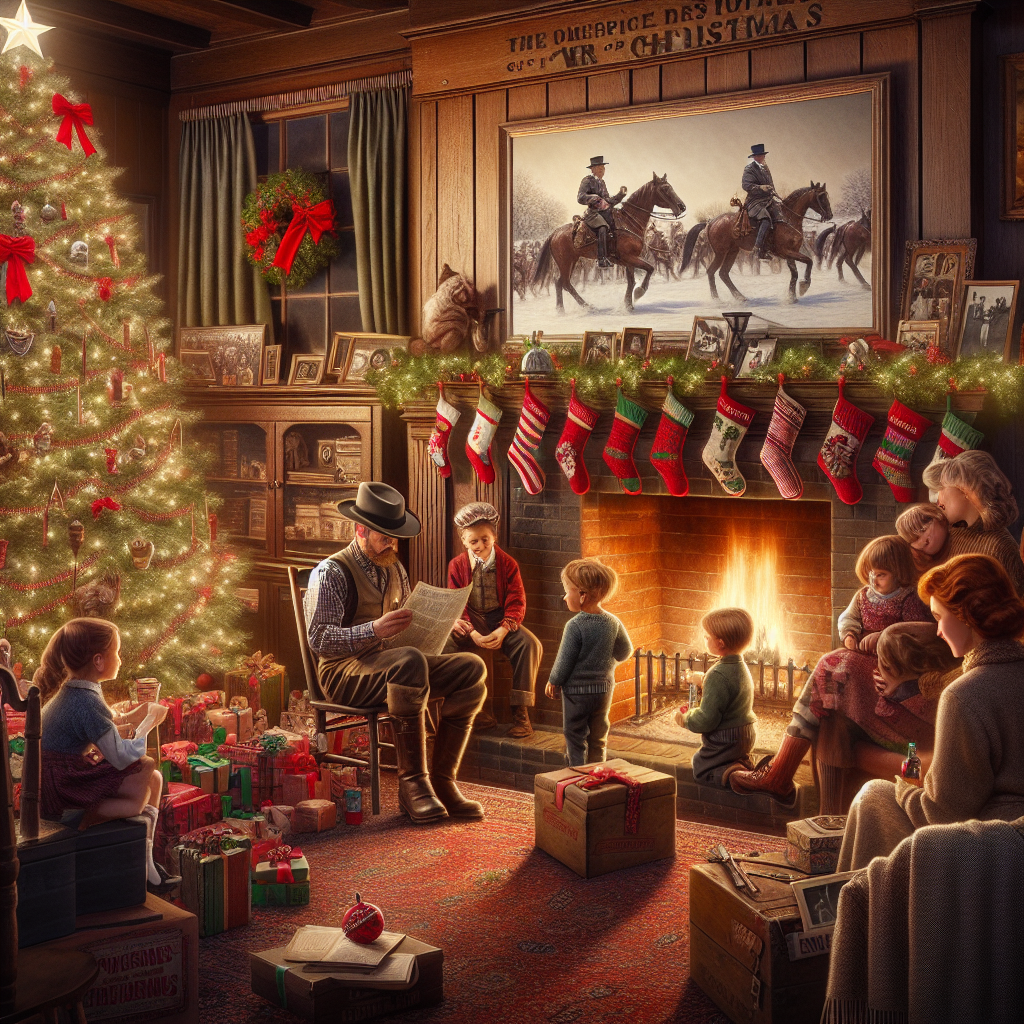

The War on Christmas: Why Tradition Matters
Every December, the battle lines are drawn in the war on Christmas, a cultural clash that pits traditionalists against those who want to strip the holiday of its true meaning. This annual skirmish takes place across the United States, as the festive season approaches and the age-old question arises: should we say "Merry Christmas" or the more generic "Happy Holidays"? The answer, of course, is clear to anyone who values tradition and the cultural heritage of this great nation. Christmas is a time-honored celebration of the birth of Jesus Christ, and it deserves to be recognized as such.
First and foremost, Christmas is a Christian holiday. It commemorates the birth of Jesus, a figure central to the faith of millions of Americans. Yet, every year, there are those who attempt to dilute its significance by pushing for a more secular, inclusive approach. They argue that saying "Merry Christmas" is exclusionary, but this is simply not the case. Acknowledging the religious roots of Christmas does not exclude anyone; rather, it honors the historical and cultural significance of the holiday.
The push for political correctness has led to absurd situations where Christmas trees are renamed "holiday trees" and nativity scenes are banned from public spaces. This is not about inclusivity; it's about erasing a part of our cultural identity. Christmas is a part of American history, and it should be celebrated as such. The attempt to sanitize the holiday season by removing any reference to its religious origins is an affront to those who cherish their faith and traditions.
Moreover, the commercialization of Christmas has already done enough damage to the holiday's true meaning. The focus on gift-giving and consumerism has overshadowed the spiritual and communal aspects of Christmas. Instead of coming together to celebrate the birth of Christ, people are more concerned with Black Friday deals and the latest gadgets. By insisting on a politically correct version of Christmas, we risk losing sight of what truly matters during this special time of year.
It's also worth noting that Christmas is not just a religious holiday; it's a cultural one as well. For centuries, people have gathered with family and friends to celebrate the season, regardless of their religious beliefs. The traditions associated with Christmas, from decorating trees to singing carols, are an integral part of our shared cultural heritage. By attempting to strip Christmas of its religious elements, we are also erasing these cherished traditions.
The argument that saying "Merry Christmas" is offensive to non-Christians is a weak one. In a diverse society, people should be able to express their beliefs and traditions without fear of offending others. Just as we respect other cultural and religious celebrations, such as Hanukkah or Diwali, Christmas should be afforded the same respect. It's about mutual understanding and appreciation, not about watering down our traditions to appease a vocal minority.
Furthermore, the idea that Christmas should be a secular holiday is a contradiction in terms. The very name "Christmas" is derived from "Christ's Mass," a religious observance. To celebrate Christmas without acknowledging its religious roots is to ignore the essence of the holiday. It's like celebrating the Fourth of July without mentioning independence or Thanksgiving without giving thanks.
In the end, the war on Christmas is not just about a holiday; it's about preserving our cultural identity and values. It's about standing up for what we believe in and refusing to let political correctness dictate how we celebrate our traditions. Christmas is a time for joy, reflection, and togetherness, and it should be celebrated in all its traditional glory. So, this December, let's proudly say "Merry Christmas" and embrace the true spirit of the season.