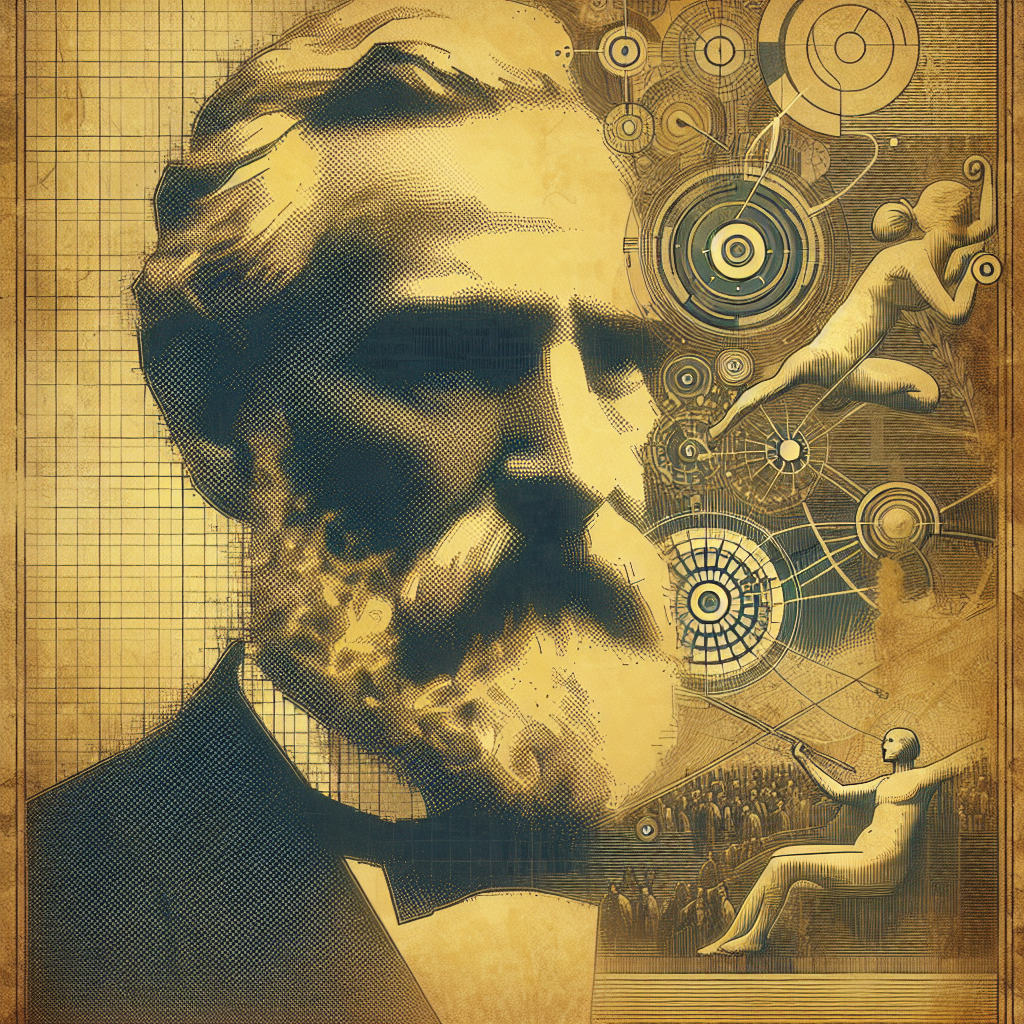

Peggy Guggenheim: The Art World's Maverick
Peggy Guggenheim was the eccentric heiress who turned the art world on its head, and she did it with a flair that would make any modern-day influencer green with envy. Born in 1898 in New York City, she was the daughter of Benjamin Guggenheim, a wealthy mining magnate. But Peggy wasn't content to simply sit on her family's fortune. Instead, she used her wealth to become one of the most influential art collectors of the 20th century, shaking up the staid art establishment and championing the avant-garde. Her journey took her from the bustling streets of New York to the bohemian quarters of Paris, and finally to the romantic canals of Venice, where she established her legendary art collection.
Peggy's life was a whirlwind of scandal, art, and rebellion. She was a woman who defied societal norms, and she did it with unapologetic gusto. In the 1930s, while the world was on the brink of war, Peggy was busy collecting works from artists who would later become household names. She had an uncanny ability to spot talent before anyone else, snapping up pieces from the likes of Jackson Pollock, Max Ernst, and Salvador Dalí. Her collection was a who's who of modern art, and she wasn't afraid to flaunt it.
In 1942, Peggy opened her first gallery, Art of This Century, in New York City. It was a radical space that broke all the rules, featuring innovative exhibitions that challenged the status quo. The gallery became a hub for the burgeoning Abstract Expressionist movement, and Peggy was at the center of it all, a patron saint for artists who were often dismissed by the mainstream. Her support helped launch the careers of many artists who are now considered giants in the art world.
But Peggy's influence wasn't limited to the art scene. She was a trailblazer in her personal life as well, living on her own terms and refusing to be defined by the conventions of her time. She had a string of high-profile relationships, including a marriage to the surrealist artist Max Ernst, and she was known for her bohemian lifestyle. Peggy was a woman who knew what she wanted, and she wasn't afraid to go after it, even if it meant ruffling a few feathers along the way.
In 1949, Peggy moved to Venice, where she purchased the Palazzo Venier dei Leoni on the Grand Canal. It was here that she established the Peggy Guggenheim Collection, one of the most important museums of modern art in the world. The collection is a testament to her vision and her unwavering commitment to the artists she believed in. Today, it continues to attract art lovers from around the globe, a lasting legacy of a woman who dared to be different.
Peggy Guggenheim was a force of nature, a woman who refused to be boxed in by the expectations of her time. She was a champion of the avant-garde, a patron of the arts, and a rebel with a cause. Her life was a testament to the power of individuality and the impact one person can have on the world. In an era where conformity was the norm, Peggy stood out as a beacon of creativity and independence. Her story is a reminder that sometimes, it takes a little bit of madness to change the world.