
The Mythical City of Paititi: A Conservative Perspective on the Liberal Obsession
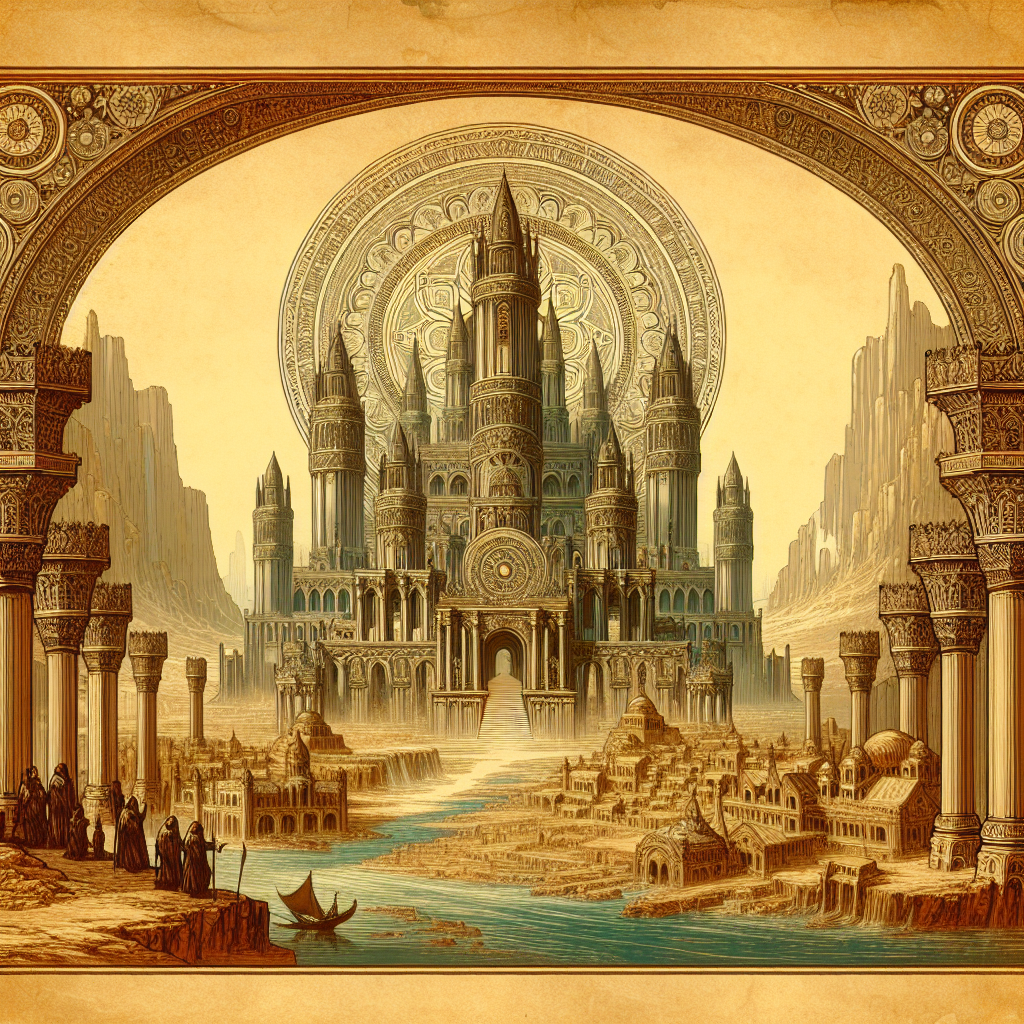
Imagine a city of gold hidden deep within the Amazon rainforest, a place so rich and opulent that it could make even the wealthiest of nations envious. This is Paititi, the legendary city that has captured the imaginations of explorers and treasure hunters for centuries. The story of Paititi dates back to the 16th century when Spanish conquistadors, driven by greed and the promise of untold riches, scoured the jungles of South America in search of this elusive city. Located somewhere in the dense forests of Peru, Bolivia, or Brazil, Paititi has become a symbol of the ultimate treasure hunt, a quest that has led many to their doom. But why, in the 21st century, are we still obsessed with this mythical city?
First, let's address the elephant in the room: the liberal fascination with Paititi. It's no secret that the left loves a good fantasy, and Paititi fits the bill perfectly. It's a utopian dream, a place where wealth is abundant and everyone lives in harmony with nature. This obsession with a mythical city reflects a broader liberal tendency to romanticize the past and ignore the harsh realities of the present. Instead of focusing on real-world issues like economic growth and national security, they prefer to chase after fairy tales and pipe dreams.
Second, the search for Paititi is a classic example of misplaced priorities. While explorers and adventurers have risked life and limb to find this city, the real treasures of the Amazon remain largely ignored. The rainforest is home to countless species of plants and animals, many of which hold the key to medical breakthroughs and scientific discoveries. Yet, instead of investing in research and conservation efforts, we waste time and resources on a wild goose chase for a city that may not even exist.
Third, the legend of Paititi is a cautionary tale about the dangers of greed and ambition. The conquistadors who first sought the city were driven by a lust for gold and power, and their quest ultimately led to the destruction of entire civilizations. Today, we see similar patterns of behavior in the corporate world, where CEOs and executives prioritize profits over people and the environment. The story of Paititi serves as a reminder that unchecked ambition can have devastating consequences.
Fourth, the myth of Paititi highlights the importance of skepticism and critical thinking. In an age where misinformation and fake news run rampant, it's crucial to question the validity of fantastical claims and legends. The allure of Paititi lies in its mystery and intrigue, but we must not let our imaginations cloud our judgment. Instead of blindly accepting tales of hidden cities and lost treasures, we should demand evidence and rational explanations.
Fifth, the continued search for Paititi underscores the human desire for adventure and discovery. While the city itself may be a myth, the spirit of exploration it inspires is very real. This drive to explore the unknown has led to some of humanity's greatest achievements, from the discovery of new lands to the exploration of outer space. However, it's essential to channel this adventurous spirit into pursuits that benefit society as a whole, rather than chasing after fantasies.
Sixth, the legend of Paititi serves as a reminder of the rich cultural heritage of South America. The indigenous peoples of the region have a long and storied history, filled with achievements and innovations that rival those of any other civilization. By focusing on the myth of Paititi, we risk overshadowing the real accomplishments of these cultures and perpetuating stereotypes of primitive societies.
Seventh, the search for Paititi is a testament to the power of storytelling. The legend has endured for centuries, captivating the imaginations of countless individuals and inspiring countless books, movies, and documentaries. This speaks to the enduring appeal of a good story and the human need for narrative and meaning.
Eighth, the myth of Paititi raises questions about the nature of wealth and value. In a world where money and material possessions often define success, the idea of a city made entirely of gold is both alluring and troubling. It forces us to confront our own values and consider what truly matters in life.
Ninth, the legend of Paititi is a reflection of the human condition. It embodies our hopes, dreams, and fears, as well as our capacity for both greatness and folly. The search for Paititi is a metaphor for the eternal quest for meaning and purpose, a journey that each of us must undertake in our own way.
Finally, the story of Paititi is a reminder that some mysteries are best left unsolved. While the allure of a hidden city of gold is undeniable, the true treasures of the world are often found in the journey itself, in the lessons we learn and the experiences we gain along the way. So, while the search for Paititi may continue, perhaps it's time to focus on the real-world challenges that demand our attention and energy.