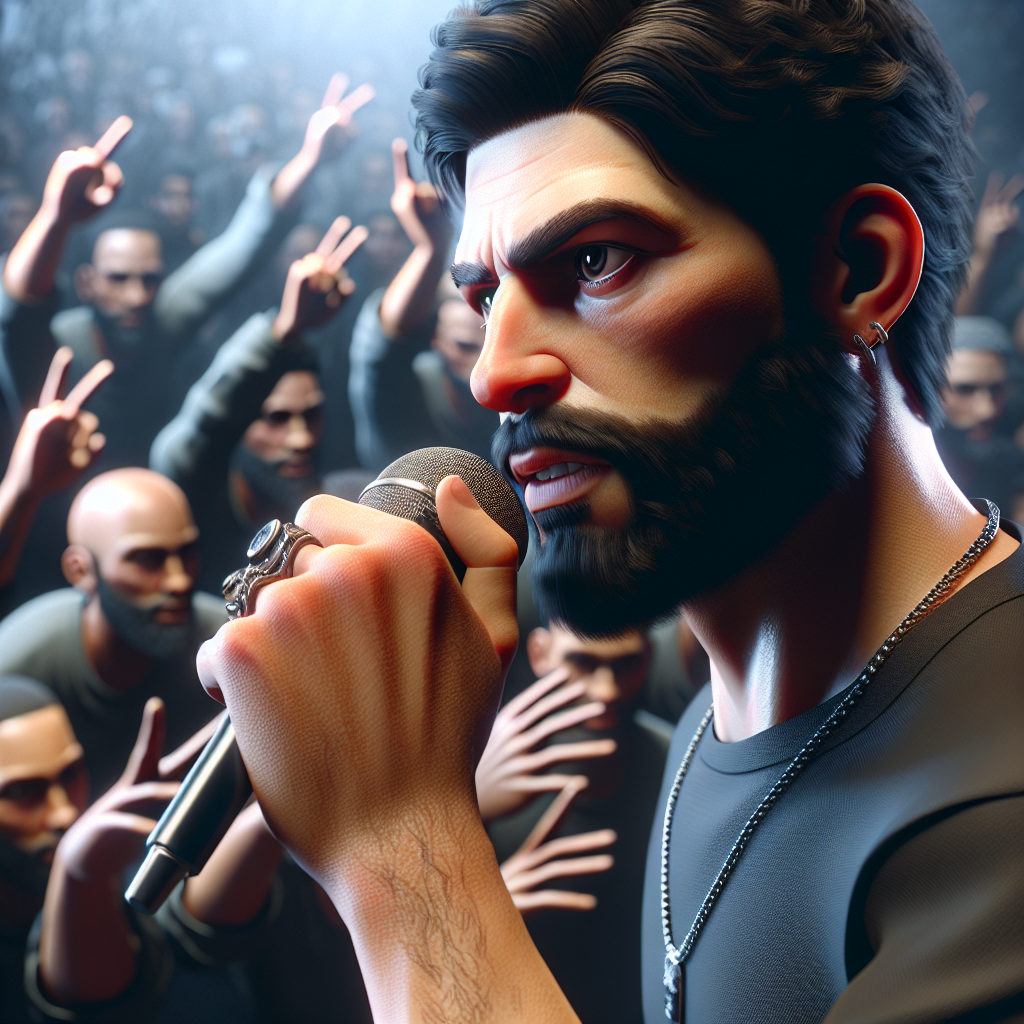

Pablo Hasél, a man whose name might sound like it belongs to a dreamy Spanish poet, is actually making headlines for much less romantic reasons. He's a Spanish rapper known for his controversial lyrics, and he has managed to land himself in quite a bit of hot water. Born in Spain, he rose to notoriety not for his catchy hooks but for his vehement criticism of the monarchy, the police, and the state. His arrest in 2021 became a sensational story with his detention sparking protests across Spain. While some argue that he's defending free speech, others recognize a deeper problem—Hasél's inflammatory and sometimes violent rhetoric extends far beyond artistic expression.
Pablo Hasél started his career like any other aspiring artist, but his ambition to vocalize his extreme political views quickly overshadowed his musical talents. In February 2021, his arrest followed years of legal battles due to his incendiary statements. He was convicted of glorifying terrorism and slandering the crown for his lyrics and tweets. It's an outcome that stirred the pot in Spain, igniting debates over free speech and state repression.
Now, here's where things get spicy. Hasél is no mere popcorn political commentator. He's more like the firebrand cousin everyone loves to disagree with. His support for defunct terrorist organizations and aggressive rhetoric create a ripe breeding ground for discourse. However, Hasél isn't just blabbering at family gatherings; he's broadcasting these thoughts to the public—a move that arguably transforms his private musings into public security threats.
Let's face it, rap often toes the line between social commentary and explicit content, but Hasél danced right over it, jumped, and even did somersaults. His 2018 conviction for glorifying terrorism wasn't just based on some misunderstood modern art piece; it was founded on evidence that showed he's been less of a social critic and more of a provocateur, seemingly reveling in his troublemaking.
Despite being a musician, his political agenda screams louder than his music. Hasél has often claimed that his charges are attacks against free speech. But let's be real—there's a fine line between free speech and direct threats or glorification of violence. In democratic societies, it's indeed crucial to protect free expression, but that doesn't equate to giving a free pass to expressions that clearly disrupt peace and harmony.
Remember, praise for violence and vitriolic rhetoric don't exactly invite a parade; they instigate division and sow discord. Hasél's audacity to paint the Spanish monarchy with slanderous broad strokes, and his enthusiastic cheerleading for actions that endanger lives, has rightfully made the state's antennas perk up. No country, no matter how liberal, can afford to ignore openly hostile propaganda aimed at its very foundations.
Hasél’s saga isn’t just a limelight moment for him; it represents a larger discourse on how societies should balance free speech against security. He represents the flashy front runner in a movement that tragically glamorizes rebellion without cause or courteous reflection. One might say he is the poster child of political dissent; however, the consequences of his words are a bit too real to be caricatured.
And before anyone waves the banner of censorship, let’s consider the responsibility that accompanies freedom. Words have power—a truth as ancient as civilization itself. With great power, however, comes great responsibility. Inclining towards violence and encouraging unrest within a society already battling divisions is not responsible citizenry, nor is it artistic revolution. Hasél's situation serves as a cautionary tale of what happens when art crosses the line.
Supporters have taken up their torches and pitchforks, fashioning themselves as freedom fighters defending Hasél's right to express. Yet, they must recognize that unfettered expression isn't a license for driving coalition wedges nor sparking unrest. It’s about finding a voice not through defamation and discord but through impactful, meaningful, and informed dialogue.
Make no mistake, criticizing sovereign institutions isn’t inherently wrong; the Spanish public square allows for dissent. It's essential for progress. But there remains an art (pun intended) to criticism that seeks reform, not chaos. Art, ideally, is the reflection of society's hopes, criticisms, and humor—not a shout into the void, aimlessly seeking an echo.
So, as the world looks on to see the next twists in Pablo Hasél's journey, the narrative is clear to some of us. It’s less about messages, more about the method. He has proven more adept at drawing attention to himself than executing a masterstroke political point. And his story serves as a reminder: speak, sing, or rap freely, but remember the stakes are higher than a diss track.