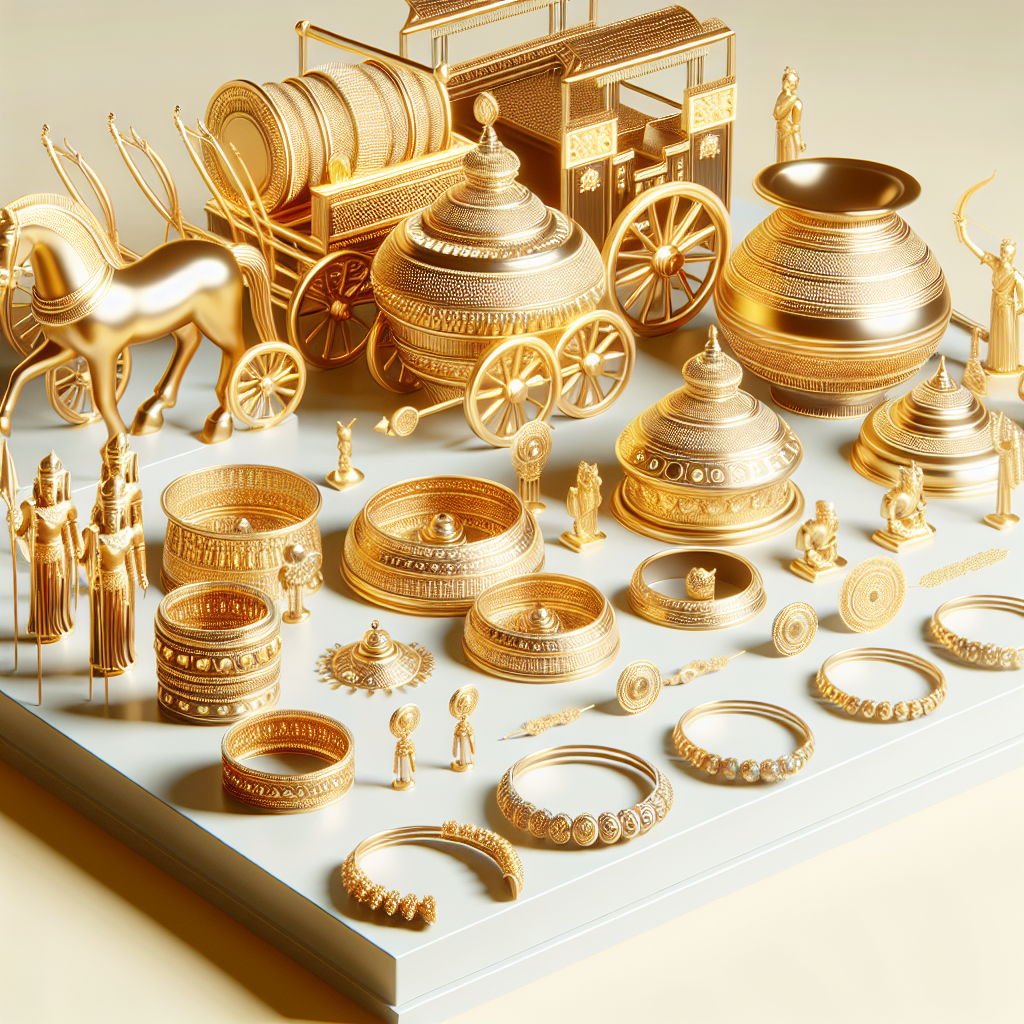

If you think modern decadence is something new, you haven’t met the Oxus Treasure. Picture this: a treasure trove consisting of over 180 items of Persian artistry that finally took a bow in 1877. Buried in the heart of Central Asia, along the banks of the Oxus River, these pieces date back to 5th-4th century BCE, yet they remain a subject of modern scholarly obsession. The treasure is safely housed mostly in the British Museum today, making the UK — one of the few nations that still champions traditions over so-called 'progressive' chaos — the real winner here.
First, let's look at who these artifacts represent. The Achaemenid Empire, thriving until the arrival of Alexander the Great, was something to behold and envy. A bureaucratic powerhouse long before modern-day liberals dreamed of big government, the Achaemenids constructed an empire seamlessly linking people through a shared currency, roads, and law — a testament to ordered freedom, not chaotic license.
Now, about what makes this treasure captivating. The Oxus Treasure includes finely crafted gold, silver artifacts, and ivory carvings, all vestiges of Achaemenid rule, decrying opulence that no iPhone or Tesla can hope to rival. Listen closely, for these objects reflect an empire that valued skill and beauty over mass production—a clear jab at today’s societies driven by instant gratification.
The 19th-century story of when the treasure re-emerged offers a stark reminder that history sometimes pulls back the curtain to reveal ideological truths. These items were unearthed at a time when European powers hadn't yet wholly sold themselves to the delusion that every culture is on contentedly equal footing.
And why you ask, is this treasure so crucial? Many might argue it offers archaeological insights into the Achaemenid Empire, but more importantly, it underscores how traditional societies maintained grandeur without imploding into an anarchy of 'anything goes'. It's as if our ancient forebears fully understood ideology and aesthetics more precisely than today’s casual acceptance of banal mediocrity.
Now, marvel not just at the where, but where it integrates into the larger story: These archaeological beauties were initially found in what are now the trouble-ridden lands straddling Afghanistan and Tajikistan, terrains dismissed by the modern world as mere conflict zones or worse, experimental laboratories for Western political theories gone awry.
But, let’s embrace more substantial insights treasured in these ancient pieces. Unlike today’s focus on virtual currency and blockchain, these tangible artifacts suggest the enduring value of something real, something you can hold, something that connects you to a shared human experience forged with sweat, intellect, and imagination.
The jar, the bracelets, and the vessels, each have profound importance. The possessions remind us of a world once ruled by visionaries who realized sovereignty comes not by surrendering identity but by elevating it to an art form. Each piece is a defiance against the thought of erasing history and obliterating identity.
Persian art is not just about ornaments. These pieces are a loud and perspective-driven manifestation of intellect — unabashed in their splendor, unwavering in their guarded heritage. Imagine what they would say if presented in today's forums staffed with self-loathing 'thought leaders'? They might remind us that history is real, identity matters, and beauty should not be negotiated to fit the smallest common denominator.
Be astounded at the conservative brilliance portrayed through the functionality and execution of these artifacts. They were crafted by artisans who respected their craft, reflecting a time when the societal values and the aesthetic senses were closely intertwined.
The Oxus Treasure doesn't just throw a nostalgic glance at the past. Oh no, it demands our focus to rethink our present. Here, where modern society prides itself on tearing itself asunder and defying its roots, the Oxus artifacts stand firmly as a glowing standard adorned with the reflection of its formidable past glory.
For those demanding authenticity above everything else, the Oxus Treasure presents a singular chance to grasp what it means to belong to something bigger and older than the latest political trend. Unlike today’s fleeting identities, constantly reinvented to cater to ephemeral trends, the Oxus speaks of ancestry and heritage, preserved with stubborn pride.
And for the simple, profound reason that not everything in human history needs to be whitewashed for a squeaky-clean societal approval, the Oxus remains and shall remain an awe-inspiring reminder of conservative art, culture, and ideology, ready to jump out of its gilded age with brazen brilliance beyond its era.