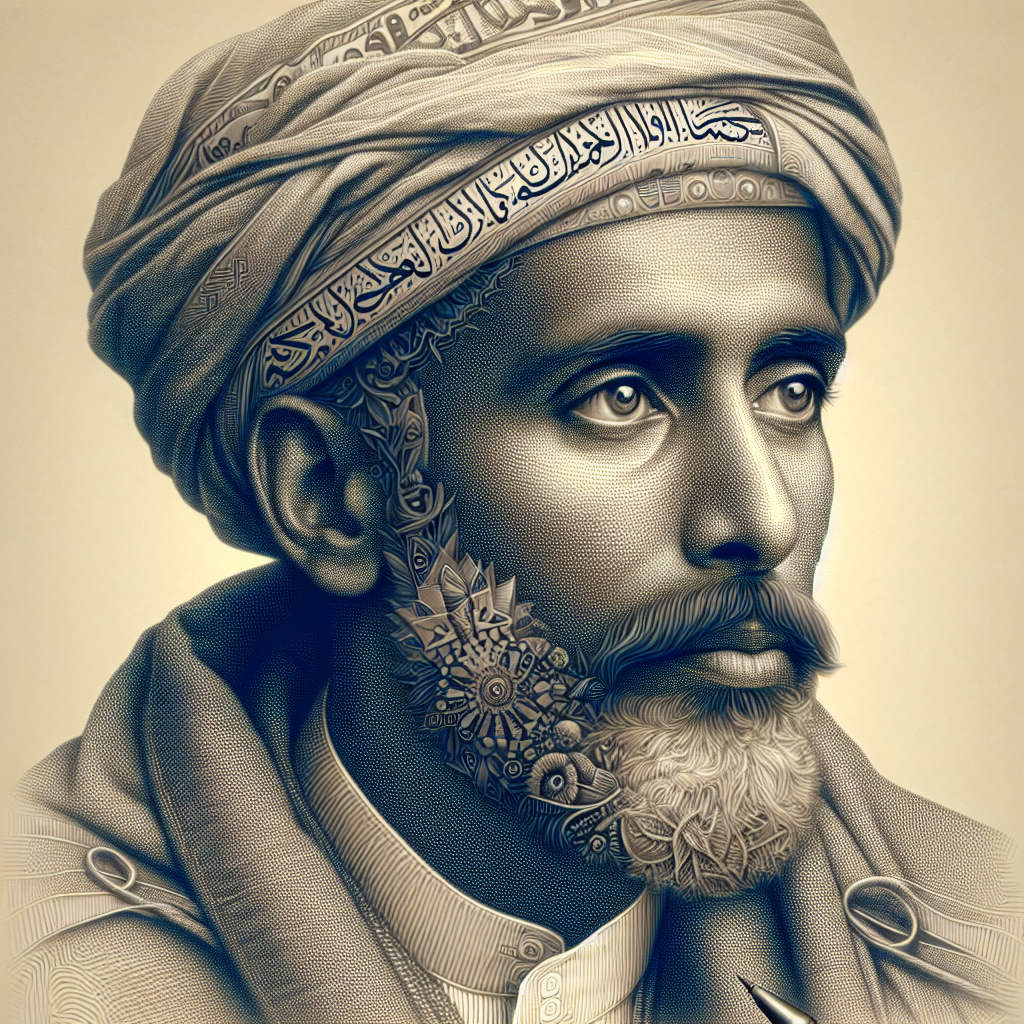

Osman Yusuf Kenadid was not your average quiet intellectual; he was a veritable storm on the Somali horizon. This politically charged figure, born in 1889 in the ancient city of Hobyo, dared to challenge the colonial and cultural status quo by introducing the Osmanya script. It wasn't merely an attempt to create an alphabet, but a defiant cultural and national statement against the Italians and British colonial powers lurking around like vultures. This maverick worked tirelessly in the early 20th century to create something that would not only revitalize Somali culture but would also shake its occupying powers to their boots. So, why did Kenadid’s brave move to go toe-to-toe with cultural ghosts scare the comfortable ranks of the left? Because he dared to use tradition to kindle a new flame of self-identity and autonomy for his people.
First off, let's emphasize that Osmanya wasn't some whimsical experiment. Kenadid's endeavor was a calculated and daring act to modernize Somali script. Before Osmanya, Somalis primarily used Arabic script for writing – which fit religious purposes but not the nuances of their language. Kenadid saw this gap and aimed to fill it, not by adapting to a colonial language like English or Italian, but by forging a contemporary script attuned to Somali phonetics. This endeavor perfectly exemplifies the conservative mantra: preserve the tradition while molding it to suit current needs. He was harnessing heritage, not erasing it, which is often the knee-jerk reaction among some to anything 'old' or 'traditional'.
Now, how did a man without formal education in linguistics succeed in this audacious mission? Well, it's called intellect, passion, and a sense of responsibility to one's culture—something that no academic paper or liberal think tank can calculate or imitate. When you’re driven by duty to your culture, you don’t need to flaunt degrees like a peacock. Kenadid showcased pure, raw genius by designing a script that naturally captured the unique sounds of Somali, proving that sometimes grassroots innovation trumps ivory tower academia.
While liberals might shiver at the thought, Kenadid's Osmanya wasn't just about words on paper—it was a conservative revival in the face of modernity's bulldozing culture. Imagine trying to snap the chains of colonial shackles keeping Somali culture at a standstill, while simultaneously refusing to wear the chains of Western linguistic capitalism. That's Kenadid’s legacy - a bold decision to stand up for sovereignty. The script he championed became a thriving emblem among the Somali Youth League in the 1940s who sought independence from colonial rule. Here was a tool for the future that was deeply rooted in historical integrity - a move that champions of the status quo can't begin to fathom.
The world at that time wasn’t prepared for Kenadid’s stubbornness, let alone his heart for transformation. His script wasn’t officially adopted until decades later, in a much different political climate. That speaks volumes about the struggle against bureaucratic vision-blurring and the need for a little rebellion to genuinely progress. But let’s not kid ourselves - cultural independence can hurt egos who prefer wiping slates clean rather than polishing a cherished old one.
Throughout his life, Kenadid tirelessly fought for the recognition of Osmanya, continually promoting it through publications and educational exchanges. His endeavor brilliantly underscores that not every cultural renovation must play turncoat just to appease a globalized worldview. He wasn’t about tearing down what existed but about putting Somali culture on equal footing on the world stage.
Conservatism isn’t afraid of engaging with the past. It recognizes that knowledge and traditions have weathered time for a reason. In Osman Yusuf Kenadid's case, that meant taking the road less traveled but undoubtedly prouder. The end result was a script fostering unity and identity amidst chaos. Today, Kenadid stands as a testament to what audacious loyalty to one's own culture can achieve—not by obliterating tradition but by reinforcing it with the mettle of freedom and dignity. Recognizing heroes like Kenadid is crucial not only for preserving history but also for exemplifying how change doesn’t require the destruction of the past, but quite the contrary, utilizing it as a stepping stone to a more sovereign tomorrow.