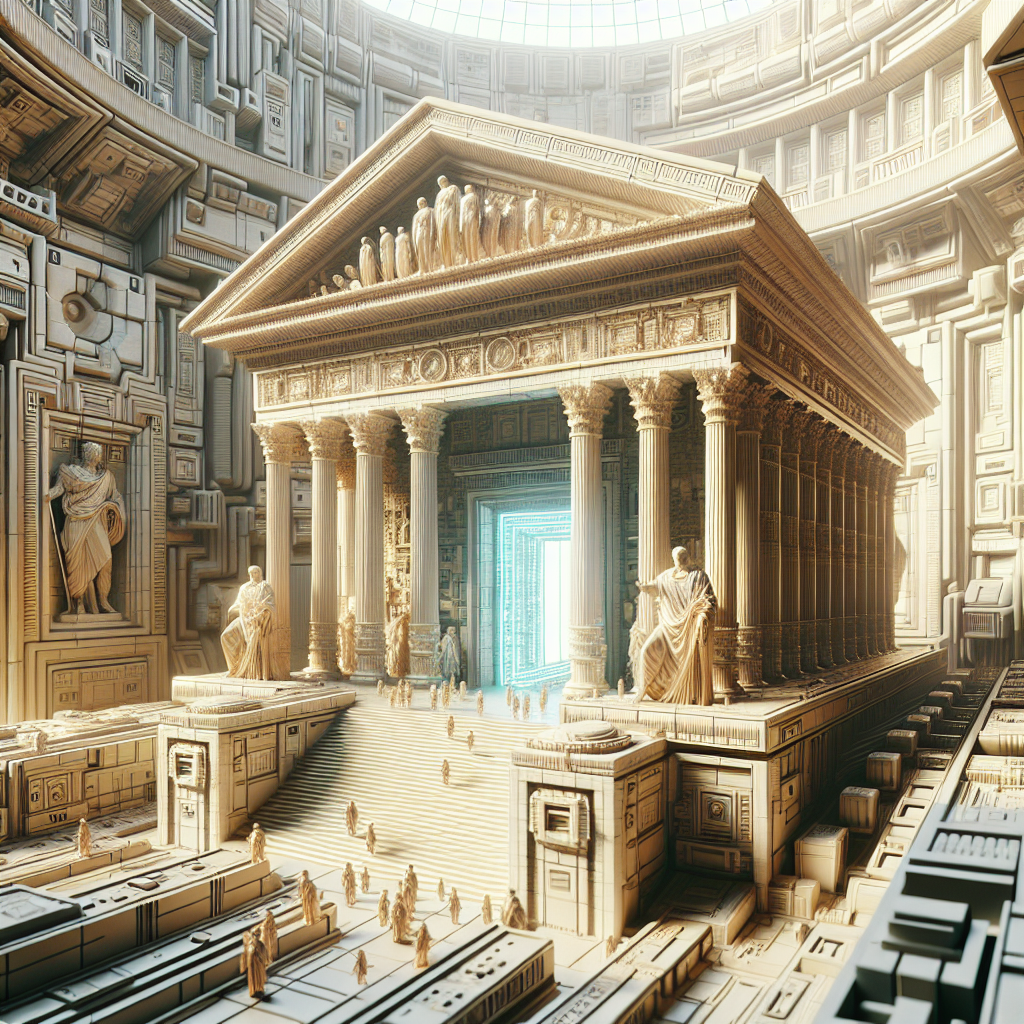

At the heart of Athens, nested in the legendary Agora, the Odeon of Agrippa stands as an iconic testament to the architectural majesty of the past. This ancient concert hall, constructed by Marcus Vipsanius Agrippa, Roman statesman and son-in-law to the first Roman Emperor, Augustus, isn't just stone and pillar—it's a symbol of cultural ambition. Built around 15 BC to host musical and dramatic performances, the Odeon was Athens' bid to entertain the masses with grace, drawing a noble line between sheer entertainment and intellectual enlightenment that some modern-day venues could learn from.
Why do we bother with the Odeon? Because it's not just about stone structures; it's a cultural archaeology of what made our societies, mainly Western, thrive for centuries. A stage built in Ancient Roman architecture, it could seat over a thousand spectators—a giant colosseum for the arts, if you will. Try comparing that to your average pop concert today, where the art of pure expression is often drowned out by pyrotechnics and auto-tuned vocals. Agrippa's Odeon is a call back to when the mighty Roman Empire ruled not just the barbarous corners of the earth but the hearts of its people as well.
Imagine being there. You sit among a thousand others, a cultural epicenter of the ancient world, watching a rendition of Aristophanes or listening to a Pindar ode. Now picture the work it took. Built atop a hill among the bustling markets of the Agora, the stage itself had to withstand earthquakes, fires, and more—yet it persists, delivering performances for two centuries, only hindered by a collapse due to poor structural planning. Today, though it stands in ruin, the ripped-out seats tell tales of forums and dialogues, layers of long-whispered burs into the soul of Athens. Much unlike the silence that often accompanies today's politically correct sanitization of our history.
Speaking of history, let's not ignore the power play and who benefited from these monumental endeavors. Underneath the admiration, you can discern a deft manipulation of culture and space to bolster one's image. Augustus and Agrippa were cultivating the perfect blend of utilitarian wonder. Their world was about order and beauty, respect and dignity—a far cry from an era of tearing down monuments for no coherent reason other than they might remind someone of something they'd rather avoid confronting.
The Odeon's falling apart is a story unto itself. After surviving 200 years of harsh existence, the structure came crashing down around AD 150. The collapse was as symbolic as it was literal; emerging from the fragile scaffolds of political change, the decline underscored the significant alterations within the strategies of power play in an evolving world order. But, of course, even in ruin, it beckoned transformation. Not one to be outdone by nature's fury, the Greeks used its remains for a gymnasium, the relics of an opus transformed into a physical sanctuary in the ambitious spirit of Greek endurance.
The site today may not host a thousand hushed whispers before an epic tale unfolds, but it remains a museum of layered history demanding acknowledgment. If you aren't sold on the importance, just consider this: when new visions are brought back to life, ready to strike a communal chord, their echoes are invariably linked to the arenas where voices once gathered to speak truths—or at least their perception of truth. The Odeon, despite our attempts to overlook its lessons, shapes how spaces for art, conversation, and sometimes protest are designed to this day.
And while many argue about what ruins mean for modern-day politics or ideology, there's something endlessly fascinating about these ancient makeshifts that nothing can overshadow. They're remnants of a time when culture came with the weight of truth and aesthetics, creating public spaces not just for noise, but for the triumph of human imagination. The Odeon of Agrippa is a prime example of classical persistence that stands steadfast against tides of change, real or imagined.
The study of such relics urges us to consider: are we constructively building upon the past, or are we victims of cyclical demolishment under the guise of progress? So, take a moment. Consider the halls of the Odeon that once sang tales of heroism, art, and pursuit of knowledge. Perhaps that's an idea to hard to stomach in today's context of reducing everything to endless spectacle. But as reminiscent shadows of the Odeon teach—echoes of history often carry wisdom louder than our biased conversations. Embrace or refute its resonance, but never let it dissipate unseen, unheard.