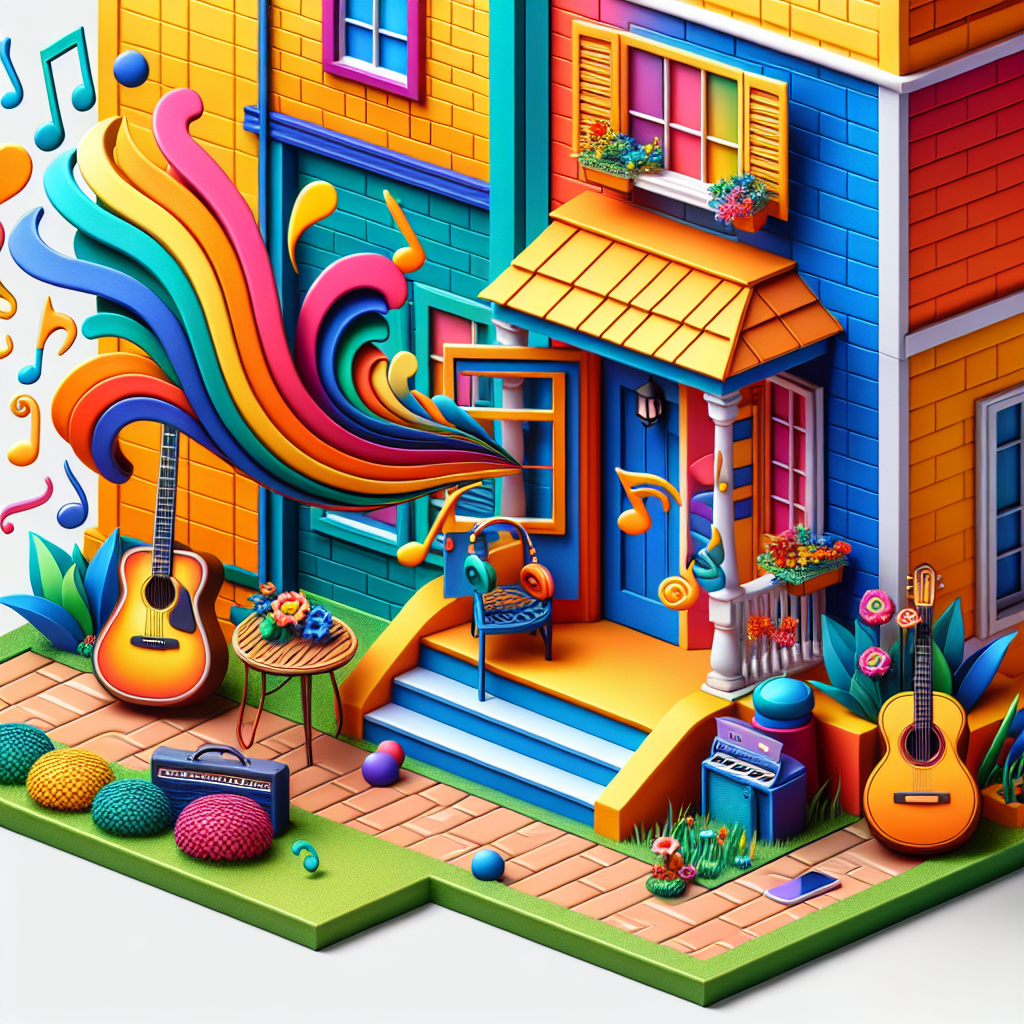

In every nook and cranny of America where the star-spangled banner waves proudly, neighborhood music serves as a harmonious backdrop to our everyday lives. From local garage bands to community choirs, these musical expressions thrive in the very locales that form the backbone of our nation. It's often in the nondescript suburbs and charming small towns where musical creativity blossoms, filling streets with melodies that are as American as apple pie and just as essential to our cultural fabric. Because truly, what more quintessentially embodies our cherished rights to freedom and expression than a spontaneous jazz ensemble lighting up the local square?
Why does neighborhood music matter? For starters, music at the community level fosters a sense of unity and belonging. It breaks down barriers, allowing people from different walks of life to connect on a harmonious wavelength, often making you wonder if we really needed those endless dialogues about diversity and inclusion in the first place. A local band playing at the Saturday market does more to bring people together than any corporate diversity training ever could. And let's not overlook how supporting neighborhood music helps local economies. Attend a neighbor's garage concert or buy a ticket to a local choir performance, and you're participating in a grassroots movement that keeps the cultural wheels turning and the local economy alive.
Another point worth noting is that neighborhood music is a breeding ground for raw talent. Before musicians hit the big stage, many start strumming their guitars in cramped basements or belting out tunes at the local high school auditorium. Names like Bruce Springsteen or Johnny Cash might ring a bell. They've graced global stages, but guess where they first fine-tuned their craft? Right in their communities where support was unyielding and genuine. Neighborhood music provides real, honest critiques; it doesn’t gloss over imperfections but nurtures potential. Each aspiring artist is the American Dream personified, driven not by glossy commercial machines but by the real, industrial grit deeply ingrained in our national psyche.
Let’s not forget how neighborhood music reflects our cultural and historical identity. An eclectic mix of genres like bluegrass, jazz, folk, rock, and blues are testimony to our nation’s melting pot character. Walking down a street flanked by colonial-era cafes and hearing a banjo's twang or a saxophone's sultry sound ties us back to our roots. Unlike polished music factory outputs, these are the genuine beats and sounds that narrate our shared heritage without any of the political grandstanding.
Speaking of politics, isn’t it fascinating that the same neighborhood soundscapes liberals deem too “chaotic” or “unrefined” are the ones with the authentic pulse of America? While they scurry to cultivated echo chambers, ordinary folks are out there, immersed in the loud, boisterous heartbeat of a country unashamed of its core chords and choruses. What a breath of fresh air it is to see our neighbors gathering, tapping their feet to melodies that sing praises not to division but to solidarity.
But what truly sets neighborhood music apart is its relatability. There’s comfort in knowing the musicians up on that makeshift stage are not distant celebrities but people who shop at the same supermarket and share the same community spirit. It’s the ultimate hallmark of who we are: resilient, communal, and steadfast in our traditional values.
Lastly, while polished arenas and grand musical showcases have their place in society, nothing beats the delight of spontaneous neighborhood tunes wafting through open windows, unregulated by corporate oversight or entertainment conglomerates. These unscripted performances speak directly to the soul, bypassing sanitized mainstream filters in favor of raw authenticity.
There you have it, red-blooded American neighborhood music—uncompromising, unapologetic, and marvelous in its own right. This is music as it should be: untouched by corporate interests, thriving in its unique medley of genres, and woven into the everyday fabric of life. It's the sound of a vibrant community, echoing the hopes and dreams from porches and balconies across the land of the free. So next time you hear that local band gearing up in the park, remember—you’re not just listening to music. You’re supporting the core of America.