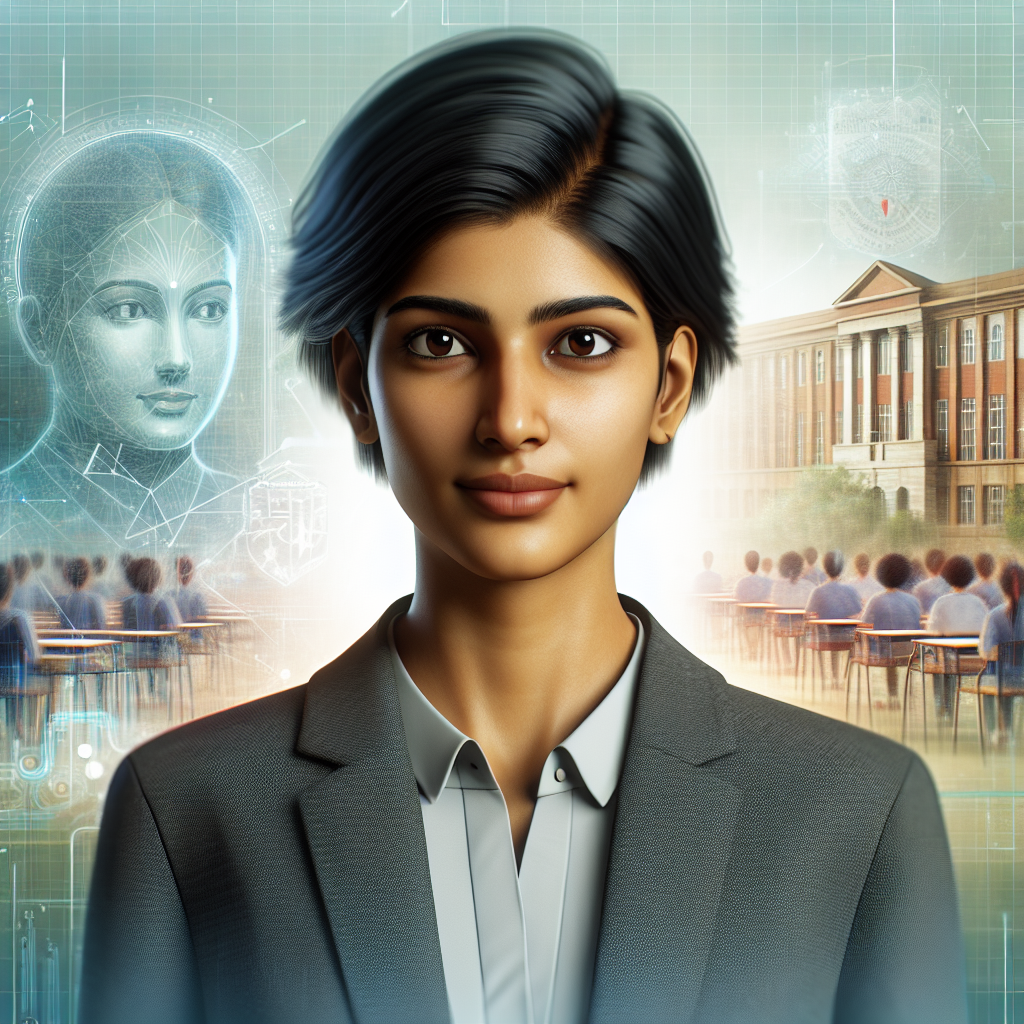

Think education is a dry old subject? Well, think again. Neeru Khosla is shaking up the dusty textbook aisles, and she's not taking "no" for an answer. Who is Neeru Khosla, you ask? She's not just the co-founder of the groundbreaking educational nonprofit, CK-12 Foundation, but she's also a crusader for more effective, accessible education. Born in India and having later settled in California, she launched the CK-12 Foundation back in 2007 with the vision to democratize education, provide open-source textbooks, and utilize technology to empower students and teachers alike.
Despite the trendy push for free-for-all educational resources, this mission doesn't sit easily with everyone. Free everything, after all, isn’t necessarily the gushing fountain of progress some would have you believe—precision and quality, not breadth and chaos, best serve the scholarly world. Yet, there's grit to her game-changing vision that conservatives can respect. Backing up passion with innovation, Khosla takes aim at an outdated system and presents a cutting-edge alternative.
Khosla has been a formidable force in creating a shift from static, traditional textbooks to dynamic, adaptable content that responds to student needs. Instead of forcing everyone into the same cookie-cutter learning experience, CK-12 Foundation leverages technology to personalize education. And let's face it, the left can clutch pearls all day, but passionate innovation in education might just be the key to placing emphasis back on individual responsibility and accountability.
Education, you see, isn't just about downloading information. It is about cultivating thinkers, innovators, and future leaders. Khosla's initiative aims to diversify how material is presented and consumed, which challenges the monopoly of traditional publishers. Her foundation allows for customization, where schools can adapt textbooks to fit their curriculums. This adaptability means schools are not shackled by one-size-fits-all solutions, a concept that many conservatives can rally behind. It’s about taking control back from a centralized, top-down educational establishment—sound familiar?
Critics might balk at her approach, citing concerns over shifting power from 'tried and true' methods. But here’s the kicker: the success of CK-12 Foundation’s open-source digital textbooks and adaptive learning platforms lies in the data. As students engage with the content, the platforms learn from their progress. It is interactive and fluid, making previously stagnant books now dynamic and responsive.
Neeru Khosla is not your typical CEO. She is a hybrid of visionary and pragmatist, wielding a bold new stab at fixing education’s glaring inefficiencies. You would think this would ignite bipartisan applause. But no. The traditional bastions of liberal ideals – academia, textbook publishers, and unions – stand ready to defend an outdated status quo.
Her battle isn't just with educational practices but with the educational politics that are as old as the hills. In her world, there is no need for endless red tape, union politics, or stale policies that prop up employees instead of students. Imagine a world where education dollars are allocated not just to sustain the machine, but to genuinely educate. Now, that's something worth pondering.
The CK-12 Foundation's success is rooted in its flexibility—a key element often overlooked in top-heavy systems. Hyper-focused on STEM (Science, Technology, Engineering, Mathematics) education, Khosla’s organization has streamlined resources and directed them to areas where it counts.
This isn't just about streamlining costs or alleviating burdens on families through free materials. It's about radically shifting how we think about education in the digital age, and who has access to it. For those who see the deluge of information the internet brings as a potential pitfall, CK-12's curated educational resources provide order amid the chaos. It advocates for structured, vetted, and valuable knowledge, ensuring students can thrive.
There's resilience and perseverance running through her veins as she blazes trails, pushing the boundaries of what educational success looks like and who gets to redefine it. It’s less fame, more grind, but all Khosla. Her work revolutionizes not just how we educate, but why. She pokes at the establishment, ruffles feathers, and it's high time we pay attention to her saga of disrupting the status quo, not just for education's sake but for the future generation’s benefit.
The tangible impact is notable as well—numerous success stories confirm that CK-12's approach resonates in classrooms worldwide. Many report an improvement in test scores, comprehension, and critical thinking skills. What’s more, it places tools directly in the hands of the educators and students themselves, unshackling them from the traditional gatekeepers and outdated curricula.
Despite polarization in perspectives, Khosla forges ahead, challenging traditionalists and revisionists alike. As the educational landscape continues to evolve, it's imperative to spotlight those unafraid to innovate and disrupt conventional trajectories. Neeru Khosla leads this pack with verve and audacity, embodying the belief that technology can propel us to unimaginable heights. Education isn't just the filling of a pail, but the lighting of a fire, and Khosla has all the matches ready.