
Ned Kelly: The Outlaw Who Became a Legend
Ned Kelly, the infamous Australian outlaw, has become a symbol of rebellion and resistance against authority. Born in 1854 in Beveridge, Victoria, Kelly's life of crime began in the rugged Australian bush during the late 19th century. His story is one of defiance, daring, and a relentless fight against what he perceived as a corrupt and oppressive system. Kelly's exploits, including bank robberies and shootouts with the police, culminated in his capture and execution in 1880. But why has this criminal become a folk hero, and what does his story say about society's fascination with outlaws?
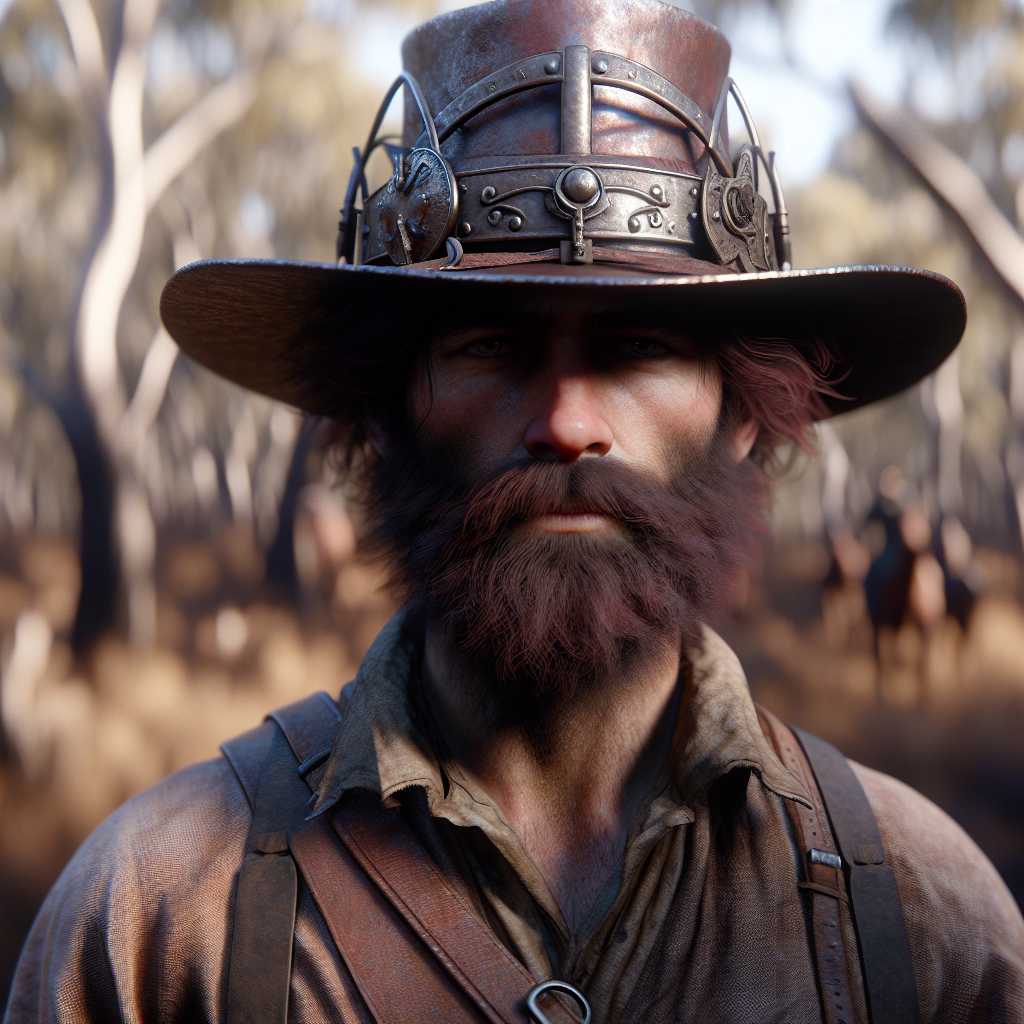
First off, let's talk about the audacity of Ned Kelly. This was a man who didn't just break the law; he shattered it with style. Kelly's most famous act of defiance was the creation of his homemade armor, a suit of iron that he wore during his final showdown with the police at Glenrowan. This wasn't just a practical move; it was a statement. Kelly was saying, "I am invincible, and I will not be brought down by your bullets." The image of Kelly in his armor has become iconic, representing the ultimate middle finger to authority.
Kelly's life of crime was fueled by a deep-seated resentment towards the British colonial authorities and the police, whom he saw as corrupt and unjust. His family, of Irish descent, faced discrimination and hardship, which only fueled Kelly's anger and sense of injustice. He wasn't just a criminal; he was a man on a mission, fighting for what he believed was right. This sense of purpose is what sets Kelly apart from other outlaws and has contributed to his enduring legacy.
Now, let's address the elephant in the room: why do people idolize a criminal? It's simple. People love a good underdog story, and Kelly fits the bill perfectly. He was a man who stood up against the establishment, a Robin Hood figure who, according to some accounts, shared his ill-gotten gains with the poor. Whether or not this is true, the narrative has stuck, and Kelly has become a symbol of resistance against tyranny.
Kelly's story also taps into a broader cultural narrative of rebellion and anti-authoritarianism. In a world where people often feel powerless against the forces that govern their lives, figures like Kelly offer a sense of empowerment. They remind us that it's possible to stand up and fight back, even if the odds are stacked against us. This is a message that resonates with many, particularly those who feel marginalized or oppressed.
Of course, not everyone sees Kelly as a hero. To some, he was nothing more than a violent criminal who deserved his fate. But the fact that his story continues to be told and celebrated speaks volumes about the human fascination with outlaws and rebels. It's a fascination that transcends time and place, and one that shows no signs of fading.
In the end, Ned Kelly's legacy is a complex one. He was a man who lived by his own rules, defied authority, and paid the ultimate price for his defiance. But in doing so, he became a legend, a symbol of resistance and rebellion that continues to captivate the imagination. Whether you see him as a hero or a villain, there's no denying that Kelly's story is one for the ages. And perhaps that's the real reason why his legend endures: because deep down, we all love a good story about sticking it to the man.