
10 Reasons Why Cassatt's "Mother and Child" is a Masterpiece Liberals Can't Handle
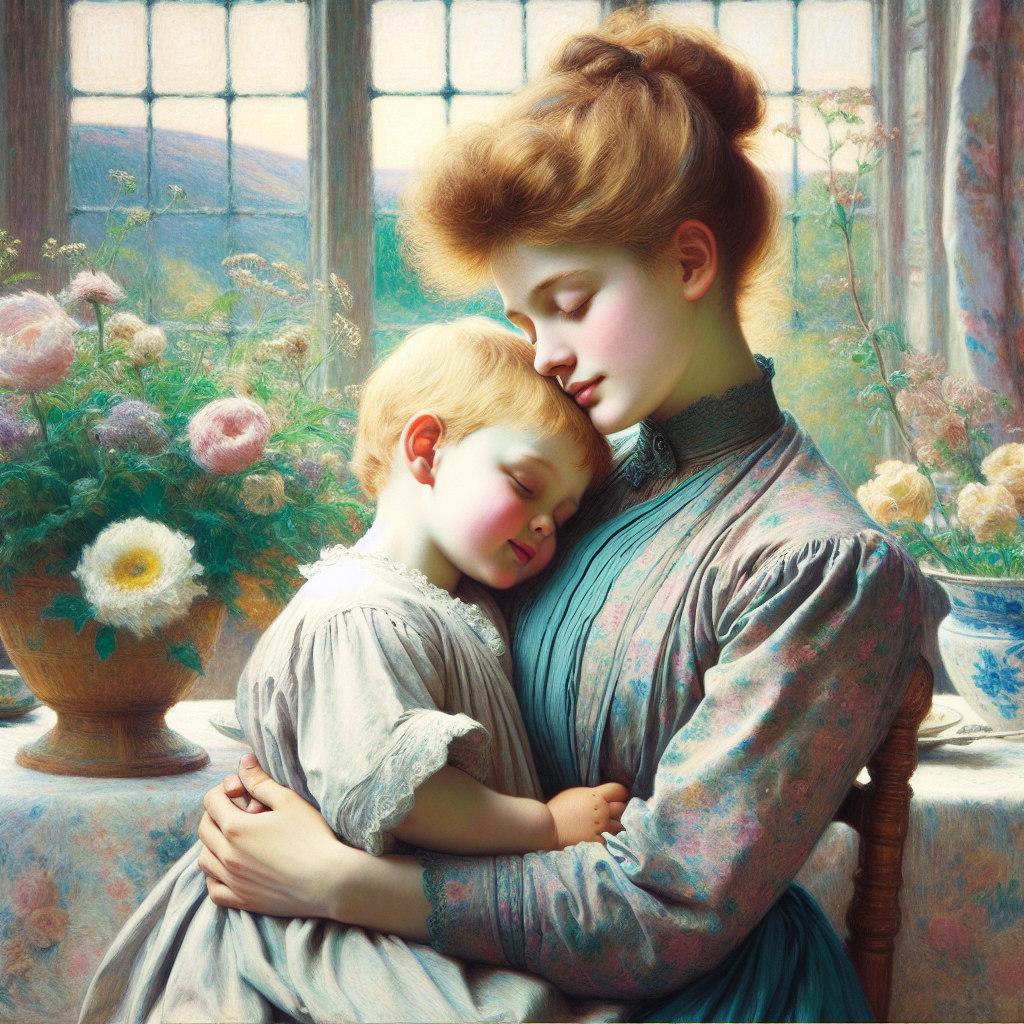
Mary Cassatt's "Mother and Child" is a stunning piece of art that was painted in the late 19th century, around 1890, in France. This masterpiece captures the intimate bond between a mother and her child, a theme that resonates with timeless values and traditional family structures. But why is it that some people, particularly those on the left, find it so hard to appreciate this work of art? Let's dive into the reasons why this painting is a masterpiece that challenges modern liberal sensibilities.
Celebration of Motherhood: In an era where traditional roles are often criticized, Cassatt's painting unapologetically celebrates motherhood. The nurturing bond depicted in the painting is a testament to the importance of family, something that seems to be increasingly undervalued in today's society.
Timeless Values: The painting embodies values that have stood the test of time—love, care, and familial bonds. These are values that transcend political ideologies, yet they seem to be at odds with the progressive agenda that often seeks to redefine family structures.
Focus on the Individual: Cassatt's work highlights the individual experience of motherhood, rather than reducing it to a mere social construct. This focus on the individual is a stark contrast to the collectivist mindset that often dominates leftist thought.
Traditional Gender Roles: The painting reinforces traditional gender roles, with the mother as the caregiver. In a world where gender roles are constantly being questioned and redefined, this portrayal is a bold statement that challenges modern narratives.
Emotional Depth: The emotional depth captured in "Mother and Child" is something that can't be easily dismissed. The genuine affection and connection between the figures are palpable, making it a powerful piece that resonates with anyone who values family.
Artistic Excellence: Cassatt's technical skill is undeniable. Her use of color, composition, and texture creates a lifelike representation that draws the viewer in. This level of artistic excellence is something that should be celebrated, not critiqued through a political lens.
Cultural Heritage: The painting is a part of our cultural heritage, representing a time when family values were at the forefront of society. It's a reminder of where we've come from and what we stand to lose if we abandon these principles.
Universal Appeal: Despite the political divide, the themes in "Mother and Child" have a universal appeal. The bond between a mother and her child is something that transcends cultural and political boundaries, making it a piece that should be appreciated by all.
Resistance to Change: The painting stands as a symbol of resistance to the rapid changes in societal norms. It serves as a reminder that some things, like the bond between a mother and her child, are worth preserving.
A Challenge to Modern Narratives: Finally, "Mother and Child" challenges the modern narratives that seek to undermine traditional family values. It's a bold statement that stands in defiance of the ever-changing political landscape, reminding us of the enduring importance of family.
Mary Cassatt's "Mother and Child" is more than just a painting; it's a celebration of values that have been cherished for generations. It's a masterpiece that challenges modern sensibilities and serves as a reminder of the importance of family, motherhood, and the individual experience. While some may find it difficult to appreciate, its significance cannot be denied.