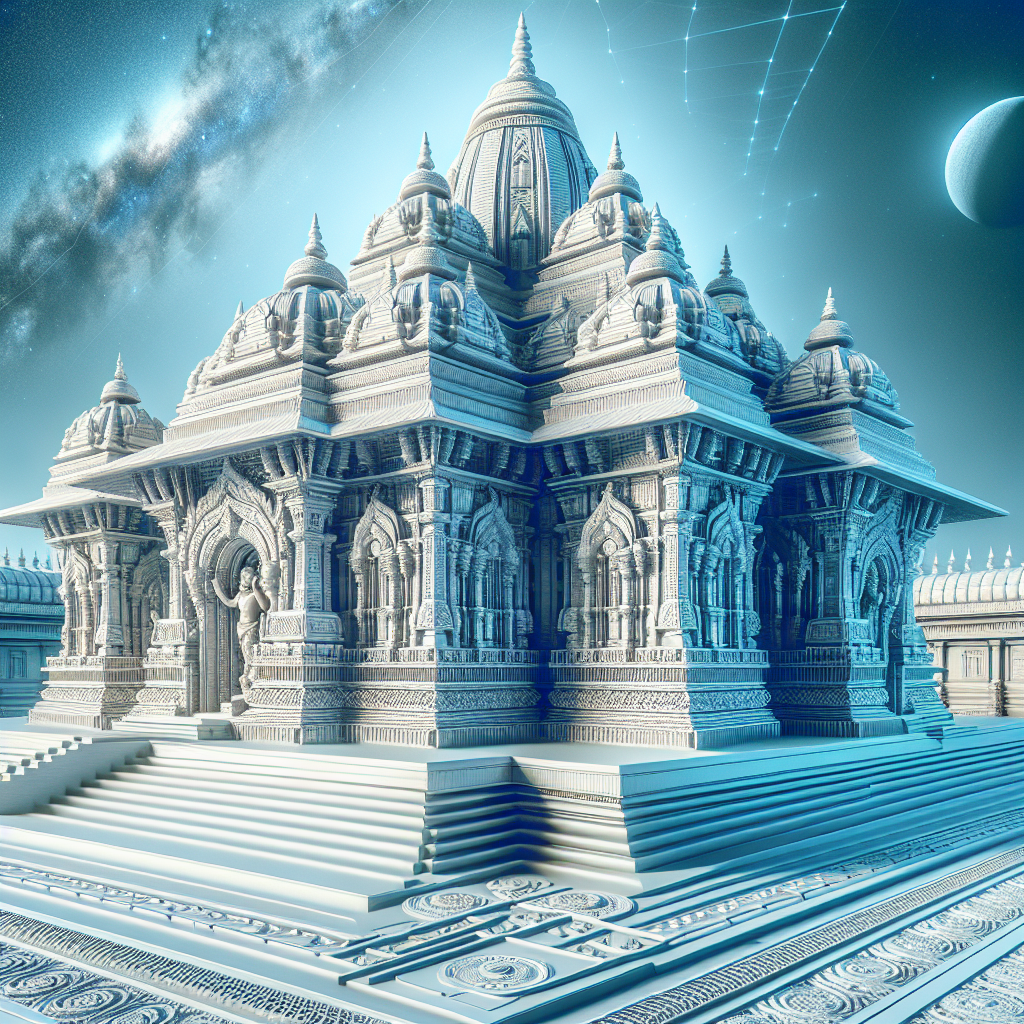

If history has a throne, then the Madan Mohan Temple in Bishnupur sits atop it, cementing its grandeur in the tapestries of India’s divine and architectural legacy. Built in 1694 by King Durjan Singh Deva, this magnificent 17th-century temple, standing tall in the ancient town of Bishnupur in West Bengal, India, is a bold declaration of devotion and craftsmanship that has zero interest in pandering to the modernist whims of contemporary architecture. This edifice is an ode to Lord Krishna (Madan Mohan), a figure who doesn’t need an introduction to those who appreciate traditional values over fleeting trends.
So, what makes the Madan Mohan Temple an unmissable marvel? First, its stunning terracotta artworks. It's as if every inch of this temple was destined to exist long before the earth turned enough clay to build it. These intricate carvings depict scenes from the Ramayana and Mahabharata, mirroring timeless stories far richer than anything you'll find in the latest streaming series. And don't get me started on its exquisite arched gateways and the fine blend of traditional Bengali architecture with influences from the Mughal era—because yes, great societies learn to blend and enhance their unique identities.
The temple is strategically perched during a period when rulers and spiritual leaders understood the geopolitical importance of culture. The 17th century was no walk in the park; the temple epitomizes fidelity to higher principles in the face of incessant change. But where some cower at the idea of permanence, places like the Madan Mohan Temple manifest it. The fact that this marvel stands strong today attests to timeless principles and an appreciation for history and spiritual discipline that those advocating 'progressive' ideals could learn from.
Walking through the temple’s towering, time-weathered structures, one feels not just a sense of history, but a palpable presence of ideals—something sadly missing in contemporary talking points. Yes, you're transported back to the Malla dynasty, which saw architectural devotion as an extension of personal piety and communal identity. Talk about building a community! Compare these stone walls to the flimsy self-serving monuments of modernity and feel the difference.
Even if architectural genius isn’t your cup of tea, the Madan Mohan Temple’s setting in Bishnupur, recognized as a UNESCO World Heritage Site, offers that oh-so-rare feeling of time travel without the science fiction. You walk on ground that will forever define India's cultural and historical trajectory; you and the past engage in a quiet yet profound conversation.
In today's global age where cultural heritage often falls victim to neglect and revisionist interpretations, landmarks like the Madan Mohan Temple serve as a refreshing counterpoint. While some drool over skyscrapers built with the profits of vacuous business models, this temple stands as a testament to the indomitable spirit and ingenuity of ancient Indian architects and patrons who invested in communal well-being over individual fortunes.
A fascinating aspect of the Madan Mohan Temple is simply its quiet defiance—it dares ask where society is going in a world too eager to forget where it came from. This temple draws a direct line from the past not to be stuck in it but to perpetuate an understanding of foundational principles. Unlike the pandering voices numbing the societal consciousness today, the temple stands firm in its beliefs. These hallowed grounds form an essential pilgrimage for those who argue that values, accords, and traditions shape cultures, not transient memes or slogans designed to appease everyone for 15 seconds of social media fame.
Yes, there are those who may disregard such places as relics of the old world. Ignorance or willful blindness doesn’t diminish the reality that extraordinary artistry and symbolism resonate within the red bricks and terracotta engravings of the Madan Mohan Temple. Far from being a mere architectural artifact, it is in essence a social and cultural cornerstone whose influence reverberates through centuries—the kind of longevity modern liberals, who dismiss the merit of historical continuity, might do well to ponder.
Moreover, for those who appreciate acute and genuine nostalgia, the Madan Mohan Temple and its geographical ambiance present a perfect getaway. A visit is not merely about faith or religion; it is about reconnecting with a moment when humanity worked in tandem with tradition, producing great beauty and knowledge in the process.
So, whether as a spiritual journey, a cultural excavation, or an academic pursuit, the Madan Mohan Temple stands ready to engage your mind and spirit. All you have to do is pause and listen to the whispers of the past—a past not asking to be mourned or fetishized but revived and revered. This temple isn't just an example of what is; it's a rallying cry for what could be—provided we have the wisdom to remember what built us up in the first place.