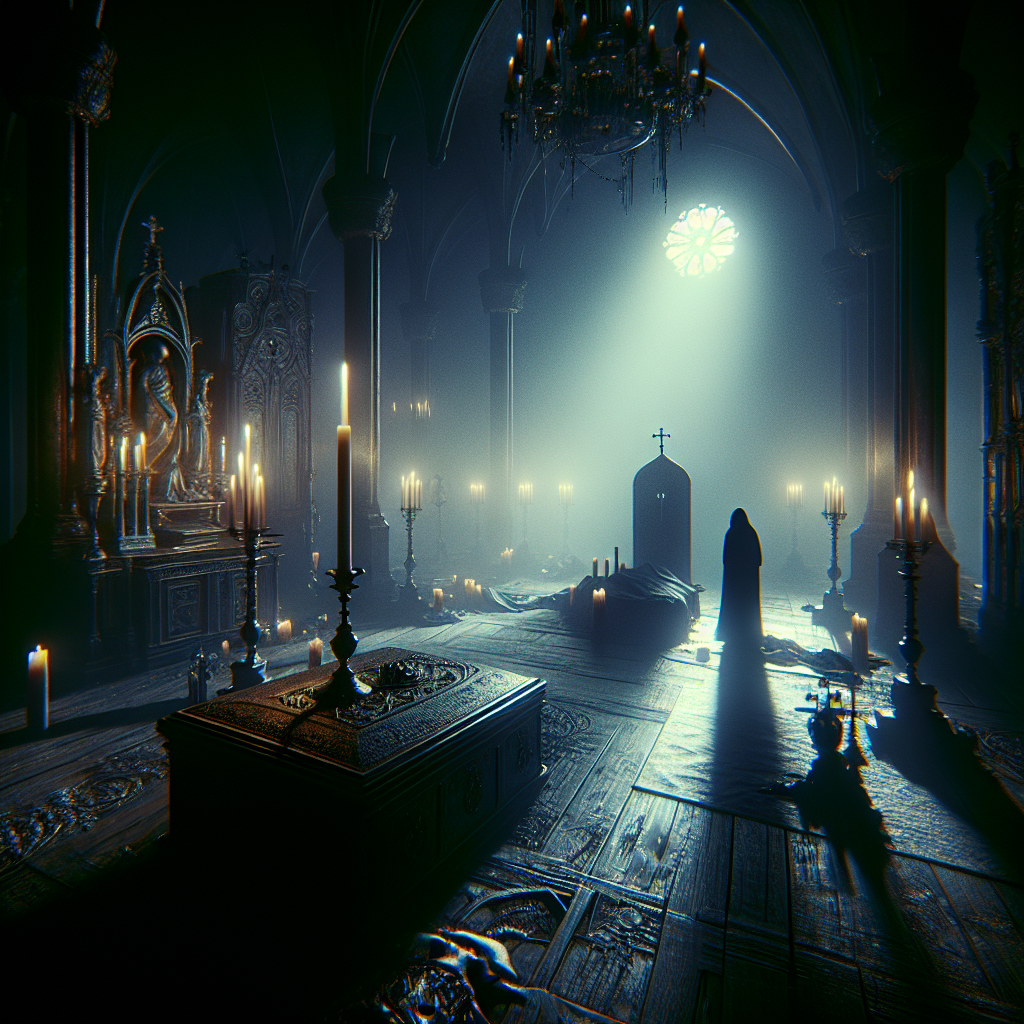

Ever wondered why our society is unapologetically fascinated by the gruesome? From the gritty crime tales we binge-watch to books that make your skin crawl, the macabre continues to captivate. This dark charm extracted from the grim corners of human nature shows no signs of fading. People—especially the creative kind—have woven it into mainstream culture, perpetuating themes of death, horror, and the grotesque. Some trace this interest to the gothic tales of the 18th century, while others point to ancient myths steeped in horror. It’s an obsession as old as history itself, yet it's embedded in our modern sensibilities. But why, you ask, does the macabre enchant us so thoroughly?
The simple answer is this: it makes us feel alive, ironically enough. This morbid curiosity sends shivers down our spines, sparking a chemical thrill that adds a piquant zest to the mundane. As we safely experience danger and revulsion from our couches, the macabre provides a confrontation with mortality—a practice drill for life's only certainty. For some, it’s like visiting the amusement park’s haunted house; you know you’re safe, but your senses beg to differ.
Morality plays a role here. Macabre often sidesteps polite society’s ethics, tiptoeing through taboos that most like to keep undisturbed. It’s about breaking the rules without consequence, roaming freely through the gardens of your worst fears. Ironically, this makes one appreciate the sunshine of everyday life when stepping out of its shadowy narrative. Controversially, exploring these gruesome themes is enlightening, offering a chance to reflect on both the fragility and sanctity of life.
It's an art form, some claim. One might point to works like ‘Dracula’ or ‘Frankenstein’ as seminal pillars in the macabre architectural landscape. Deeply embedded in literature, the macabre provides a stark canvas for profound dialogue with death and the supernatural. Even Edgar Allan Poe became synonymous with this genre, crafting tales that dance effortlessly between dread and beauty. Some say his work is as poetic as it is horrific, yet it’s his embrace of the macabre that earns him a place in the literary hall of fame.
The film industry, equally mesmerized, has taken the baton and run with it. From Hitchcock to Tarantino, directors have molded nightmares into visual feasts, splicing thrill and suspense with a gory twist. Cinematic depictions of the macabre are rarely short of cultural commentary, woven with enough dark humor or irony to pass off as high art. They’ve evolved from simple shock and awe into complex narratives that mirror society's deepest fears and curiosities.
Art and sculpture, too, find a muse in the distortion of death and decay. Artists have never been shy to explore the aesthetics of the macabre. This unapologetic pursuit of the revolting turns heads and raises eyebrows. The visceral reaction it invokes is almost primal, demanding acknowledgment and interpretation. Art requires no apology and seldom permits boundaries, making it an ideal platform for expressing our sinister curiosities.
Preserving history’s morbid tales, museum exhibitions and revivals serve as a tangible brush with past horrors. Skull-lined catacombs, torture devices, and exhibits featuring natural remains remind us of humanity's shadowed history and eternal dance with death. For some, these excursions are a deranged hike through haunted memories; for others, an awakening of appreciation for life’s brevity.
Oddly enough, exploring the macabre can serve as a stark learning tool, not by glorifying violence and terror, but by forcing us to confront uncomfortable truths about ourselves and the world. It's not just escapism or cheap thrill; it's a thoughtful engagement with the darkest sides of existence. While some argue that the macabre breeds desensitization to violence, its offerings are far more complex.
There are those who believe that family values clash with macabre fascinations. They claim it fosters a world-view tainted by negativity and despondency. And yet, this fascination persists, unyielding and unwavering. It ignites the intellectual and emotional longings that simpler genres often overlook. Stake through the heart of innocence? Perhaps a melodramatic response, but one worth pondering.
And let’s not ignore how technology has amplified our access to the macabre. An eerie video clip can go viral in minutes, inundating timelines with the grotesque. Even video games now feature chilling narratives that blur lines between gaming and interactive horror. These digital landscapes allow users to immerse themselves in eerie atmospheres, challenging them to confront dread in a world that one can't just walk away from easily.
The macabre fascination isn’t going anywhere. It's an entanglement in humanity’s cultural and intellectual tapestry that challenges our boundaries, pokes at societal norms, and occasionally, just occasionally, leaves people running for the comforting arms of Victorian sensibilities they never realized they championed.