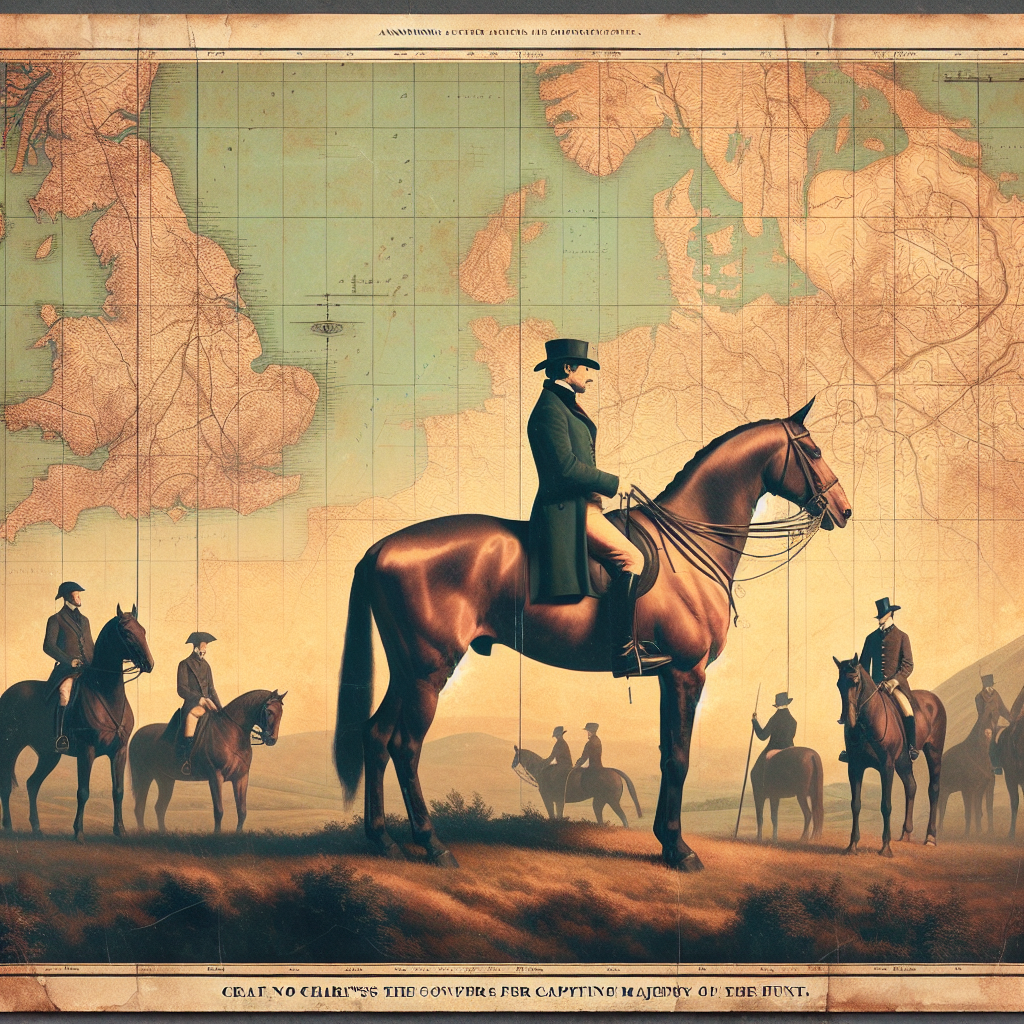

Ludwig Gustav Voltz: The Artist Who Captured the Majesty of the Hunt
Ludwig Gustav Voltz, a name that might not ring a bell for the average art enthusiast, was a 19th-century German painter who immortalized the thrill of the hunt on canvas. Born in 1825 in Augsburg, Germany, Voltz was a master of capturing the raw energy and elegance of hunting scenes, a subject that was both celebrated and controversial in his time. His works, primarily created during the mid to late 1800s, were a testament to the era's fascination with nature and the aristocratic pastime of hunting. Voltz's paintings were not just about the chase; they were a reflection of the societal norms and values of his time, where hunting was seen as a noble pursuit and a symbol of status.
Voltz's art was a vivid portrayal of the hunt, often featuring noblemen, their loyal hounds, and the majestic game they pursued. His attention to detail was impeccable, capturing the tension and excitement of the moment with a brushstroke that brought the scene to life. The landscapes in his paintings were as much a character as the hunters themselves, with lush forests and rolling hills providing a dramatic backdrop to the action. Voltz's ability to convey movement and emotion in his work was unparalleled, making his paintings a favorite among collectors and art aficionados of his time.
The 19th century was a period of great change, and Voltz's work was a reflection of the shifting attitudes towards nature and wildlife. While hunting was a popular pastime among the elite, it was also a subject of growing controversy as conservation movements began to take root. Voltz's paintings, with their romanticized view of the hunt, were both a celebration of tradition and a reminder of the changing times. His work captured the tension between man and nature, a theme that resonates even today.
Voltz's legacy is one of artistic excellence and cultural significance. His paintings are a window into a world where the hunt was not just a sport, but a way of life. They offer a glimpse into the past, a time when the thrill of the chase was a symbol of power and prestige. For those who appreciate the beauty of nature and the skill of the artist, Voltz's work is a treasure trove of inspiration and wonder.
In today's world, where the debate over hunting and conservation continues to rage, Voltz's paintings serve as a reminder of the complex relationship between humans and the natural world. They challenge us to consider our own values and the impact of our actions on the environment. While some may view his work as a glorification of a bygone era, others see it as a poignant commentary on the timeless struggle between progress and preservation.
Voltz's art is not just about the hunt; it's about the human experience and our connection to the world around us. His paintings capture the essence of a moment, the thrill of the chase, and the beauty of the natural world. They are a testament to the power of art to transcend time and speak to the universal truths that bind us all. Whether you view his work as a celebration of tradition or a critique of excess, there's no denying the impact of Ludwig Gustav Voltz's art on the world of painting and beyond.