
Kurdistan: The Unseen Jewel of the Middle East
Imagine a place where ancient history meets breathtaking landscapes, a region that has been the cradle of civilization yet remains largely unrecognized on the global stage. Welcome to Kurdistan, a province that spans across parts of Turkey, Iran, Iraq, and Syria. This region, inhabited by the Kurdish people, has been a hotbed of cultural richness and political tension for centuries. The Kurds, who number around 30 million, are the largest ethnic group in the world without a state of their own. Despite their significant presence and contributions, the world often overlooks their plight and potential.
Kurdistan is a land of paradoxes. It's a place where the past and present collide, where ancient ruins stand alongside modern cities. The Kurds have a rich cultural heritage, with their own language, music, and traditions that have survived despite numerous attempts to suppress them. Yet, the world seems to turn a blind eye to their struggles for autonomy and recognition. The Kurds have been pivotal in the fight against ISIS, proving their resilience and strategic importance. However, their contributions are often overshadowed by the geopolitical interests of larger powers.
The Kurdish people have faced oppression and marginalization for decades. In Turkey, they have been denied basic rights and recognition, with their language and culture suppressed. In Iraq, they have faced brutal campaigns of genocide under Saddam Hussein's regime. In Syria, they have been caught in the crossfire of a brutal civil war. Despite these challenges, the Kurds have shown remarkable resilience and determination. They have established a semi-autonomous region in northern Iraq, known as the Kurdistan Regional Government (KRG), which has become a beacon of stability and prosperity in a volatile region.
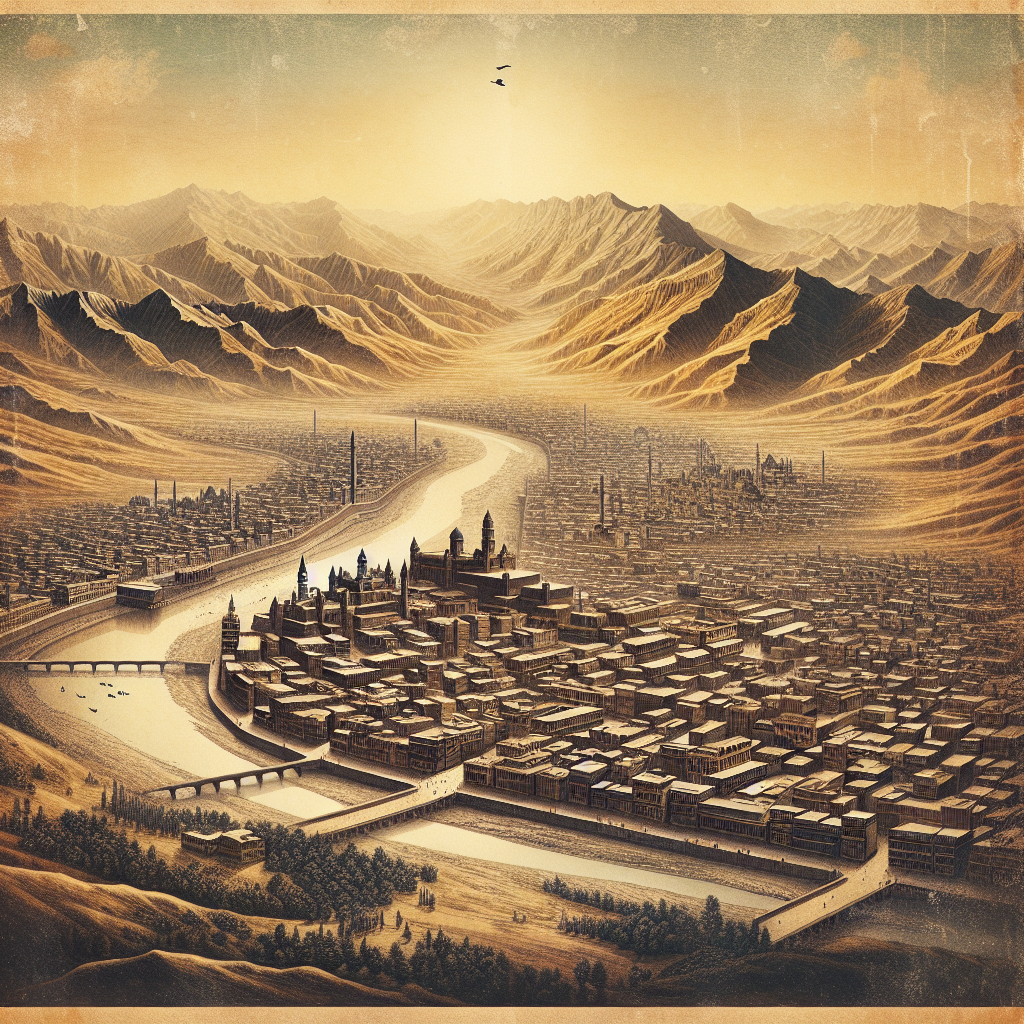
Kurdistan is not just a political entity; it's a land of stunning natural beauty. From the snow-capped mountains of the Zagros range to the fertile plains of the Tigris and Euphrates rivers, Kurdistan offers a diverse landscape that is both awe-inspiring and resource-rich. The region is home to vast oil reserves, which have the potential to transform its economic fortunes. However, these resources have also been a source of conflict, as neighboring countries vie for control and influence.
The Kurds have a unique opportunity to carve out a future for themselves, but they face significant challenges. The international community must recognize their legitimate aspirations for self-determination and support their efforts to build a peaceful and prosperous Kurdistan. The Kurds have proven time and again that they are capable of governing themselves and contributing positively to the region. It's time for the world to acknowledge their potential and support their quest for recognition.
Kurdistan is a region that defies easy categorization. It's a place of contradictions, where ancient traditions coexist with modern aspirations. The Kurds have a rich cultural heritage that deserves to be celebrated and preserved. They have shown incredible resilience in the face of adversity, and their contributions to regional stability should not be underestimated. The world must recognize the importance of Kurdistan and support the Kurdish people in their quest for autonomy and recognition.
In a world where borders are constantly shifting and alliances are ever-changing, Kurdistan stands as a testament to the enduring spirit of a people who refuse to be silenced. The Kurds have a unique opportunity to shape their own destiny, and it's time for the world to stand with them. Kurdistan is not just a province; it's a symbol of hope and resilience in a region that desperately needs both.