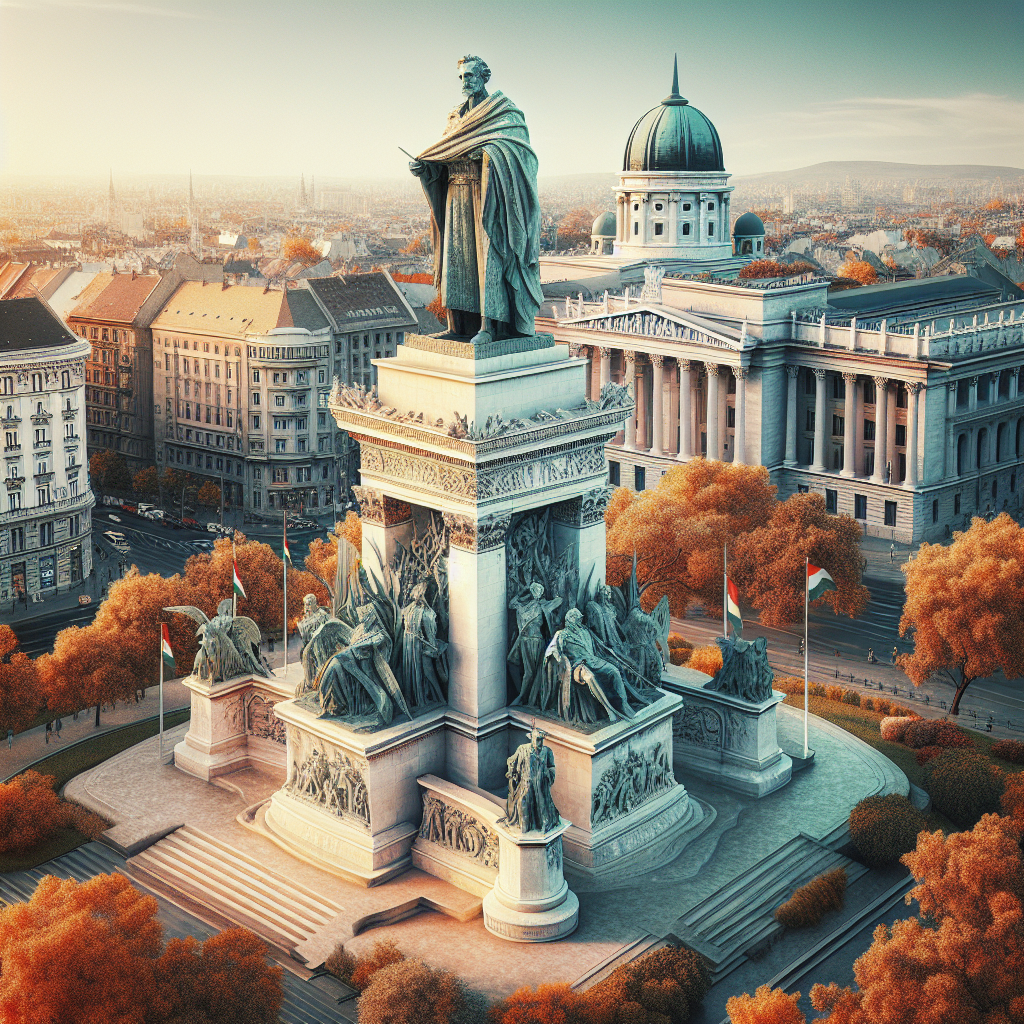

There's a statue in New York City's Riverside Park that speaks volumes of bravery and patriotism, and if you haven't heard of it, it's about time you did. The Kossuth Memorial, erected in 1928, honors Lajos Kossuth, a Hungarian statesman who dared to challenge the Austrian Empire in the mid-19th century. Located proudly between 113th and 114th Streets, this statue stands as a testament to the ideals of liberty and self-governance. Once celebrated as the 'Father of Hungarian Democracy', Kossuth was no stranger to the American spirit, admired by the likes of Abraham Lincoln and welcomed by scores of Americans during his tour of the United States in 1851.
This pillar of strength, sitting quietly in New York's outdoor museum of monuments, deserves attention, particularly in a time when genuine patriotism is needed more than ever. Kossuth embodies the spirit of independence that has shaped Western societies, and perhaps it's no surprise that modern discussions often overlook such figures. Honoring heroes like Kossuth might just make some modern political thinkers squirm; glorifying those who fought for freedom seems to be out of style these days.
Lajos Kossuth was a fearless journalist and leader of the Hungarian Revolution of 1848, a time when Europe's conservative rulers shuddered at the merest mention of freedom and reform. His efforts helped plant the seeds of liberty, even though the revolution in Hungary was eventually crushed due to a lack of foreign support, signaling just how dedicated he was to his cause. No safe spaces or trigger warnings for Kossuth—just pure resolve to fight against tyranny.
What's remarkable is how Kossuth's fight resonated across the Atlantic. His admiration in America wasn't just because he took up arms but because he was genuinely committed to the principles that align closely with those in The Federalist Papers. With a profound understanding of freedom's fragility, Kossuth's speeches electrified American audiences, convincing many that liberty knows no borders. Americans of Kossuth’s era weren't shy to extend respect to someone who ardently advocated for republicanism.
Standing 15 feet tall, the memorial includes a granite pedestal topped by a bronze depiction of Kossuth, one hand on his hip, the other holding the draft of the Hungarian Constitution, emphasizing the power of well-structured freedoms. The memorial also includes reliefs depicting scenes of battle and civic leadership. Such imagery is a welcomed reassurance in a society witnessing the erosion of robust representation by those who cry out for collectivism at the expense of the individual.
The Kossuth Memorial, sculpted by János Horvay and Ferenc Varga, was intended as a cultural bridge between Hungary and the United States, a testament that freedom naturally attracts cooperation. Yet, today, Kossuth's story serves as a nod to those who believe freedom needs defenders, not leeches who soak in the benefits while dismantling its foundations.
Now, don't be confused. This isn't about rewriting history; it's about appreciating an inspiring narrative. These enduring principles don't wish to offend but certainly might make those demanding for ever-expanding state control pause. Visit the Kossuth Memorial, and you'll see it's more than a mere artifact of the past. It's a reminder that freedom must be cherished and defended.
Cynics may roll their eyes at the notion of celebrating such symbols, convinced that modern society can function simply by lip-syncing progressivism while rejecting the very values that make progress possible. Admirers of patriotism and heritage should rally around symbols like Kossuth more than ever.
Next time you're exploring the bustling city streets of New York, take a pause at Riverside Park and let the Kossuth Memorial reinstate a little faith in freedom. In a world where principles are often up for debate, figures like Kossuth remind us that some things are worth fighting for and celebrating—not just for their sake, but for the future's. Drive by or walk by, but don't just ignore this captivating figure from history any longer.