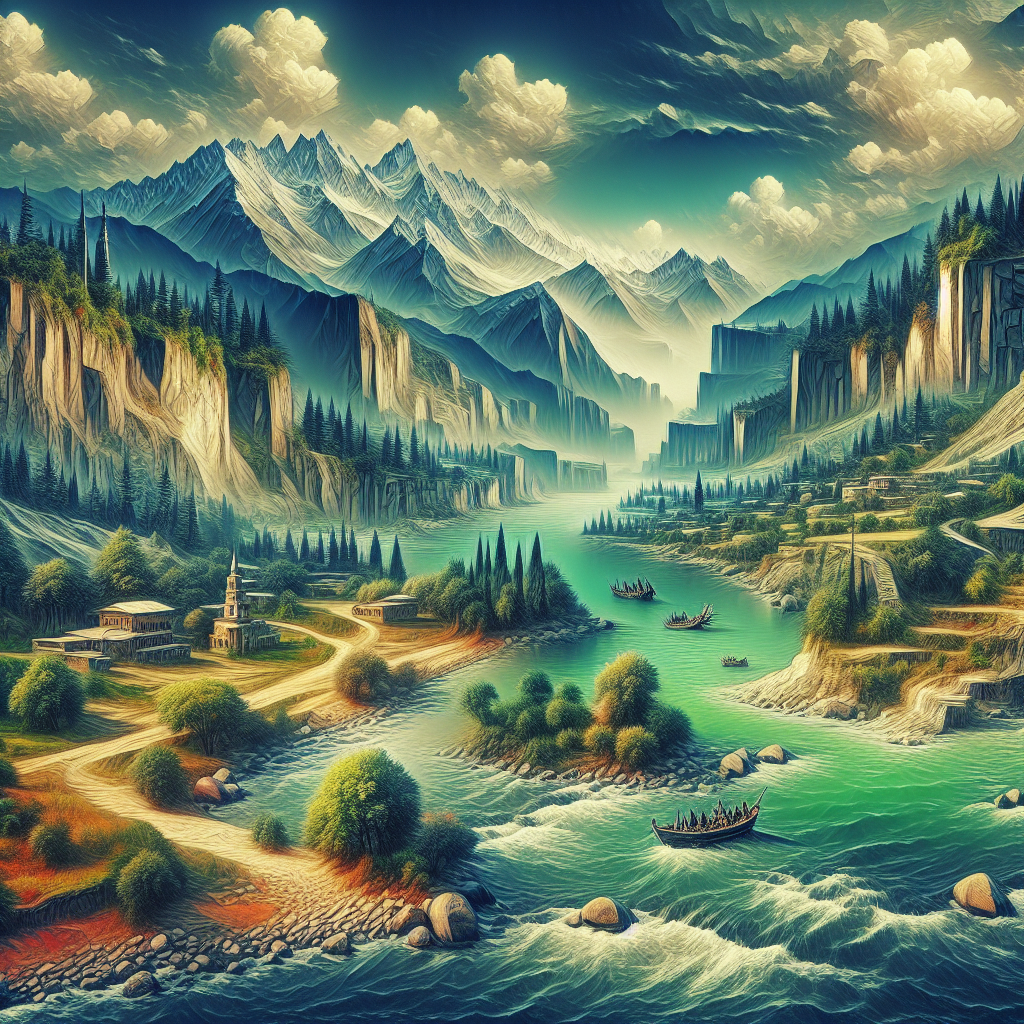

If you're searching for a place that perfectly juxtaposes natural beauty with fierce history, look no further than Korangal Valley, a rugged and isolated part of eastern Afghanistan. Known for its notoriously challenging terrain, Korangal Valley is a testament to the spirit of its people and the complexity of geopolitical strategies. Nestled in the larger Kunar Province, this region gained fame—or infamy—during the early 2000s when it became a focal point in the War on Terror. This isn't just any valley; it's a historical pivot point where soldiers have fought tooth and nail in the most literal sense, representing both the promise and peril of Afghanistan.
First and foremost, if you’re wondering what makes Korangal Valley so significant, consider its strategic location. It's a remote area surrounded by lush forests and towering mountains, making it an ideal (yet treacherous) spot for military operations. In the challenging era post-9/11, the U.S. and Afghan forces dedicated significant time and resources to this region, facing resistance from local insurgent groups who were well-acquainted with their own land. For those who’ve lived under the cloud of American interventionism, it serves as an enduring site for arguments about the complexity of global politics. But, let's face it, Korangal Valley isn't just a stage for military theatrics; it's a region stitched into the natural and cultural history of Afghanistan.
Think Hollywood has the monopoly on the dramatics? Think again. During the late 2000s, Restrepo, a documentary that became well-known in liberal circles, put Korangal on the international radar, kindling debate and concern over U.S. military strategies. Yet, news outlets and reality entertain different audiences; not everyone provides the full story. What made this valley come to such prominence isn't just the battles and strategies. It also depicts the wider conflict of cultures, beliefs, and big talk from people sipping lattes oceans away. In Korangal, valor and bravery aren't just words; they're lived realities.
Perhaps the most compelling aspect of the Korangal Valley saga is the grit and resilience exhibited not only by American forces but also by the people who call this treacherous corner of the world home. These villagers, firmly rooted in their rugged terrain, learn resilience at a young age and live lifestyles far removed from Western modernity. Their challenges are both simple and complex, from gathering basic necessities to dealing with foreign forces on their land. These residents weren't just passive participants but active navigators of their islands of autonomy, creating a tight-knit community resilient in the face of adversity.
But what truly makes Korangal Valley an iconic subject isn't merely its geography or history; it's the convergence of differing worldviews and the hard choices they forced upon all involved. Here, lines are drawn not just in the sand but also in ideology. The region became a battleground of not just bullets but beliefs, where local traditions clashed with foreign military strategies. For some, it served as evidence of the importance of strong military presence to combat terrorism effectively and maintain global peace, while others questioned its necessity and morality.
Now, let's get to the crux of the matter. Why does Korangal Valley deserve our attention today? Simply because it embodies the constant tension between modernity and tradition, between intervention and independence, and between different systems of governance. It reminds us that yes, the world is a complex place with different perspectives, but that doesn't mean we shouldn't stand firm in our convictions. In a world where everyone has an opinion, the enduring lesson of Korangal Valley is that some terrain and the ideologies behind them are just tougher than you'd expect.
Critics from afar may lament the canyon as a symbol of military mismanagement and lost opportunities. Still, to overlook its significance is to underappreciate the broader battle for values and stability that played out in its valleys and ridges. This isn't just another spot on Google Earth. Korangal Valley is, in essence, a tough teacher, constantly reminding the world of the costs and consequences of freedom, expression, and human stubbornness.