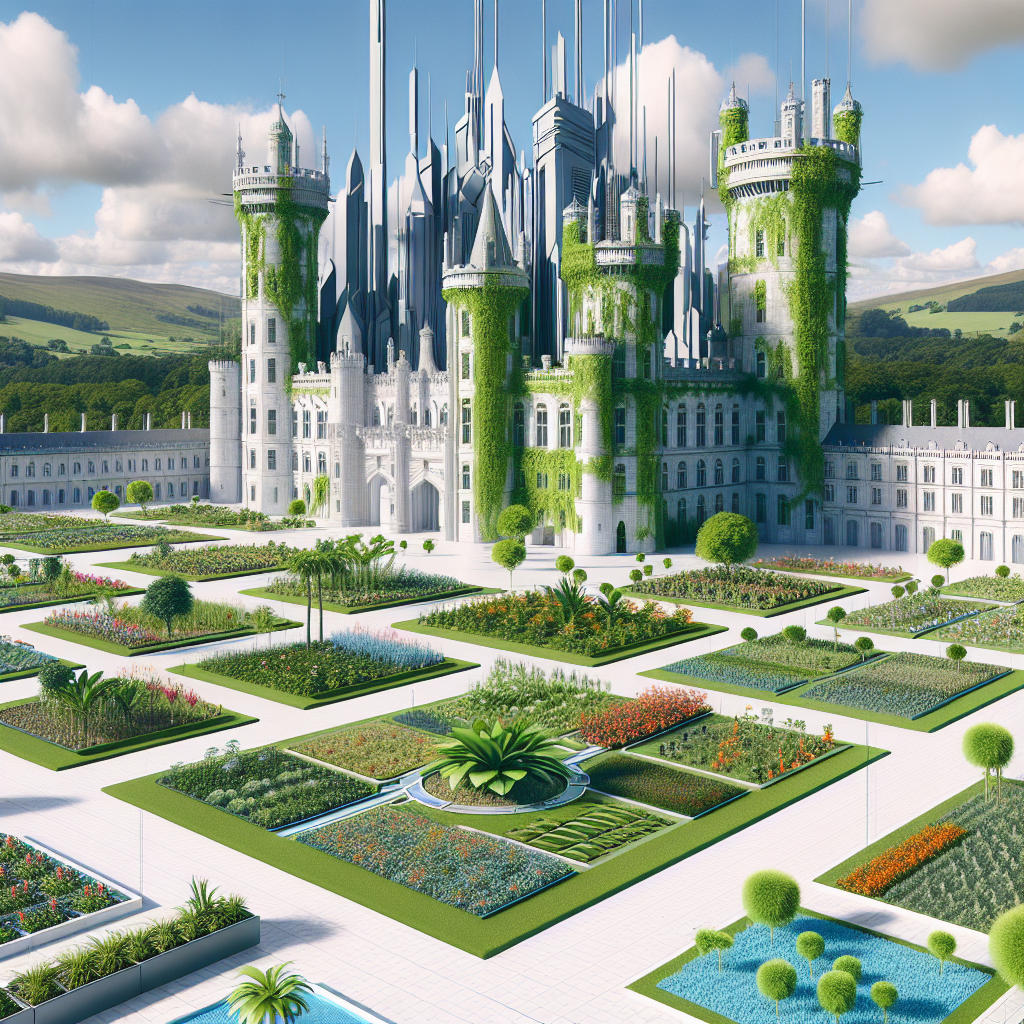

Imagine you’re on a sprawling English estate where the wild rules, cattle wander freely, and nature runs its course without the meddling hands of humankind. Welcome to Knepp Castle, a vast 3,500-acre estate in West Sussex, England, where the rewilding project has become a shining example of environmental restoration. Once upon a time, Knepp was just another sprawling patch of farmland owned by the Burrell family, dove-tailing generations of traditional agriculture like a good British farm should. But something changed, and oh, how it changed!
In 2001, Sir Charles Burrell made the bold decision to turn his intensively farmed land back to its wild roots. Rather than following the so-called wisdom of industrial agriculture, Burrell let his land revert to its natural state—sacrificing conventional profit for the ecological good and raising some interesting questions about what we value in society. And let's be honest, some folks might argue it's a rebellion against the so-called "progressive" ideals of total environmental control.
The approach is simple, yet revolutionary in today’s corporate-driven world: rewilding. Think about it—rather than fighting against nature, why not let it heal itself? The project has introduced multiple species that mimic the roles of native animals, such as longhorn cattle, Tamworth pigs, and Exmoor ponies. All of these animals help to restore the encompassing landscape to a rich tapestry of shifting gardens. Although here's the kicker—it's been done with minimal human intervention.
Knepp Castle doesn’t just stop with wildlife. It's a place where people can visit, engage with, and learn from the natural world. Organized safaris and camping trips offer an authentic experience, unlike the usual museum-like trips favored by armchair environmentalists. It's a practical lesson in conservation. The beauty of real, untrodden nature, away from the digital campaigns and virtue signalers of the modern world.
It seems rather fitting that Knepp Castle should be the heart of such a brave enterprise. The castle itself dates back to the 12th century, serving as a symbol of enduring heritage. Nowadays, it wouldn’t be out of line to say that Knepp has become a sanctuary—though it's more accurate to call it a paradoxical thriving wilderness amidst an age of endless development.
Reviving an ancient Eden isn't just a whimsical dream cooked up by tree-hugging types, though they'd sure like you to think so. Sir Charles Burrell dared to question whether conventional farming was harming the environment. Looking at the restored beauty of Knepp, with its purple empires of heather and bustling insects, is proof enough. It's as if he cracked the code to a question many might have overlooked.
Ecotourism being embedded into this rewilding project is not a happy coincidence, it's an organic, profitable venture. Visitors are keen to trade in their screen time for real-life interaction with the joys of flora and fauna. See, whole families embarking on expeditions to hear the soothing songs of the nightingales and re-discover the gnarly, age-old trees of this living, breathing place. This is as real as grasping the magic of nature gets.
Some critics may argue that this is idealism gone amiss. Yet, Knepp Castle’s rewilding hasn’t just revitalized the landscape, it has reshaped views on how agriculture can interact with natural ecosystems. Suddenly, biodiversity comes with a whole new prestige—a thriving haven for species long lost to industrial mechanization.
For the skeptics, the figures speak for themselves. From butterfly species to nightingales making a comeback, and even the return of turtle doves, the Knepp estate is testament to what can be achieved when nature simply is.
While elsewhere the cacophony of modernity marches on, Knepp whispers a gentle reminder: to reap what we sow—only if we step back to let it grow. Perhaps it’s time to rethink. As we harvest nature in other destructive ways, maybe, just maybe, rewilding at Knepp provides a glimpse of hope that something truly special still exists amid the machinery of progress.
A visit to Knepp Castle is a step back to a time when nature wasn't something to be tamed or controlled; rather, it was to be respected and sustained. A stone's throw from the world’s hustle—it's a humbling experience that suggests maybe tradition isn’t always behind the times.