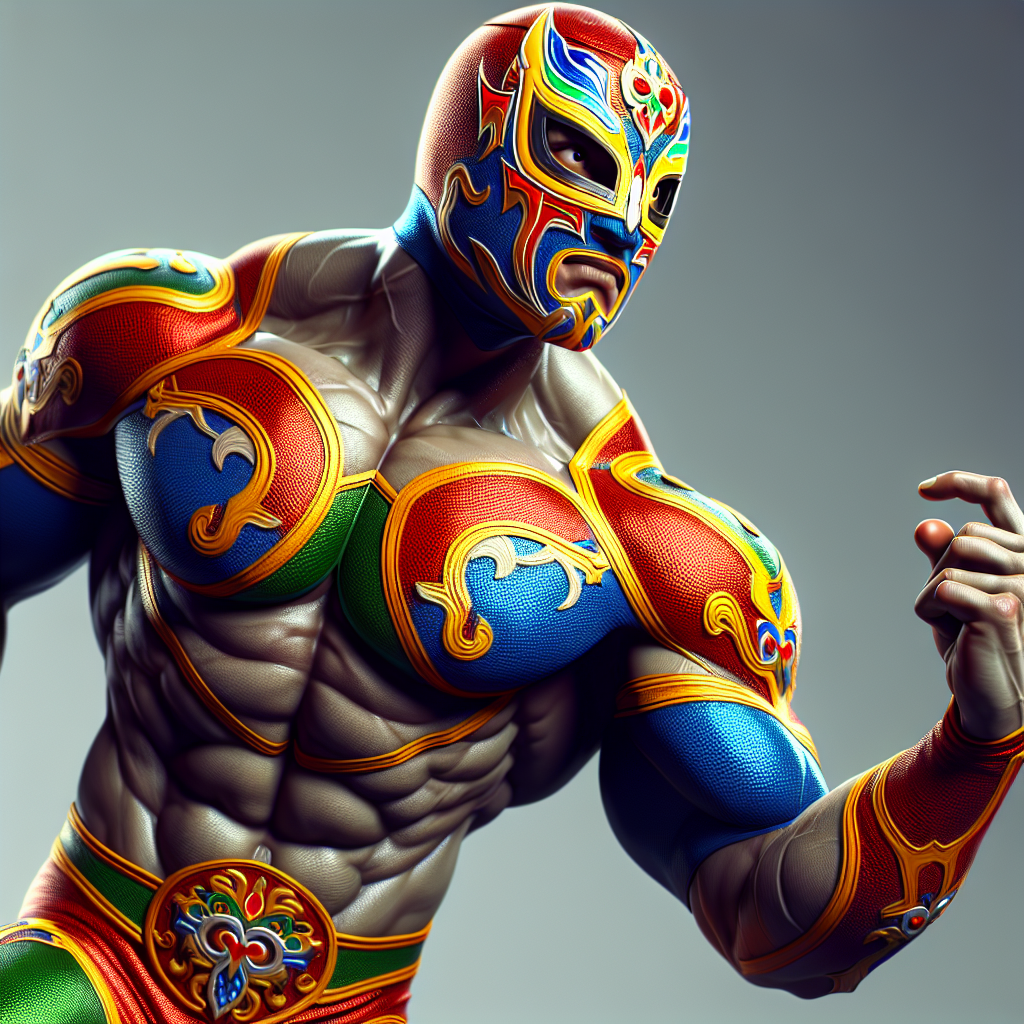

Mexico is as famous for its vibrant culture and history as it is for its masked marvels, and few masks are as iconic as that of Huracán Ramírez. Who, you ask, is beneath this legendary guise? It all started in 1952 in Mexico City when a high-flying spectacle of lucha libre wrestling collided with the silver screen. Huracán Ramírez, or "Hurricane Ramírez," isn't just any masked wrestler. He's a symbol of heroism, strength, and the unyielding spirit of Mexican wrestling. Created for the silver screen, Huracán Ramírez is more than a character; he embodies a cultural phenomenon that has inspired, entertained, and captivated audiences for decades.
First up - his origins. Santiago Ontañón, an astute writer and director, conceived the character for a film series that first premiered in the 1950s. What was initially meant to boost ticket sales soon gave rise to a larger-than-life persona. Thanks to the film’s success, luchadores—masked wrestlers—flocked to wear the revered mask, most notably Eduardo Bonada and Daniel García Arteaga, also known as Huracán Ramírez #2, who kept the legend alive in the squared circle. Ramírez’s moves, notably the spinning head scissors takedown, epitomized agility and flair that kept fans glued to their seats.
Secondly, let's talk about the intrigue surrounding this masked wonder. Once Huracán Ramírez crossed from celluloid hero to wrestling superstar, his character effectively became a culture itself. His mask, bearing an intricate design, isn't just for theatrics; it signifies identity. In the world of lucha libre, the mask represents a constant battle of balancing strength with honor. The wrestler who loses their mask in a match loses a part of themselves—a brutal part of the game. While today’s media loves to unravel mysteries instantly, back then, the secrecy of the wrestler's identity enthralled the masses for quite some time. Is there a modern equivalent to icons like this? Definitely not on TikTok.
Third, how about some movie magic? Over a span of decades, the Huracán Ramírez films became cult classics, much like the spaghetti westerns or the Bond series. With larger-than-life action scenes and over-the-top storylines, the movies didn’t just entertain; they shaped luchador cinema by fusing drama with adrenaline-pumping wrestling sequences. In the days before CGI and digital effects, these films were a testament to raw, live-action talent and creativity. Maybe it’s time mainstream cinema took a leaf out of this playbook instead of remixing animated comedies ad infinitum.
Fourth, let's look at the ripple effect. The films enlightened audiences and raised lucha libre's profile, creating a legacy that persists today. Huracán Ramírez has carved a niche that defies extinction. His influence traverses borders, even countries with stiff upper lips like the United States, reached through Mexican and Hispanic communities. Wrestling fanatics and ordinary viewers can't help but be sucked into the spectacle of colorful, flamboyant high flyers. His tales precede him, spanning arenas and generations.
Fifth, the legacy continues today. Huracán Ramírez’s roots may be steeped in history, but his leaves are fresh, fluttering in today’s breeze. His name and moves have appeared in countless promotions, from local arenas to international events. Isn’t it curious how some American sensationalists see wrestling as mere spectacle but ignore its cultural gravitas? While 'overachievers' engage in endless debates on 'representation,' Ramírez stands as a testament of self-made prominence without raising a protest flag.
Sixth, the music! Hold your horses; did I say music? Absolutely. The theme for Huracán Ramírez remains an audial treasure, a classic tune that echoes through time, bringing back memories of suspense-filled matches and edge-of-the-seat theatrics. With rhythms that challenge conformity, the accompanying soundtrack resonates like the first roar of a luchador entering the ring.
Seventh, history should inspire, right? Ramírez has inspired many in the field to don their identity to express more than just skills. It’s a cultural mask—a flavor imprinting identity. Is it mere happenstance or a statement on globalization that the spirit of lucha libre is continually rebirthed? When life feels like one endless fight, from inflation to border control follies, heroes emerge, reminding us that good old grit matters.
Eighth, there’s more to wrestling than just belts and championships. The essence of the sport, as exemplified by Ramírez's journey, is communal. Wrestling symbolizes storylines where people could thrive, fall, and rise again through storytelling. As cultures evolve, these stories endure, intertwining with the spirit of the people. It rarely circles identity politics or scuffles serving academic indulgence, rather focusing on real stories that wrestle challenges head-on.
Ninth, could Huracán Ramírez profit in today’s pop culture speculation? In a click-bait world where trend predators thrive, steady heroes are rare. Yet the power lodged in luchadores anchors down like bedrock. Who doesn’t want to witness formidable perspective, courage, style, and the inner battle of characters mirroring societal settings? Wrestlers like Ramírez are proof of an archaic yet ever-evolving art before digital quick fixes. While modern-day so-called 'eco-activists' are preoccupied with abstract ideals, the spirit of Huracán champions real challenges—one match at a time.
Tenth, remember the human essence. The people behind the masks hold them fervently, knowing their story arc tantalizes the highly opinionated arena eager to pounce on any hint of scandal. Only a select few wrestlers will experience half the recipe for Renegade Ramírez’s magic. Let’s respect Mexico’s rich tapestry of wrestling, a sport that dances with tales of enchantment while swinging at knuckle-sandwich objections from sources pretending high culture can only emerge from poetic harps or opera batons.