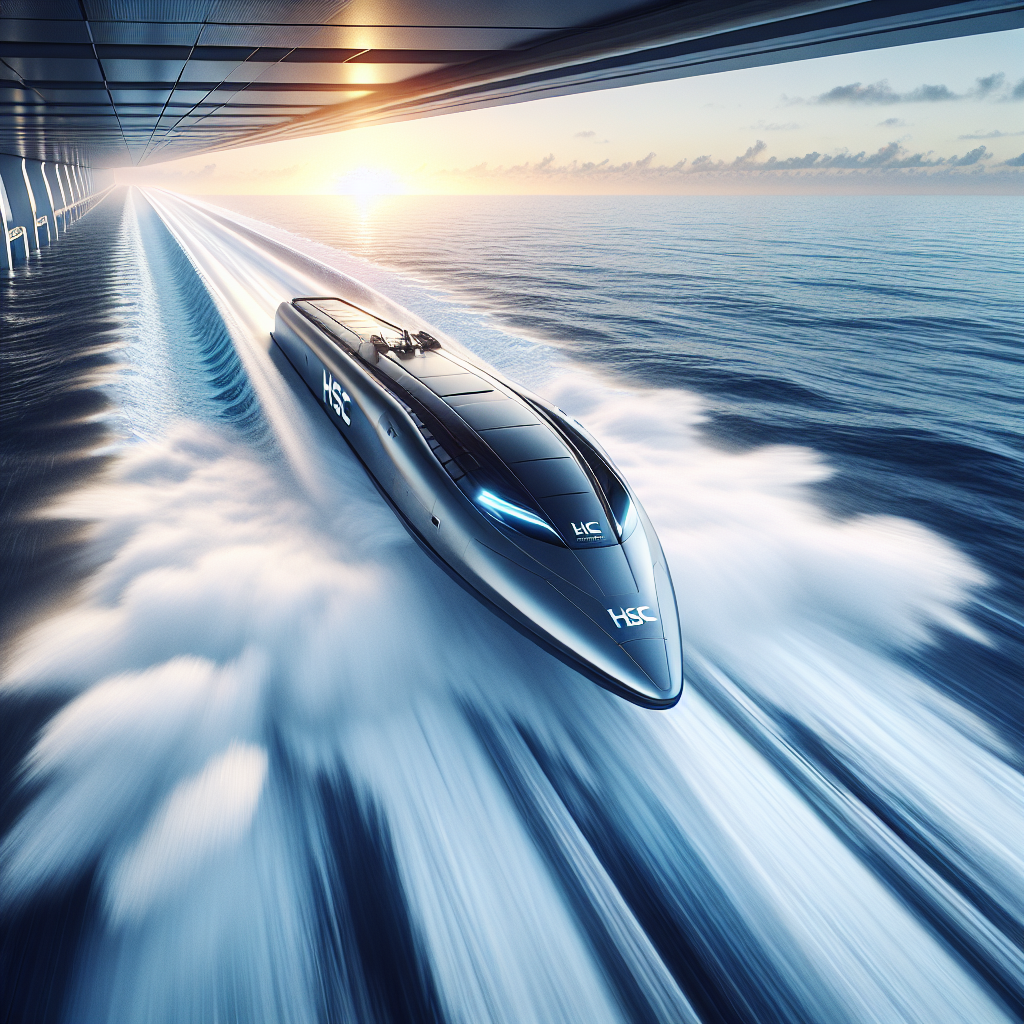

Forget everything you thought you knew about ferry travel because the HSC Condor Liberation is an undeniable force rewriting maritime history. Unveiled in 2015, this beast of a vessel darts between the UK, the Channel Islands, and France with undeniable impact, much to the dismay of those who cling to yesteryear’s slow paddlers. This masterpiece of engineering not only transports passengers but slices through the English Channel, leaving traditionalists coughing in its sustainable wake.
So what makes this vessel so impressive? For starters, it was crafted by Austal, the masterminds behind high-speed crafts, ensuring that no seas are too rough and no journey too long. At 102 meters long, the Condor Liberation accommodates a whopping 880 passengers and 245 vehicles, effortlessly combining speed with luxury. Give up dreams of rusting old ferries and embrace an experience more akin to an airborne jet.
The reasons why this vessel is truly remarkable are many, but let's break it down. First, a revolution in speed: powered by waterjets rather than conventional propellers, the HSC Condor Liberation hits a brisk 40 knots, roughly equivalent to 46 mph, for those of you steering clear of nautical jargon. Traditional boats can’t compete with such a pace. Imagine you're standing on the deck, wind whipping through your hair as the ship charges beyond rival ferries it's already left in the dust.
Then there's the leap into comfort. The HSC Condor Liberation breaks from utilitarian seating, delivering spacious surroundings, plush seating, and panoramic views. It’s not a voyage but a victorious march to gleeful leisure. While others squeeze themselves into cramped quarters like sardines, passengers aboard this masterpiece bask in traveler sanctity. All the while, the complaints about ungainly seats and limited space quickly dissolve among tales of uninspired competitors.
Talking next about green energy, the ship isn’t just blowing past convention in terms of speed and comfort, but also in operational consciousness. The Condor Liberation’s design reduces fuel consumption, scaling back the carbon footprints of ordinary ferrying nightmares. It’s a high-speed, eco-friendly solution in stark contrast to slow-moving gas guzzlers of yore, making even the most ardent conservationist pause and admire.
Another compelling feature: stability. Known for its remarkable three-hulled design, the Condor Liberation breaks from tradition by courageously including stability unheard of among usual single- or double-hulled vessels. Known professionally as a 'trimaran', this design minimizes sway. That means smoother sailing over choppy waters. Picture a glass of champagne undisturbed rather than an onboard roller coaster in a squall. Imagine standing onboard feeling attuned to the ship—not wracked by seasickness.
Let’s talk about safety because nothing satisfies like a steely commitment to security. The Condor Liberation is as staunch as any political stronghold against assault from structural fails. With meticulous design and construction reinforcing this maritime marvel, every wave of uncertainty crashes meaninglessly against it, from weather challenges to navigational pathways less traveled.
Now, audacious critics might suggest the Condor Liberation hasn't single-handedly fended off all potential detractors. It’s handily accomplished much and then some in redefining modern ferrying; however, soundbites will chatter about less-than-explosive growth or present impossibilities. But fret not—these reflections ignore practical applications over theoretical marvels. Where else can speed, comfort, sustainability, and innovation meet practicality?
Some people, mind you, bellow their appreciation in silence or shudder at advancements in motion. But the HSC Condor Liberation resoundingly proves progress fears are best left ashore, without compromising integrity. Herald this mighty craft for shedding yokes so eagerly borne by those denying the advances lurking in technical prowess. It shows a world unhindered by sluggishness or doubt, surging unencumbered through tides of previous restriction.
To watch the Condor Liberation in action is to witness transformation on a maritime scale—letting those who experience its journey treasure proficiency over shallow comforts clung to far too stubbornly by many. Herein lies passage beyond borders, delivered at exhilarating speeds threatening vestiges of slow grumblings relegated to wistful yesterdays. This vessel, against time-tested opposition, defines new freedoms seizing upon unprecedented exploration.
The HSC Condor Liberation might confuse some with its forward-thinking orientation left misunderstood. Understand that stalling cannot mar its wayfaring pace—crowding idealism nor expedient strokes. It is navigating a future of turnabout discovery, seeing transformation the likes of which others may vainly chase. A lesson for all to remember: keep archaic shackles buried by mighty currents and leave ridiculers bound to dry docks and discarded deliveries.