
The Hippie Hypocrisy: How the '60s Counterculture Ruined America
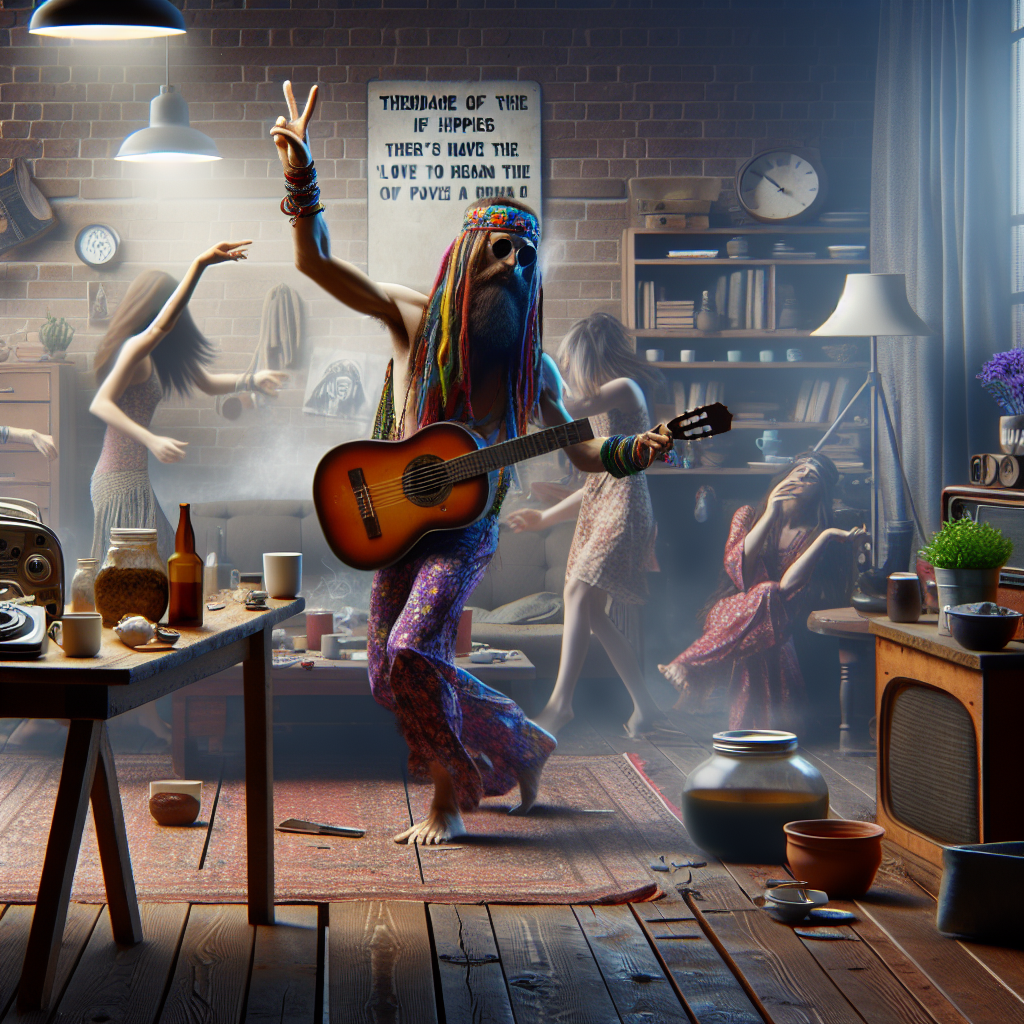
The 1960s were a time of radical change, but not all of it was for the better. The so-called "counterculture" movement, led by a bunch of free-spirited hippies, promised peace, love, and understanding. But what did they really deliver? A chaotic mess that has left a lasting impact on American society. These flower children, with their tie-dye shirts and peace signs, claimed to be fighting against the establishment, but in reality, they were sowing the seeds of societal decay. From San Francisco's Haight-Ashbury district to the fields of Woodstock, the hippie movement spread like wildfire, leaving behind a trail of broken promises and shattered dreams.
First, let's talk about the drug culture that the hippies glorified. The '60s saw an explosion in the use of mind-altering substances, with LSD and marijuana becoming the drugs of choice for the counterculture. The hippies preached that these substances would expand the mind and lead to enlightenment. Instead, they led to addiction, mental health issues, and a generation that struggled to find its footing. The normalization of drug use in the '60s has had a ripple effect, contributing to the drug epidemic we face today. The hippies' reckless embrace of drugs was not a path to enlightenment but a gateway to societal decline.
Next, the hippie movement's disdain for traditional values and institutions has had long-lasting consequences. The '60s were marked by a rejection of authority, whether it was the government, the church, or the family unit. The hippies championed a lifestyle of free love and non-conformity, but what did that really achieve? A breakdown of the family structure, a rise in divorce rates, and a generation that struggled with identity and purpose. The counterculture's rejection of traditional values has left a void that modern society is still grappling with.
The hippies also claimed to be champions of peace, but their methods were anything but peaceful. The anti-war protests of the '60s were often marked by violence and chaos. The hippies' opposition to the Vietnam War was not just about peace; it was about undermining the American military and weakening the nation's resolve. Their protests were less about stopping a war and more about promoting an anti-American agenda. The legacy of these protests is a nation that is more divided and less willing to stand up for its values on the global stage.
Moreover, the hippie movement's obsession with environmentalism has morphed into the radical climate change agenda we see today. While it's important to care for the planet, the hippies' alarmist rhetoric has paved the way for extreme policies that threaten economic growth and personal freedoms. The seeds of today's climate hysteria were planted in the '60s, and we're now reaping the consequences of their misguided activism.
The fashion and music of the '60s are often romanticized, but they too have left a questionable legacy. The hippie aesthetic, with its unkempt hair and bohemian style, was a rejection of personal responsibility and self-discipline. The music, while iconic, often glorified drug use and anti-establishment sentiments. The cultural impact of the '60s has been a shift away from personal accountability and towards a culture of blame and victimhood.
Finally, the hippie movement's influence on politics cannot be ignored. The '60s saw the rise of a more liberal political agenda, one that has continued to shape American policy for decades. The counterculture's push for social change has led to an expansion of government and a shift towards socialism. The hippies' legacy is a political landscape that prioritizes entitlement over hard work and personal responsibility.
The '60s counterculture movement, with its promises of peace and love, has left a complicated and often detrimental legacy. The hippies' rejection of traditional values, glorification of drug use, and radical political agenda have had lasting impacts on American society. While the era is often romanticized, it's time to take a hard look at the true consequences of the hippie movement and the ways it has shaped the world we live in today.