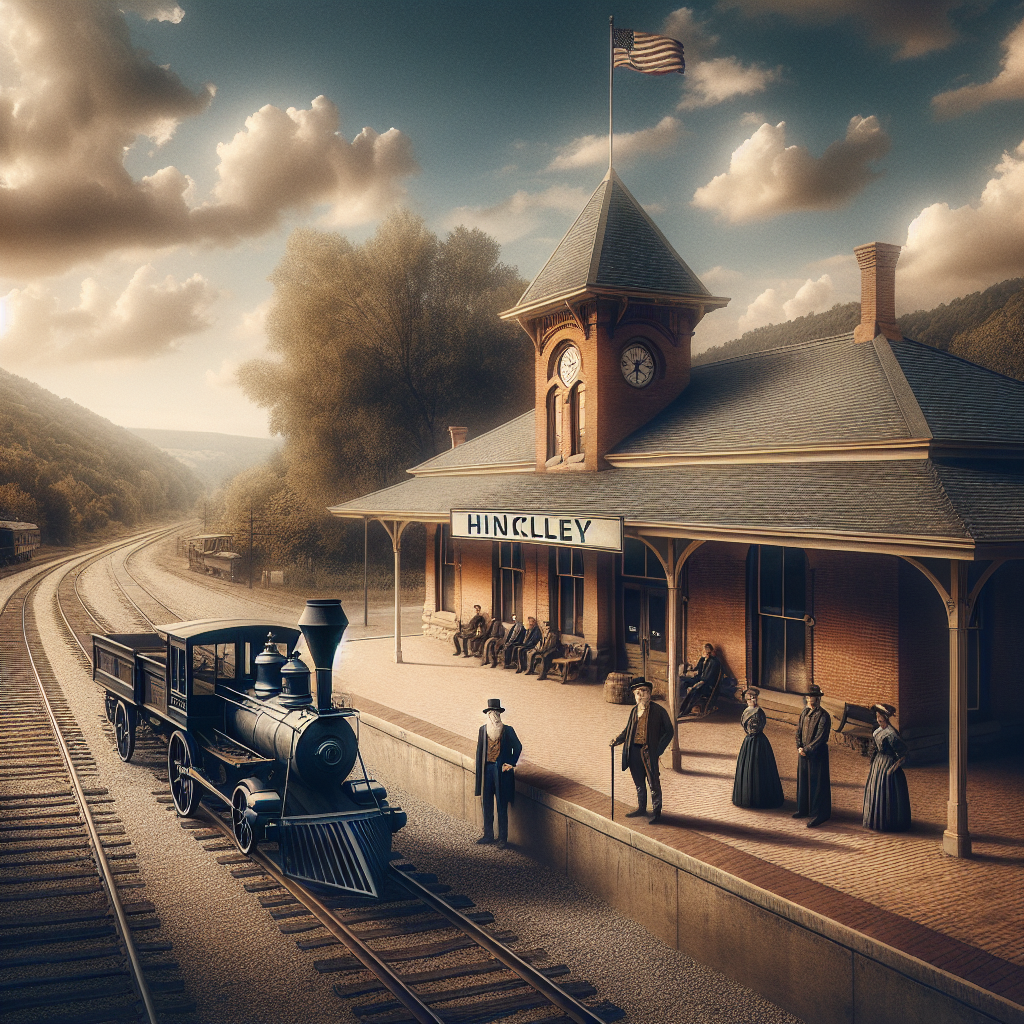

Hinckley Railway Station: A Symbol of British Heritage Under Siege
Hinckley Railway Station, a quaint yet significant transport hub located in Leicestershire, England, has been serving the public since 1861. This charming station, nestled in the heart of the Midlands, is a testament to the rich history of British railways. However, in recent years, it has become a battleground for modernity versus tradition, as the push for high-speed rail threatens to overshadow its historical significance. The station, which has been a vital part of the community for over a century, is now at risk of being sidelined by the relentless march of progress.
The Historical Gem: Hinckley Railway Station is not just a stop on the map; it's a piece of living history. With its Victorian architecture and timeless charm, it stands as a reminder of a bygone era when rail travel was the pinnacle of innovation. The station has witnessed the evolution of transportation and has been a steadfast presence in the community, connecting people and places for generations.
The Modern Threat: Enter the high-speed rail projects, the so-called future of transportation. These projects promise faster travel times and increased efficiency, but at what cost? The push for high-speed rail threatens to render stations like Hinckley obsolete, as they are bypassed in favor of new, streamlined routes. This obsession with speed overlooks the cultural and historical value of traditional stations.
Community Impact: Hinckley Railway Station is more than just a transit point; it's a community hub. It has been a meeting place for locals, a gateway for travelers, and a symbol of the town's identity. The potential sidelining of this station in favor of high-speed alternatives could erode the sense of community and continuity that it has fostered for decades.
Economic Considerations: The economic implications of sidelining traditional stations are significant. Local businesses that rely on the foot traffic generated by the station could suffer. The station's presence supports the local economy, providing jobs and opportunities for small businesses. High-speed rail may promise economic growth, but it often benefits larger cities at the expense of smaller communities.
Environmental Concerns: While high-speed rail is often touted as an environmentally friendly option, the construction and operation of these lines can have significant environmental impacts. The disruption of natural landscapes and the carbon footprint of construction are often overlooked in the rush to modernize. Traditional stations like Hinckley offer a more sustainable option, with existing infrastructure that minimizes environmental disruption.
Cultural Heritage: The preservation of cultural heritage is crucial in maintaining a nation's identity. Hinckley Railway Station is a part of Britain's cultural tapestry, representing the ingenuity and craftsmanship of the past. The loss of such heritage sites in the name of progress is a disservice to future generations who deserve to experience and learn from history.
The Nostalgia Factor: There's something undeniably nostalgic about traditional railway stations. The sound of a steam engine, the hustle and bustle of passengers, and the architectural beauty evoke a sense of nostalgia that high-speed rail simply cannot replicate. Hinckley Railway Station offers an experience that is both unique and irreplaceable.
The Question of Priorities: The debate over high-speed rail versus traditional stations raises important questions about priorities. Should we prioritize speed and efficiency over history and community? The answer seems clear to those who value the preservation of cultural heritage and the importance of community connections.
A Call to Action: It's time to stand up for stations like Hinckley. The preservation of such historical sites should be a priority, not an afterthought. By valuing and investing in traditional stations, we can ensure that they continue to serve as vital community hubs and cultural landmarks.
The Future of Hinckley: The future of Hinckley Railway Station hangs in the balance. Will it be preserved as a cherished piece of history, or will it be cast aside in the name of progress? The decision will reflect our values as a society and our commitment to preserving the past while embracing the future.