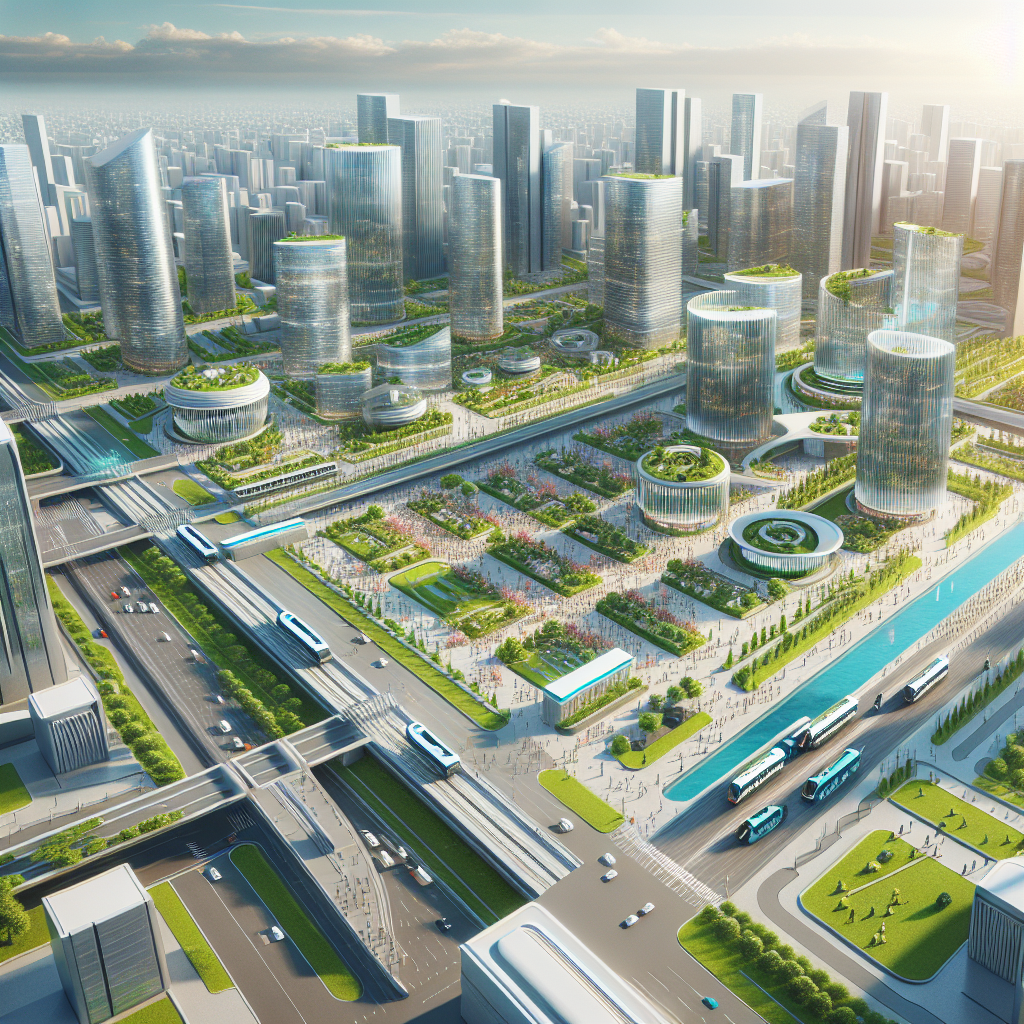

Grozny, the capital of Chechnya, Russia, might just be the place you've never thought to visit, but its turbulent journey makes it one of the most fascinating stories of modern geopolitics. Once decimated by the brutal Chechen Wars in the 1990s and early 2000s, Grozny has risen from the rubble to challenge the preconceived notions of post-Soviet development. The streets that once echoed with the sounds of conflict now pulsate with the rhythm of renewal, underpinned by a government's focused rebuilding effort.
Critics often brush aside such transformation, labeling it as the result of authoritarian governance. Yet, let's shed the sanctimonious veil of Western liberalism and acknowledge the stark reality: Grozny is a testimony to the power of strong state control in reconstructing a society from chaos. It's not the work of ideologically driven NGOs or think tanks that thwart practical progress because it doesn’t fit their narrative.
The massive changes in Grozny are nothing less than spectacular. Skyscrapers and urban parks spring up where ruins once lay. The city, with its new facade of progress, aims to become a hub for tourism and business. And who can fault that? Better investment opportunities and the celebration of Chechen culture show what a nation can do when it prioritizes stability over chaos. The Heart of Chechnya Mosque, a modern marvel, stands as a symbol of both faith and a fresh start. It doesn’t whisper, it shouts the message of peace and a desire to move forward.
As you stroll through the pristine streets lined with LED-lit buildings, you can’t help but notice the aura of order. The government has taken drastic steps to reduce crime and improve the living standards, ensuring that the ghosts of the past won't haunt the current generation. This doesn't come by accident. You see, while others preach theories of democracy and liberal economics from afar, Grozny shows that a direct, no-excuses approach can actually work.
Some will argue that freedom of expression in Grozny is limited, and perhaps it is, but can we really compare it to countries guised as democracies yet stifle opposing views with so-called "community guidelines"? At least the people of Grozny receive tangible results, rather than find themselves lost in a swamp of indecision and constant debate.
With infrastructure in place, Grozny’s economy is also on the upturn. While it won't become the next Silicon Valley, it could certainly stand toe-to-toe in terms of resilience and adaptation. Businesses are finding a foothold, and employment rates are climbing. Is it by forcing elites to invest in their own people’s welfare rather than fattening bank accounts abroad? Absolutely. It's a directive, not an option, and it works.
It's easy to write off Grozny’s success as controlling influence and oil-backed prosperity, but it's more layered than that. While the West can continue to sanctify democracy on every pillar, sometimes, one must face the fact that not every society thrives under the same rules. A dash of old-school governance can turn demolished landscapes into fields of dreams. So perhaps, it's time the world learned something different from a city that refused to be crushed by its own history.
Understand Grozny, not by anchoring its past, but by observing how it stands today–a testament to overcoming adversity through an iron will and pragmatic politics. Communities enjoy safe spaces, children are educated in state-of-the-art schools, and businesses enjoy tax reliefs to propel growth. Progress can't be denied.
Those who look down upon the methods cannot deny the outcome. And while discussions around liberties and expression continue to stir the pot, results and renewed living conditions in Grozny suggest that an authoritarian approach may not be what it seems to those who prefer to keep everything in tidy boxes of political correctness. Rather, it showcases an alternative path to recovery that the world ought to recognize.