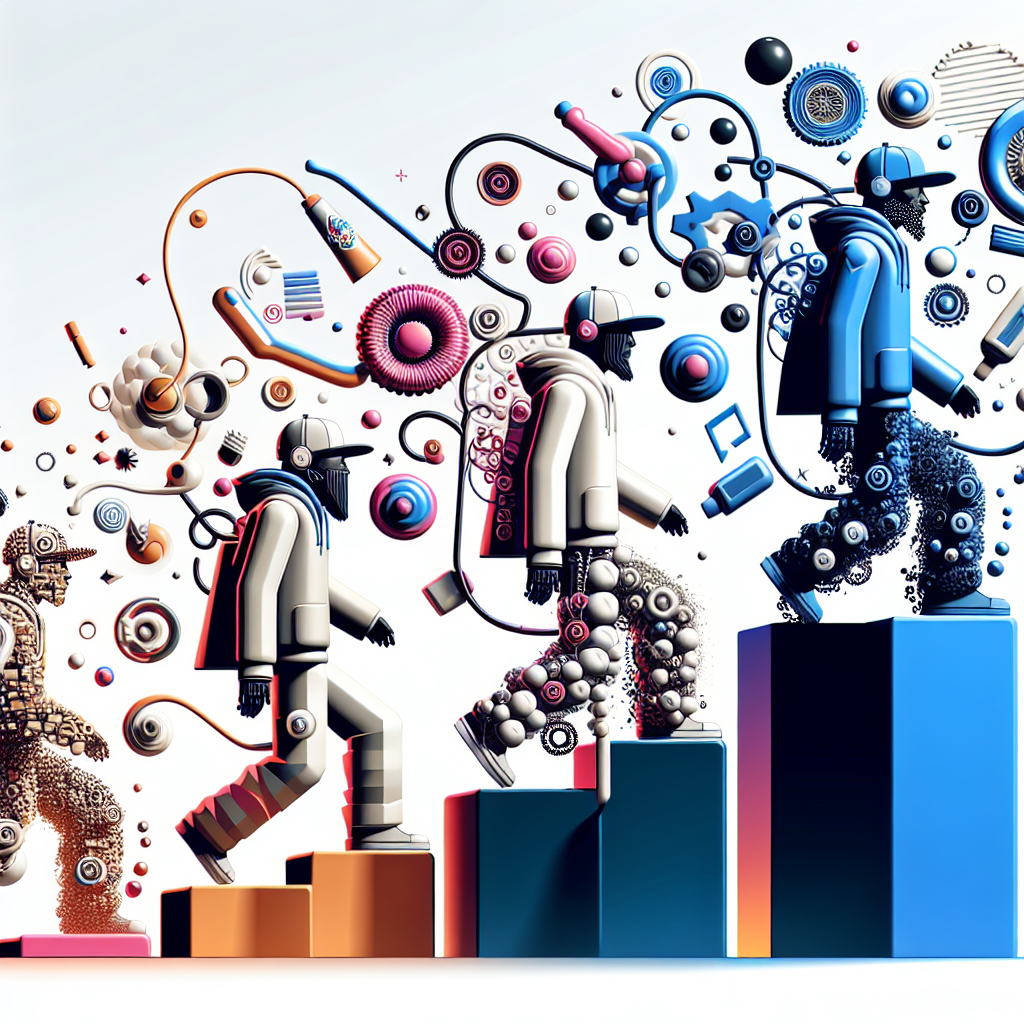

Unraveling the messy trio of 'Ghetto, Gutter & Gangsta' is quite the intellectual rodeo—one that not enough people dare to approach. Yet, who can ignore the vivid picture of these 'cultural phenomena' sprouting particularly in urban America, and dominating every corner from music to fashion? It’s a unique brand developed over decades, meant to showcase rebellion and survival when conventional means seemed out of reach. But boy, what a quagmire! This has redefined entire communities since the late 20th century, forming a cultural signature that's hard to shake—or applaud, for that matter.
Let's talk raw truth. Too many people champion this 'Gangsta' mindset as if it’s a badge of honor, flaunting it in rap lyrics and movies as an authentic expression of life on the streets. But it begs the righteous question: is glorifying violence, drugs, and irresponsible behavior really something to brag about? This ‘keeping it real’ mantra has tied personal identity to destructive cycles, perpetuating stereotypes and stigmas, rather than education and achievement.
First off, the so-called 'Ghetto' aesthetic needs a better reputation, away from the grit of systemic neglect. But let's not kid ourselves. Living paycheck to paycheck in a worn-down apartment can push people toward desperate choices. Instead of focusing on uplifting communities, some activists proclaim these conditions as cultural richness. How convenient to gloss over the real issues, hiding the truth behind policies that do anything but lift communities out of poverty. Instead of transforming the ghetto into places of prosperity, you end up with a version of 'Gutter' culture, that can't seem to shrug off its fascination with deprivation.
Where's the push for excellence? Where's the outcry to encourage business start-ups, educational reform, and family stability? They’re not squeaky-clean points, but they hold the essence of evolving beyond the vicious cycles. Communities could thrive unimaginable heights if more focus was given to self-reliance and work ethic instead of blame games. What happened to living the American Dream? Seems like these days, some folks are content with merely surviving within the same narrative.
Next, let's dissect the 'Gangsta' etiquette. Do you ever wonder why there’s a premium on living out a ‘thug life’ when law-abiding pathways exist? Could it perhaps be influenced by unrealistic portrayals in media, where gang culture is dressed up as glamorous and edgy? We've got whole communities, primarily young people, hooked on a lifestyle mired in chaos. It leads to self-destruction rather than self-improvement. The real 'gangsta' move? Refusing to succumb to the prison of low expectations and liberating oneself through hard work and resilience.
Urban areas often become a political chessboard where political elites craft policies claiming to ‘help’ but in truth, keep these communities shackled in cycles that plow into the 'Gutter'. Is it any surprise that when voters consistently swing towards one side, they receive breadcrumbs in return? Such a strategy fosters dependence, keeping these cycles active to gain voter ownership rather than absolute emancipation.
If you have protective instincts, you might see these issues through a lens of sympathy. But be warned. Sympathy doesn't solve structural issues. Exacting change does. Years of harnessing the energy of internal communities towards mentorships, building locally-owned businesses, and integrating functional job programs spark real, tangible change. Mentoring young people, showcasing entrepreneurship, and building a sturdy cultural fabric is where the focus should be.
So what’s the verdict? Dismantling the warped glamour of ‘Ghetto, Gutter & Gangsta’ might ruffle feathers, but ensuring that communities float above stereotypes instead of sinking beneath them is worth every ounce of introspection. People are more than their circumstances. Conceiving solutions rooted in self-efficiency and education, rather than victim paradigms, can radically redefine lives. America has room for infinite success stories – if only those trapped in this cultural web would seize it.