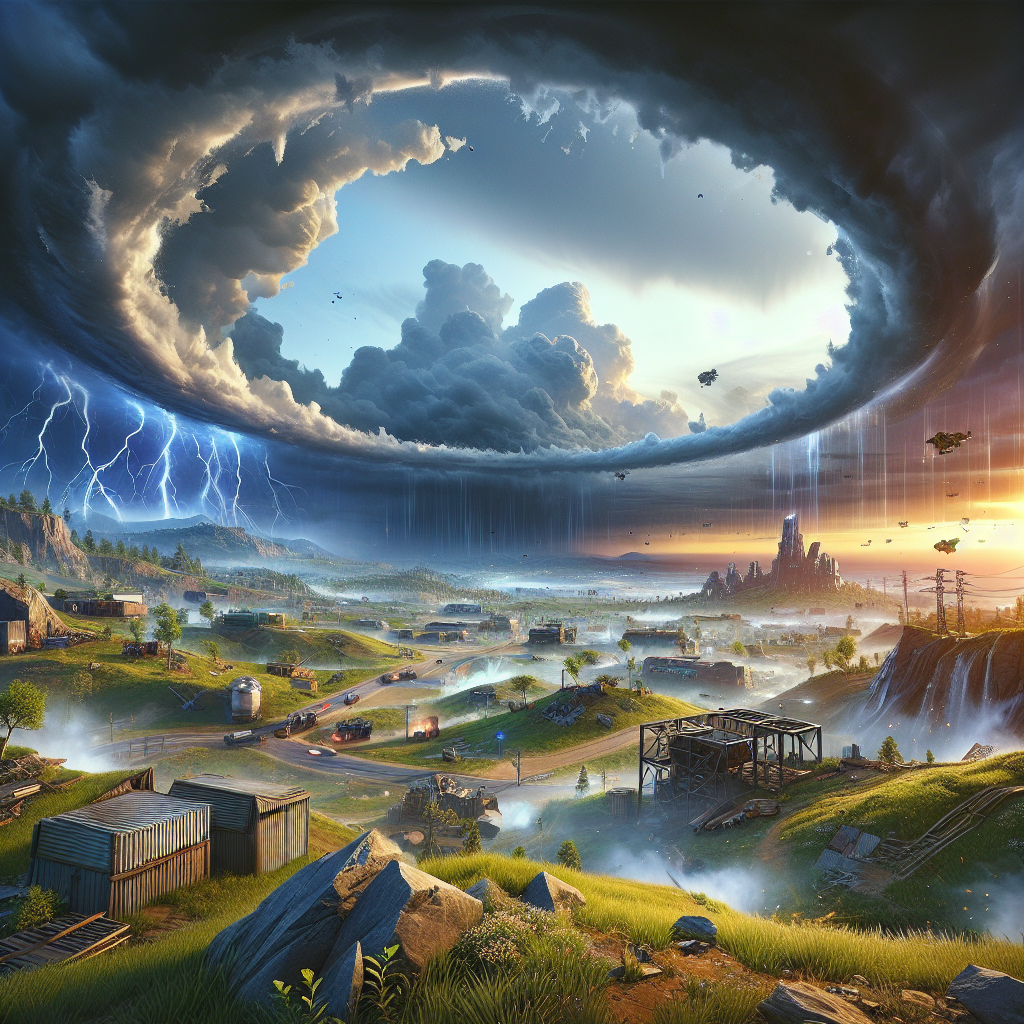

Fortnite Battle Royale: The Game That Liberals Love to Hate
Fortnite Battle Royale, the game that took the world by storm in 2017, has become a cultural phenomenon that has left a significant mark on the gaming industry. Developed by Epic Games, this free-to-play battle royale game pits 100 players against each other on a massive island, where they must scavenge for weapons, build structures, and outlast their opponents to be the last one standing. With its vibrant graphics, engaging gameplay, and constant updates, Fortnite has attracted millions of players worldwide, from teenagers in their bedrooms to celebrities on their private jets. But why is it that this seemingly innocent game has become a target for criticism from certain political circles?
First off, let's talk about the game's undeniable success. Fortnite has managed to generate billions in revenue through its in-game purchases, despite being free to play. This is capitalism at its finest, folks. The game's developers have created a product that people love and are willing to spend money on, and they've been rewarded handsomely for it. Yet, some people can't stand the idea of a company making money off a successful product. They'd rather see the wealth distributed evenly, even if it means stifling innovation and creativity.
Then there's the issue of competition. Fortnite is all about being the best, outsmarting your opponents, and coming out on top. It's a game that rewards skill, strategy, and perseverance. But in a world where everyone gets a participation trophy, the idea of a winner-takes-all game is almost offensive. The notion that some players are better than others and deserve to win is a hard pill to swallow for those who believe in leveling the playing field at all costs.
Let's not forget the game's portrayal of violence. Sure, Fortnite is a cartoonish, over-the-top game where players shoot each other with colorful weapons, but it's still a game about survival and combat. Critics argue that it desensitizes players to violence and promotes aggressive behavior. But let's be real here: Fortnite is no more violent than the classic games many of us grew up with. It's a fantasy world where players can escape reality for a while, not a training ground for future criminals.
The game's social aspect is another point of contention. Fortnite allows players to team up with friends or strangers from around the world, fostering a sense of community and camaraderie. But some argue that this online interaction is replacing real-life socialization, leading to a generation of socially awkward individuals. However, in an increasingly digital world, online communication is just as valid as face-to-face interaction. It's a new way of connecting, and it's here to stay.
And let's talk about the game's influence on pop culture. Fortnite has become a platform for artists, musicians, and brands to reach a massive audience. From in-game concerts featuring top artists to collaborations with major franchises, Fortnite has become a cultural juggernaut. But some see this as a commercialization of art and culture, a sellout move that prioritizes profit over authenticity. Yet, isn't it a testament to the game's impact that so many want to be a part of it?
Finally, there's the issue of screen time. Critics argue that Fortnite is addictive and keeps players glued to their screens for hours on end. But isn't that the point of a good game? To be so engaging and entertaining that you lose track of time? It's up to individuals and parents to set boundaries and manage their time, not the game's responsibility to babysit its players.
In the end, Fortnite Battle Royale is more than just a game. It's a reflection of our society's values and priorities. It's a testament to the power of innovation, competition, and community. And while some may criticize it for various reasons, its success speaks for itself. So, whether you're a fan or a critic, one thing is clear: Fortnite isn't going anywhere anytime soon.