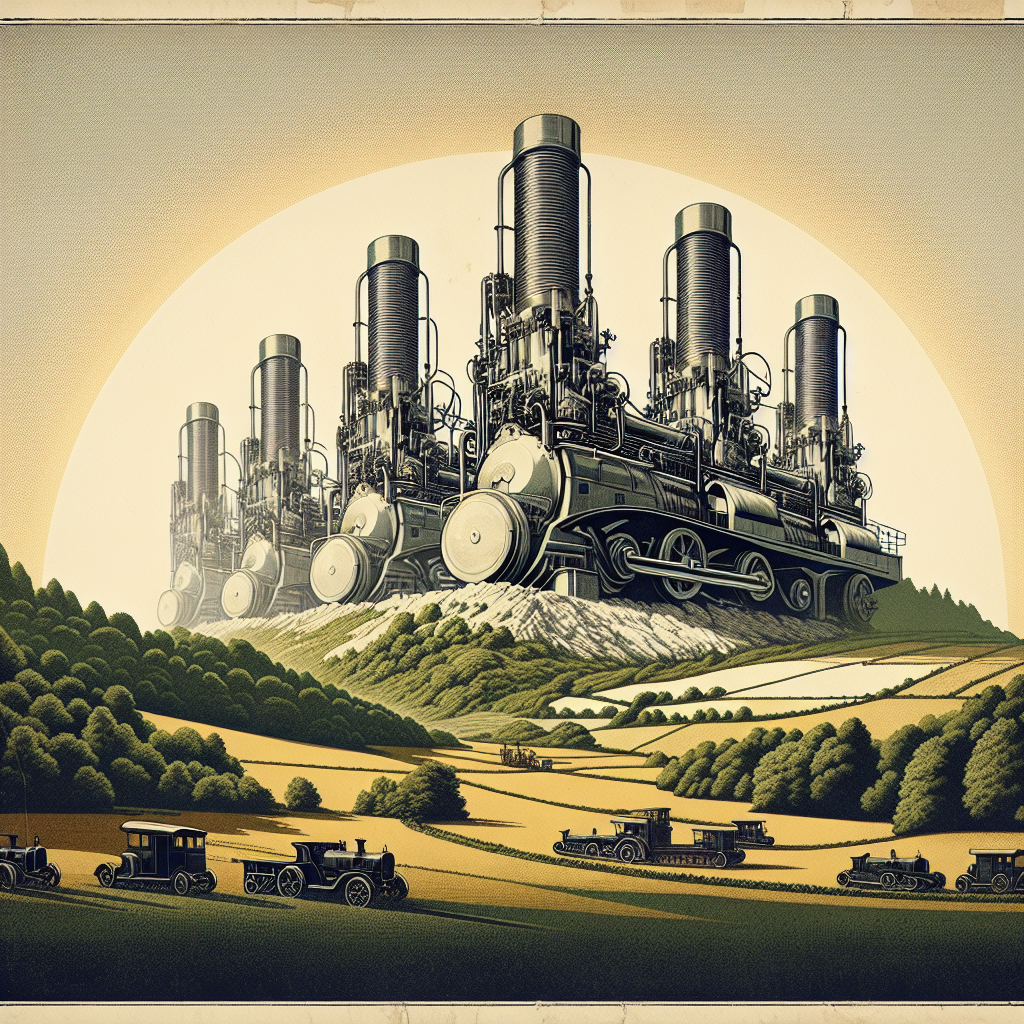

The Roar of Progress: English Electric Diesel Engines
Picture this: the 1950s, a time when rock 'n' roll was shaking up the music scene, and English Electric diesel engines were revolutionizing the railways. These mechanical marvels were the brainchild of the English Electric Company, a British industrial powerhouse that decided to take the world of transportation by storm. The company, founded in 1918, was based in Preston, Lancashire, and by the mid-20th century, it was ready to leave its mark on the rail industry. The why is simple: the world was moving fast, and steam engines just couldn't keep up. Diesel engines were the future, and English Electric was determined to lead the charge.
Now, let's talk about why these engines were such a big deal. First off, they were a symbol of British engineering prowess. At a time when the world was still recovering from the ravages of World War II, English Electric diesel engines represented a new era of innovation and efficiency. They were more reliable, required less maintenance, and were far more economical than their steam-powered predecessors. This was a game-changer for the rail industry, which had long been plagued by the inefficiencies of steam locomotives.
English Electric didn't just stop at making engines; they went all out, producing entire locomotives that were exported worldwide. Their engines powered some of the most iconic trains of the era, including the British Rail Class 37 and Class 55 "Deltic" locomotives. These beasts were not only powerful but also had a distinctive sound that became synonymous with British railways. The Deltic, in particular, was a masterpiece of engineering, with its unique triangular engine design that delivered unparalleled power and speed.
But let's not forget the impact these engines had on the global stage. English Electric diesel engines were exported to countries far and wide, from Australia to Africa, and even to the United States. They were a testament to British engineering excellence and helped cement the UK's reputation as a leader in industrial innovation. These engines were more than just machines; they were ambassadors of British ingenuity, spreading the gospel of diesel power across the globe.
Of course, not everyone was thrilled with the rise of diesel engines. There were those who clung to the romanticism of steam, lamenting the loss of the iconic steam locomotive. But progress waits for no one, and the diesel revolution was unstoppable. English Electric was at the forefront of this movement, and their engines became the gold standard for railways around the world.
The legacy of English Electric diesel engines is still felt today. While the company itself may have faded into history, its impact on the rail industry is undeniable. The innovations they introduced paved the way for modern diesel and electric locomotives, which continue to power the railways of the world. The roar of an English Electric engine is a reminder of a time when British engineering was at its peak, and the world was on the cusp of a new era of transportation.
So, the next time you see a diesel locomotive thundering down the tracks, take a moment to appreciate the legacy of English Electric. These engines were more than just machines; they were a symbol of progress, a testament to human ingenuity, and a reminder that sometimes, the roar of an engine can be the sound of history being made.