
The Dutch Reformed Church: A Pillar of Tradition in Alexandria
Picture this: a quaint town in South Africa, Alexandria, where the Dutch Reformed Church stands as a testament to unwavering tradition and faith. Established in the 19th century, this church has been a cornerstone of the community, offering spiritual guidance and a sense of belonging to its congregants. The Dutch Reformed Church, with its roots deeply embedded in Calvinist theology, has been a beacon of conservative values, resisting the tides of modernity that threaten to erode its foundational beliefs. In a world where change is often equated with progress, this church remains steadfast, a symbol of resistance against the relentless push for liberalization.
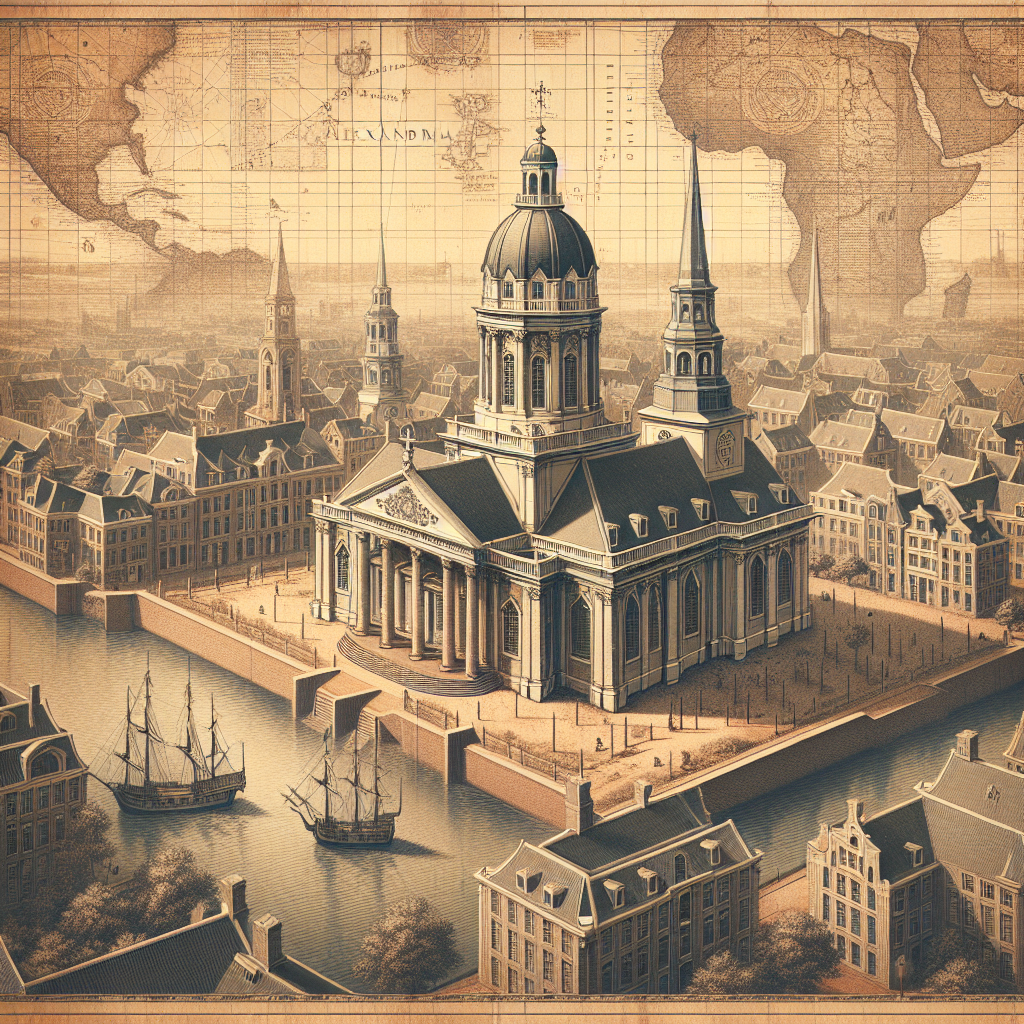
The architecture of the Dutch Reformed Church in Alexandria is a sight to behold. Its towering spire and classic design are reminiscent of a time when craftsmanship and attention to detail were paramount. This isn't just a building; it's a monument to the past, a reminder of the values that built a community. While some may argue that such structures are relics of a bygone era, the church stands firm, a physical manifestation of the enduring principles it represents. It's a place where tradition is not just preserved but celebrated, a stark contrast to the ever-changing landscape of modern society.
The congregation of the Dutch Reformed Church is a tight-knit community, bound together by shared beliefs and a common purpose. In a world where individualism is often championed, this church offers a sense of unity and collective identity. It's a place where people come together, not just to worship, but to support one another in times of need. The church's teachings emphasize the importance of family, community, and moral integrity, values that are increasingly rare in today's society. For those who seek a return to these principles, the Dutch Reformed Church is a sanctuary, a refuge from the chaos of the modern world.
The church's leadership is unapologetically conservative, a stance that has drawn criticism from those who advocate for more progressive interpretations of scripture. But for the Dutch Reformed Church, the Bible is not a document to be reinterpreted to fit the whims of contemporary culture. It is the unchanging word of God, a guide for living a life of righteousness and virtue. This commitment to doctrinal purity is what sets the church apart, a commitment that is unwavering in the face of external pressures to conform.
Education is another area where the Dutch Reformed Church has made its mark. The church has long been a proponent of Christian education, advocating for schools that teach not just academic subjects but also instill moral and ethical values. In a world where education is often stripped of any moral framework, the church's approach is a breath of fresh air. It's about more than just producing students who can pass exams; it's about shaping individuals who will contribute positively to society.
Critics may argue that the Dutch Reformed Church is out of touch with the modern world, but perhaps it's the world that's out of touch with the values that truly matter. In a society that often prioritizes self-interest and moral relativism, the church offers a different path, one that is rooted in timeless truths and enduring principles. It's a path that may not be popular, but it's one that has stood the test of time.
The Dutch Reformed Church in Alexandria is more than just a place of worship; it's a bastion of tradition and a defender of conservative values. In a world that is constantly changing, it offers a sense of stability and continuity. For those who are weary of the relentless march of progressivism, the church is a reminder that some things are worth holding onto. It's a call to return to the values that have sustained communities for generations, a call that resonates with those who long for a return to a simpler, more principled way of life.