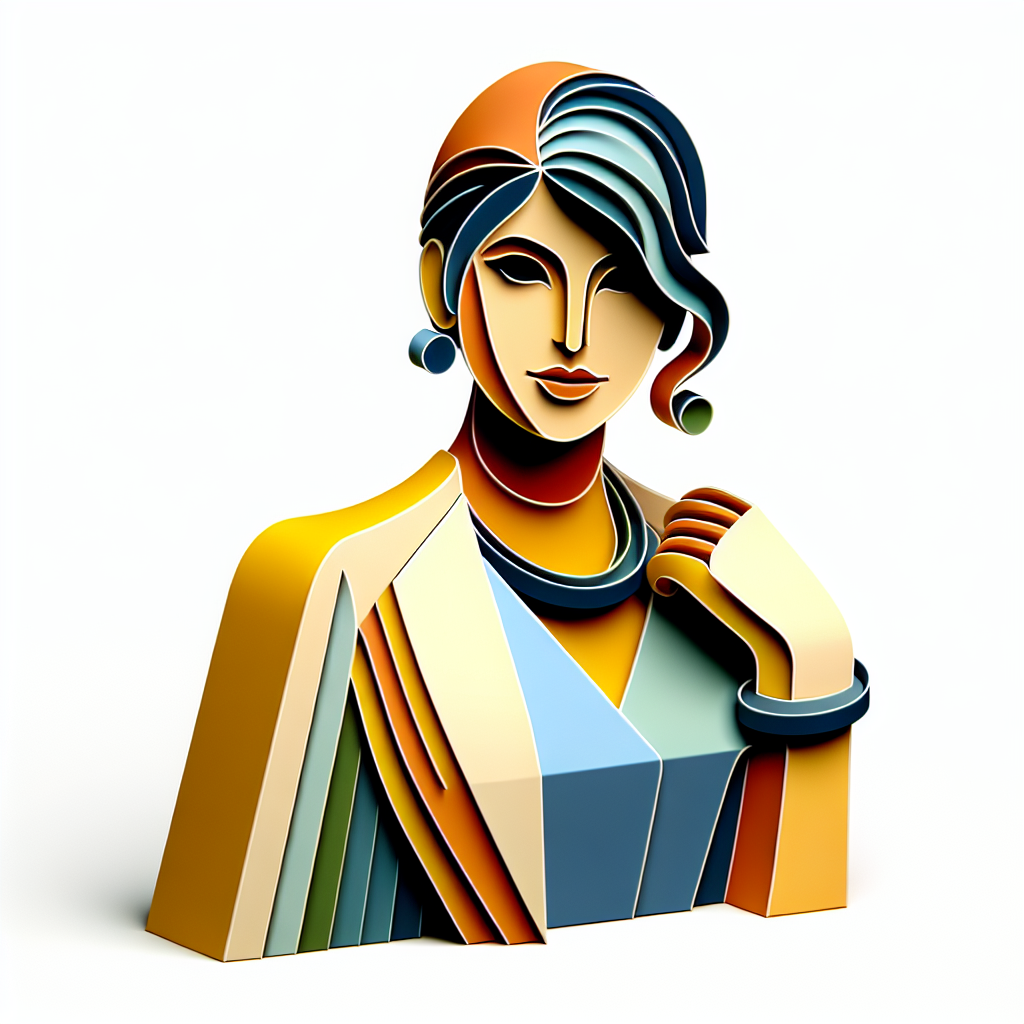

When was the last time a magazine made waves like Die Dame? Published from 1912 to 1943 in the heart of Germany, this weekly periodical was much more than ink pressed onto paper. Die Dame, translated to The Lady, positioned itself at the intersection of culture, fashion, and politics, offering content that reflected the growth of women's independence during the Weimar Republic and beyond. But, behind its sophisticated façade, did it perpetuate elitist ideals that wreak havoc on the moral fabric of society even today?
Die Dame did what few publications dared; it painted a picture of a new kind of woman. She wasn’t shackled by the domestic confines that tradition once dictated. Instead, she reveled in the latest fashion, opulent art, and cutting-edge commentary about the world around her. The magazine didn't just showcase clothes; it showcased a lifestyle, one that was both aspirational and, at times, daresay, unattainable for the average maiden on the cobblestone streets.
Yet, what exactly did Die Dame stand for? Was it a beacon lighting the path toward gender equality, or a meticulously crafted fantasy to keep the female gaze aimed at couture rather than her country's growing political turmoils? As much as it was a harbinger for change, it was still a product of its era—a time where glossy pages could offer a sense of escapism from mounting socio-economic woes.
Consider its early days, when Die Dame dove headfirst into the world of arts and politics, showing readers a high-brow gallery of modernism mixed with traditional femininity. This wasn’t just a magazine but a curated experience that defined an era. Advertisements for perfumes and fashions from Berlin’s boulevards became interwoven with musings on contemporary issues, playing out like a siren song to women burnt out by mundane chores and post-war anxieties. Imagine the gall of a woman thumbing through the richly colored pages, thinking—maybe, just maybe—the future had something brighter, and she had a role in it!
The reality behind the fantasy, however, leads to questions of cultural elitism and consumerism which continue to resonate today. Designed for affluent audiences, Die Dame encapsulated the spirit of the Roaring Twenties—a time when liberalization saw women begin to embrace freedoms once denied. Yet, it walked a delicate tightrope between fostering empowerment and stoking conformity. While it was right to champion women’s issues, was it wrong in masking commercial desires as progress?
In later years, as political landscapes shifted and the winds of change chilled, Die Dame adapted, vying for survival amidst the rising tide of National Socialism. During the early 1930s, its tone and content evolved—perhaps out of necessity, perhaps out of submission. Publications had to navigate the dangerous political changes, balancing between the allure of progressive ideals and the fierce grasp of authoritarian rule. This dance on the razor's edge led it to its end just as World War II loomed.
While we ponder the legacy left by Die Dame, it's a rich territory for reflection. A century has passed since its initial publication, and its echoes remain. It informs the dialogue about modern media's role in shaping—and at times distorting—our notion of progress and femininity. Are today’s glossies modern-day Die Dames, playing the same game under the guise of promoting empowerment? As fiercely as we debate this, one fact remains: Die Dame stood as a cultural monument of its day, breaking the mold while feeding the flames of aspiration, despite the roads it paved possibly benefiting from both noble and self-indulgent intentions.
One could attribute the seamless fusion of culture, fashion, and social dialogue to a conscious effort to navigate a world post-World War I—a testament to its time and, perhaps, a cautionary note pointing to the future as once again, consumerism and elite aspirations often clash with common realities.
The exploration of Die Dame isn't just about a publication; it’s a look into the heart of a period marked by change and conflict. Can society balance aspiration and reality, empowerment and consumption, progress and conformity without falling into the same traps laid out a century ago? In remembering Die Dame, we're reminded that history is both a mirror and a teacher regarding where we might be heading next.