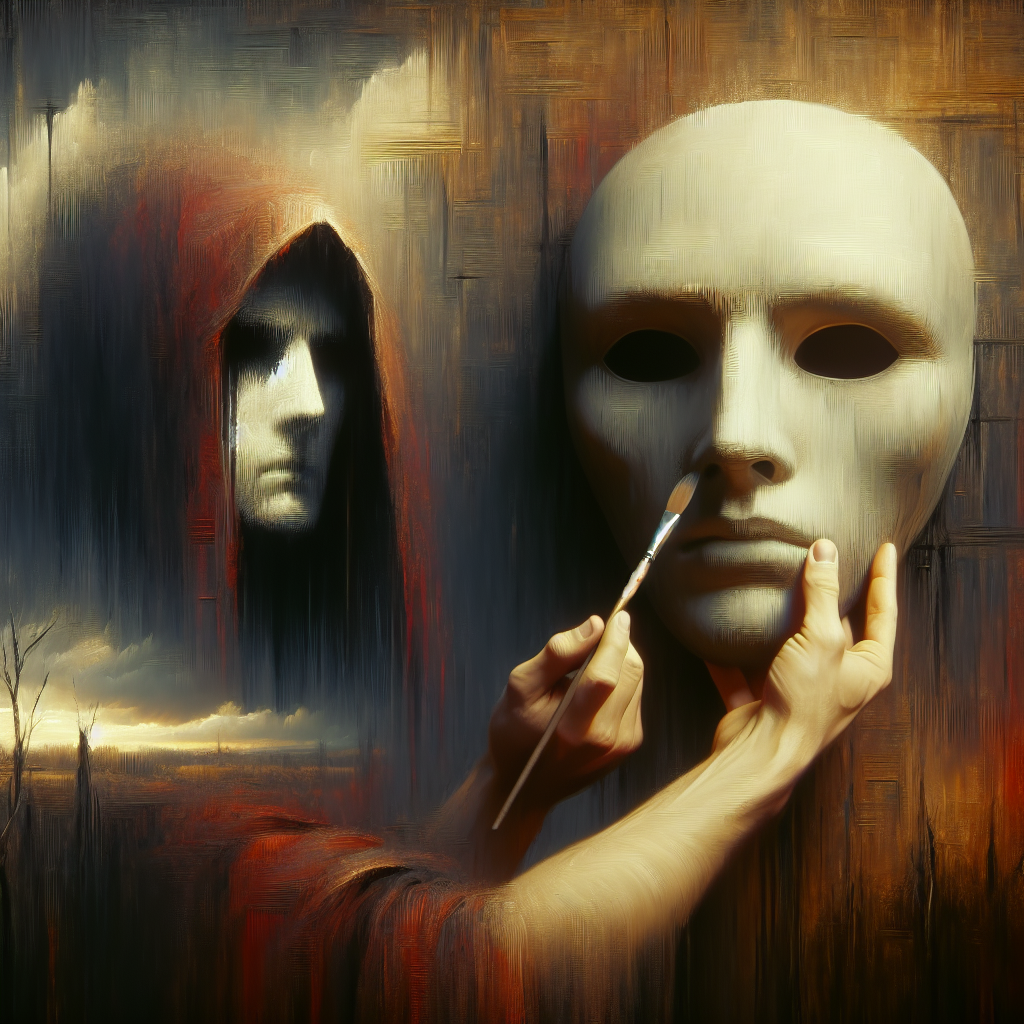

The Death Mask of Political Correctness
Imagine a world where political correctness is the death mask of free speech, suffocating the very essence of open dialogue. This is not a dystopian novel; it's the reality we face today. In the United States, particularly in the last decade, the rise of political correctness has become a straitjacket for honest conversation. From college campuses to corporate boardrooms, the fear of offending someone has led to a culture of self-censorship. The who, what, when, where, and why of this phenomenon are clear: it's the progressive elite, pushing their agenda, in the modern era, across the Western world, to control the narrative and silence dissent.
First, let's talk about the absurdity of safe spaces. These are the intellectual equivalent of a padded room, designed to protect fragile minds from the harsh realities of differing opinions. Instead of fostering resilience and critical thinking, they encourage a victim mentality. The idea that words can be as harmful as physical violence is not only laughable but dangerous. It infantilizes adults and stifles the robust debate necessary for a healthy democracy.
Next, consider the language police. These self-appointed guardians of speech dictate what can and cannot be said, often with no regard for context or intent. The result? A chilling effect on free expression. People are afraid to speak their minds, lest they be labeled as bigots or worse. This Orwellian nightmare is not just a threat to individual liberty but to the very fabric of society. When language is controlled, thought is controlled, and when thought is controlled, freedom is lost.
Then there's the issue of cultural appropriation. The idea that borrowing elements from another culture is inherently disrespectful is as ridiculous as it is hypocritical. Cultures have been borrowing from each other for centuries, and it's this exchange that has enriched human civilization. The notion that only certain people can enjoy certain cultural expressions is not only divisive but regressive. It reduces individuals to mere representatives of their race or ethnicity, stripping them of their personal agency.
Let's not forget the cancel culture mob. This digital lynch mob is quick to judge and even quicker to punish. One wrong tweet, one misinterpreted comment, and you're out. Careers are destroyed, reputations tarnished, all in the name of social justice. But what justice is there in denying someone the opportunity to learn from their mistakes? This punitive approach does nothing to foster understanding or growth; it only breeds resentment and fear.
The obsession with identity politics is another symptom of this malaise. By focusing on what divides us rather than what unites us, it creates a society of perpetual grievance. Instead of celebrating our shared humanity, it encourages people to see themselves as victims of an oppressive system. This mindset is not only disempowering but corrosive. It undermines the very principles of meritocracy and individual responsibility that have been the bedrock of Western success.
The media, of course, plays a significant role in perpetuating this madness. With their relentless focus on outrage and scandal, they amplify the voices of the few at the expense of the many. The result is a distorted view of reality, where the most extreme opinions are given the most airtime. This not only skews public perception but also fuels division and mistrust.
The education system is complicit too. Instead of teaching students how to think critically, it indoctrinates them with a particular worldview. The emphasis on diversity and inclusion, while well-intentioned, often comes at the expense of intellectual diversity. Students are taught what to think, not how to think, and this is a disservice to them and to society as a whole.
Finally, there's the hypocrisy of it all. Those who preach tolerance and inclusivity are often the least tolerant of differing viewpoints. They demand respect for their beliefs while showing none for others. This double standard is not only infuriating but also counterproductive. It alienates potential allies and entrenches opposition.
The death mask of political correctness is a threat to the very foundations of our society. It stifles free speech, undermines individual responsibility, and fosters division. It's time to rip off this mask and confront the reality beneath. Only then can we hope to restore the principles of open dialogue and mutual respect that are essential for a thriving democracy.