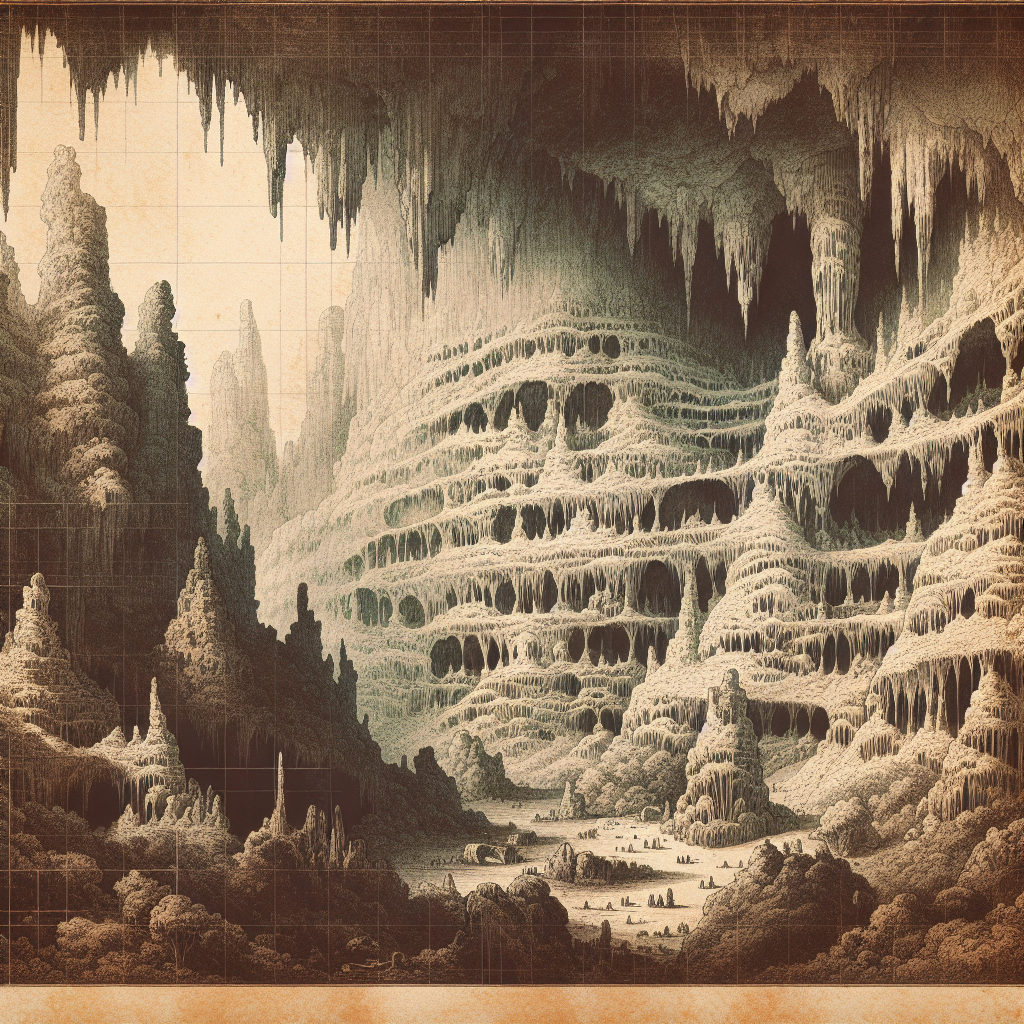

The Hidden Gem of Spain: Cueva de la Pileta
Imagine a place where time stands still, where ancient secrets are etched into the walls, and where the echoes of prehistoric life whisper through the darkness. Welcome to Cueva de la Pileta, a mesmerizing cave located in the Andalusian mountains of Spain. Discovered in 1905 by a local farmer named José Bullón, this cave is a treasure trove of prehistoric art and artifacts, dating back to the Upper Paleolithic period. Nestled near the town of Benaoján, Cueva de la Pileta offers a rare glimpse into the lives of our ancestors, showcasing over 3,000 paintings and engravings that have survived the test of time. But why should we care about this ancient wonder? Because it challenges the modern narrative that humans have only recently become sophisticated beings.
First, let's talk about the art. The paintings in Cueva de la Pileta are not just random doodles; they are intricate depictions of animals, symbols, and abstract shapes. These artworks suggest that our ancestors possessed a level of intelligence and creativity that many today would find surprising. The cave's art includes images of horses, goats, and fish, as well as mysterious symbols that have yet to be fully understood. This challenges the liberal notion that early humans were simple-minded brutes. Instead, it paints a picture of a society capable of abstract thought and artistic expression.
Next, consider the tools and artifacts found within the cave. Archaeologists have uncovered a variety of stone tools and pottery fragments, indicating that the cave was not just a canvas for art but also a hub of daily activity. These findings suggest that the inhabitants of Cueva de la Pileta were skilled craftsmen, capable of creating tools and utensils to aid in their survival. This flies in the face of the progressive belief that technological advancement is a recent phenomenon. Our ancestors were innovators, adapting to their environment with ingenuity and resourcefulness.
The location of Cueva de la Pileta is also significant. Situated in the rugged mountains of Andalusia, the cave's remote setting would have provided a natural fortress against predators and rival tribes. This strategic choice of location demonstrates a level of foresight and planning that contradicts the idea that early humans were merely nomadic wanderers. The cave's inhabitants were not just surviving; they were thriving, building a community in a place that offered both protection and resources.
Furthermore, the discovery of Cueva de la Pileta in the early 20th century highlights the importance of preserving our cultural heritage. In an age where historical monuments are often neglected or destroyed, this cave serves as a reminder of the value of our past. It is a testament to the resilience of human creativity and the enduring power of art. By preserving sites like Cueva de la Pileta, we honor the achievements of our ancestors and ensure that future generations can learn from their legacy.
Finally, Cueva de la Pileta challenges the modern obsession with progress and technology. In a world where digital screens dominate our lives, this ancient cave reminds us of the beauty and simplicity of the natural world. It encourages us to step back from the chaos of modern life and appreciate the wonders of our planet. The cave's timeless beauty serves as a reminder that true progress is not measured by technological advancements but by our ability to connect with the world around us.
In summary, Cueva de la Pileta is more than just a cave; it is a window into the past, a testament to human ingenuity, and a challenge to modern assumptions. It reminds us that our ancestors were not primitive beings but complex individuals capable of art, innovation, and strategic thinking. As we continue to explore and preserve sites like Cueva de la Pileta, we gain a deeper understanding of our shared history and the remarkable journey of human civilization.