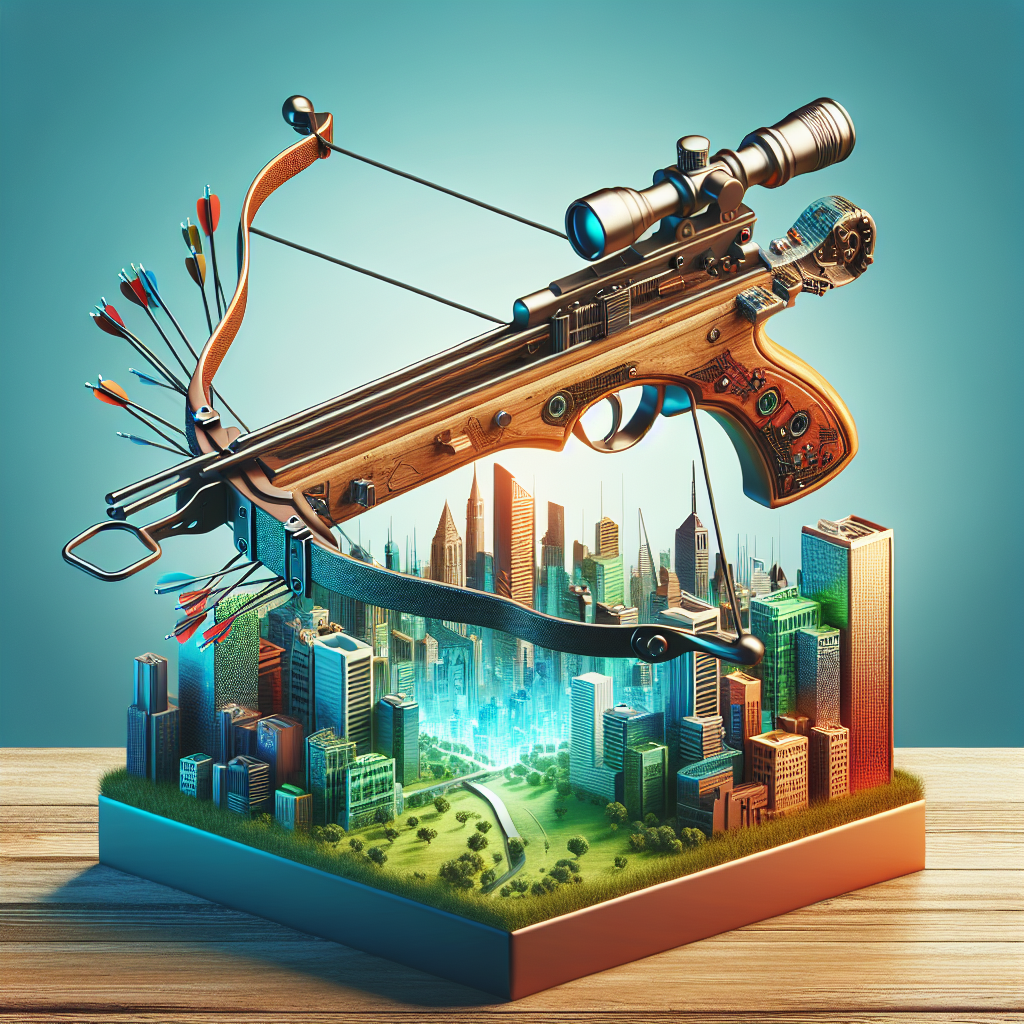

Crossbows might just be the epitome of human ingenuity and tradition meshed into one lethal contraption—not quite the darling of modern artillery, but let’s be real: who doesn't appreciate a stealthy projectile tool that whispers through the air? Whether wielded by ancient warriors protecting their lands, or modern sportsmen testing their skill and patience during hunting season, the crossbow has always commanded attention. Lucky for enthusiasts, technology has taken this historic weapon and cranked it up a few notches, blending centuries of evolution with contemporary engineering marvels.
First, let's appreciate the historical significance. Crossbows date back to as early as 600 BC in ancient China, used effectively in warfare thanks to their power and range. Fast forward to medieval Europe, and they featured prominently in military tactics, turning battles with their deadly efficiency. Now, why does this matter today? Because understanding its roots gives us an insight into why modern crossbow technology tugs at the strings of enthusiasts and professionals alike—striking a balance between tradition and modern-day advancements.
Today's crossbows are not your medieval knight's clumsy sidearm. We've transcended the rudimentary wooden frames to sleek designs made of lightweight composites and aerospace-grade aluminum. Precision-machined rail systems, ergonomic grips, and adjustable stocks make them not only deadly but deceptively comfortable to handle. Add in scope mounts, illuminated reticles, and quiet string dampeners, and modern crossbows reveal their true nature: a harmonious blend of art and science.
Moving on to power, modern crossbows pack a punch that would make the Great Wall cower in awe. With draw weights ranging from 150 to 200 pounds and speeds exceeding 400 feet per second, crossbows deliver accurate and powerful shots over impressive distances. If distance and lethality were a currency, crossbows would be the prized stocks everyone wants a piece of.
The technology doesn't stop at power; it transitions into versatility just as well. Today’s crossbows accommodate various bolt sizes and styles, whether you prefer carbon fiber bolts for lightweight speed or aluminum bolts for enhanced durability. Adding to this, many crossbows feature adjustable rails allowing users to tweak projectile path, speed, and efficiency, making each shot as customizable as a smartphone’s wallpaper.
One of the significant technological advancements in crossbows today is the cocking mechanism. Requiring far less brute strength, today’s crossbows are equipped with cocking devices that include cranks, ropes, and even built-in systems leveraged by hydraulic power. These engineering wonders are game-changers, allowing people of varying physical strengths to wield them with ease.
Now let's touch on safety, because as much as we appreciate power, crossbows aren’t fun if they misfire. Modern crossbows feature auto-safety engages and dry-fire inhibitors to prevent mishaps. Built-in anti-vibration technology and noise suppression systems not only increase safety but elevate comfort, ensuring the crossbow is a trusty companion rather than a skittering liability.
Thermal imaging and laser rangefinders have catapulted crossbows into the digital age, letting hunters enjoy their sport even in conditions where our ancestors would've faltered. Night vision optics, integrated directly into scopes, now allow accurate shots at dawn, dusk, or midnight. Because waiting for the right lighting is so last century, wouldn't you agree?
The crossbow’s technology boom has given rise to a vibrant accessories market. Broadheads with razor-sharp edges designed for maximum penetration and expansion make America's favorite pastime not only doable but downright thrilling. Self-adjusting reticles are as common as camouflage in hunting circles, ensuring no shot is wasted.
Moreover, crossbows have inspired a surge in competitive sports, blending archery’s tradition with modern flair. Tournaments and challenges attract enthusiasts eager to pit their prowess against the clock and fellow hunters. Scores are kept using rules and technology unheard of in past centuries.
However, don’t get the impression that modern crossbows are just mechanical beasts; they remain a testament to the seamless collaboration of craftsmanship and cutting-edge technology. Engineers and designers continue to push the boundaries, refining crossbow technology to near perfection. These weapons are not just about raw power; they exemplify human achievement and innovation, a crowning jewel of the 21st century untainted by frivolous liberal formulaic complaints about progress.
In the end, crossbows embody a serious combination of heritage and innovation, a quintessential fusion of the past, present, and future. For those who appreciate the crossroads where history meets cutting-edge technology, the crossbow is a silent but formidable symbol of resistance, precision, and refinement.