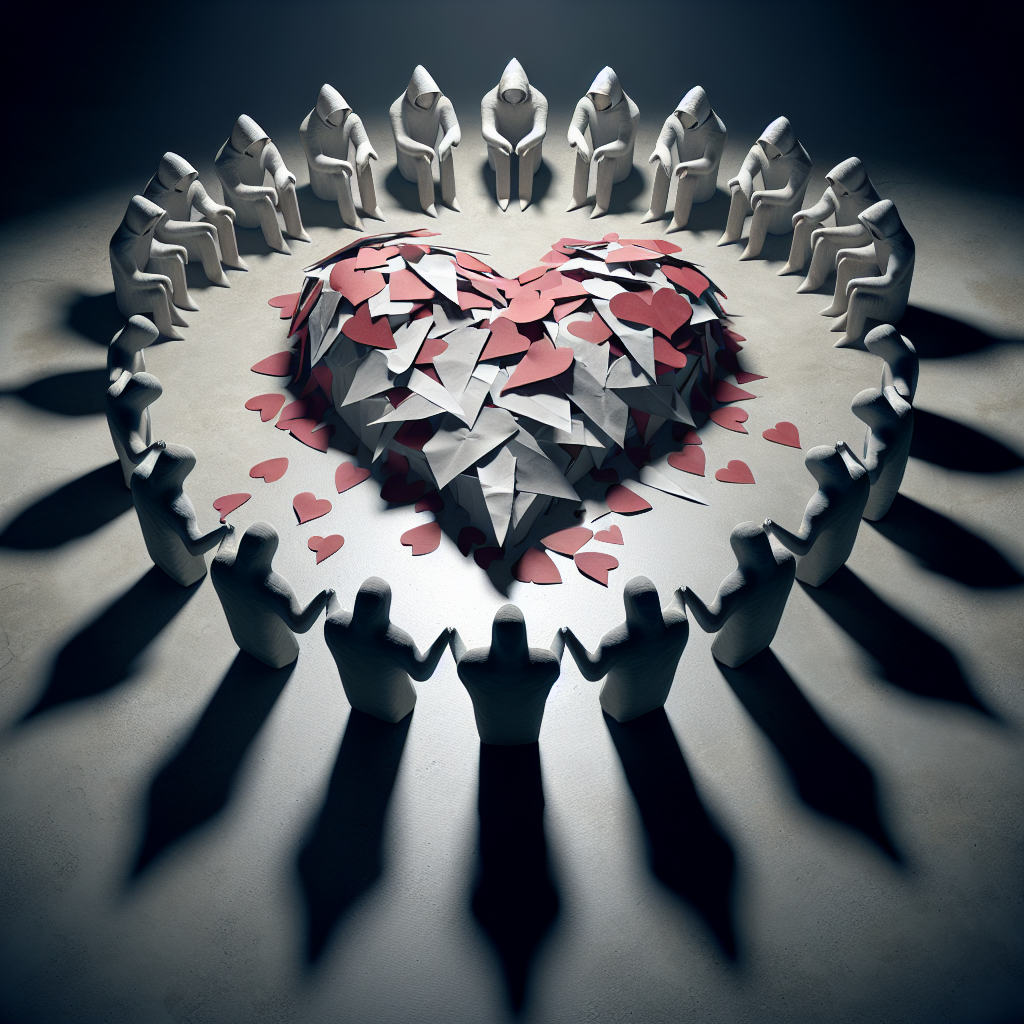

The Left's Love Affair with Victimhood
In the bustling streets of San Francisco, a city known for its progressive ideals, a peculiar phenomenon is taking place. It's not a new tech startup or a groundbreaking scientific discovery. No, it's the rise of the professional victim. This trend has been gaining momentum over the past decade, and it's not just confined to the Bay Area. From college campuses to corporate boardrooms, the art of victimhood is being perfected and celebrated. But why is this happening, and who stands to gain from it?
First, let's talk about the who. The champions of this movement are often those who feel marginalized or oppressed, whether by race, gender, or socioeconomic status. But it's not just about personal grievances. It's about creating a narrative that positions them as perpetual victims of an unjust system. This narrative is then amplified by social media, where likes and retweets serve as validation. The more victimized you appear, the more attention you receive. It's a vicious cycle that rewards those who can best articulate their suffering.
Now, the what. This isn't just about individuals seeking sympathy. It's about a broader cultural shift that prioritizes feelings over facts. In this new world, personal experiences are elevated above objective reality. If someone feels oppressed, then they are oppressed, regardless of the actual circumstances. This mindset has infiltrated everything from academia to politics, where emotional appeals often trump logical arguments.
The when is now. This isn't some distant future we're talking about. It's happening right before our eyes. Every day, new stories emerge of people claiming victim status for the most trivial of reasons. Whether it's a microaggression in the workplace or a perceived slight on social media, there's no shortage of grievances to be aired. And with each new complaint, the culture of victimhood grows stronger.
As for the where, it's everywhere. From the hallowed halls of Ivy League universities to the bustling streets of major cities, the cult of victimhood knows no bounds. It's a global phenomenon that's spreading like wildfire, fueled by a media landscape that thrives on controversy and conflict. In this environment, being a victim is not just a personal identity; it's a badge of honor.
But why is this happening? The answer is simple: power. In a world where traditional hierarchies are being challenged, victimhood has become a new form of currency. By positioning themselves as victims, individuals can gain sympathy, support, and even influence. It's a way to bypass the usual channels of power and authority, and it works. Just look at the rise of social justice movements, which have successfully leveraged victimhood to effect real change.
Of course, this isn't to say that all claims of victimhood are illegitimate. There are real injustices in the world that need to be addressed. But when victimhood becomes a commodity, it loses its meaning. It becomes a tool for manipulation rather than a call for justice. And that's where the danger lies.
In this brave new world, the line between victim and oppressor is increasingly blurred. Those who once fought for equality and justice are now using the same tactics they once decried. It's a paradox that would be amusing if it weren't so damaging. By elevating victimhood to a virtue, we risk creating a society where everyone is a victim and no one is accountable.
So, what's the solution? It's time to reject the cult of victimhood and embrace a culture of resilience. Instead of wallowing in self-pity, we should celebrate those who overcome adversity and achieve greatness. Instead of rewarding victimhood, we should reward strength and perseverance. Only then can we hope to build a society that values truth over feelings and facts over fiction.