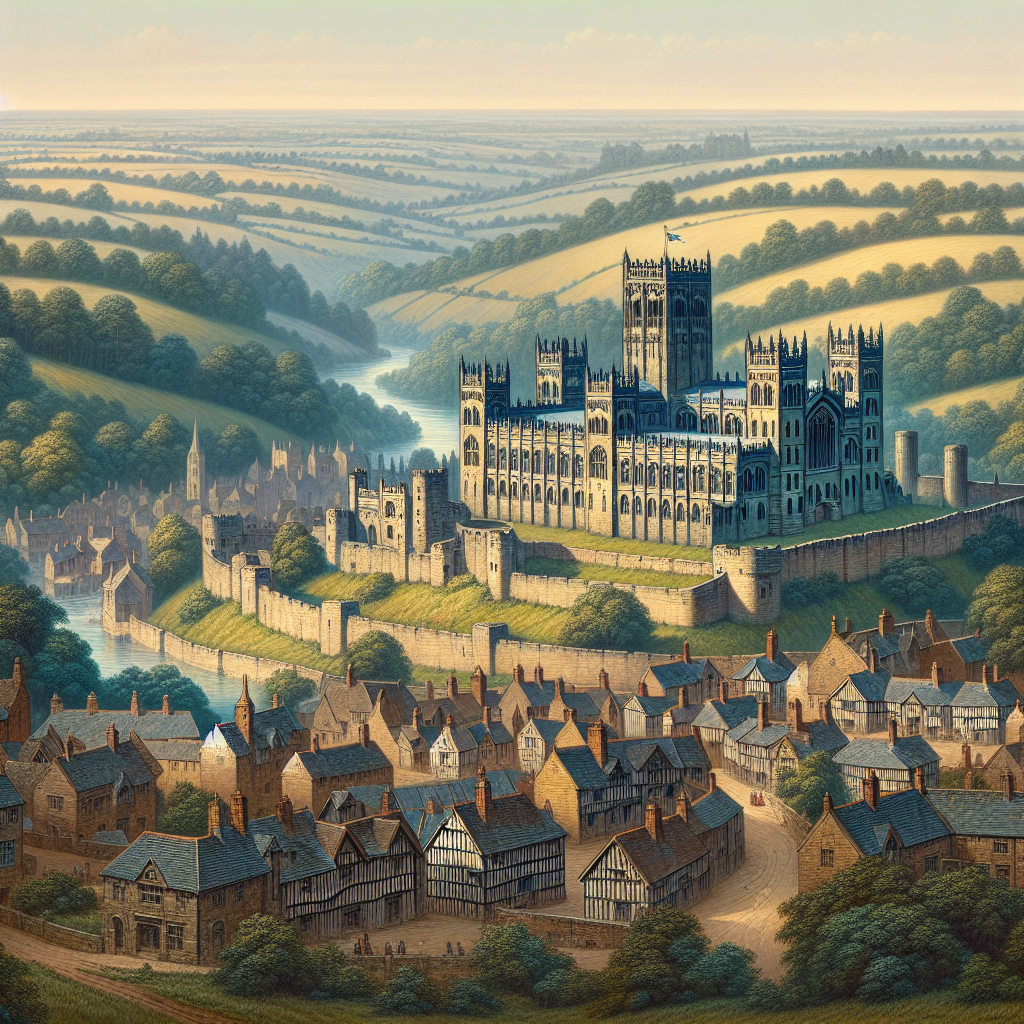

If you’re tired of the relentless march of modernity trampling over centuries of heritage, then the County Palatine of Durham is the throwback to English tradition you've been searching for. Nestled in the northeast of England, this stronghold was established in 1071 by William the Conqueror and has thrived as a bastion of old-school governance long before the liberal agenda could lay its claim.
A Legacy of Power and Autonomy: Long before the nanny state was a concept, the County Palatine of Durham enjoyed a unique status of autonomy. Conferred upon its first Prince-Bishop by the Norman Conquest’s own William the Conqueror, this county has wielded judicial and military powers akin to those of a king. Unlike the rest of England, where monarchs quashed local leaders' powers, Durham’s Prince-Bishops ruled with an authority that made them more than mere figments of ecclesiastical decorum.
A Hub of Religious Influence: Forget secularism; religious power structures have been alive and kicking here for nearly a millennium. The Prince-Bishops of Durham were, to put it mildly, no trifling ministers. They were clerical titans who played both spiritual shepherds and temporal lords. It's a model that has quietly kept mores well-rooted while some other regions fell for faddish ideologies.
Geographic Strategy at its Best: With its prime locale nestled between the rivers Tees and Tyne, this land offers not just picturesque vistas but strategic advantages. It’s no surprise that Durham became a fortress of fortitude and defiance, maintaining a vigilant eye against the Scottish bogeymen up north. Borders protected by rivers - you might say Durham knew a thing or two about ‘building the wall’ and keeping what's ours, ours.
Economic Pragmatism: The economic efficacy of Durham stands as testimony to conservative financial prudence. The area embraced coal mining long before sustainability became the liberal catchphrase du jour, fueling the Industrial Revolution that put Britain on the map. Today’s tech industries reap from seeds planted by those who recognized the beauty of black-gold fossil fuels.
Culturally Conservative Values: Durham remains a beacon for those who cherish cultural heritage and tradition. Visit its historic Cathedral and you'll sense the palpable weight of a narrative running counter to today’s disposable culture. This isn’t a place for those seeking sensationalism but for those striving for stability and lasting values.
Educational Excellence without Political Indoctrination: Durham University stands as a stalwart of higher education steeped in rigorous academics instead of post-modern mumbo jumbo. Established in 1832, it’s one of the UK’s oldest institutions, surviving through time by promoting intellectualism rather than trendy political correctness.
Legal Structure that Commands Respect: With strong traditions of law and order, the County Palatine boasts a history where law isn’t just a set of mutable guidelines but a cornerstone of civil society. The local Assizes and courts were paramount in providing a justice system long before some faction decided “defunding” was a plausible alternative.
Preservation of English Architecture: Walking through Durham is like stepping into a time machine showcasing masterpieces of English Gothic architecture. It doesn’t yield to the ugly sprawl of 'modern' high-rises that destroy local character under the guise of progress.
Community Cohesion Over Anonymity: Cooperative communities in Durham aren’t just buzzwords crafted for media sensationalism; they’re tangible realities. These are neighborhoods where identities matter and people aren’t just data points in a bureaucratic spreadsheet.
A Locus of Loyalty and Patriotic Spirit: The people of Durham have long held a reputation for loyalty—to country, to church, and to fellow citizens. This isn’t a place swayed by populist waves that surrender national pride for globalization's trap.
In a world rapidly chasing the ephemeral pop culture highs, the County Palatine of Durham stands resolute, just as it did when it gained its empowered autonomy nearly a thousand years ago. Whether it's its historical dominance, cultural persistence, or strong local governance, Durham embodies the virtues that many might argue have been too eagerly sidelined.