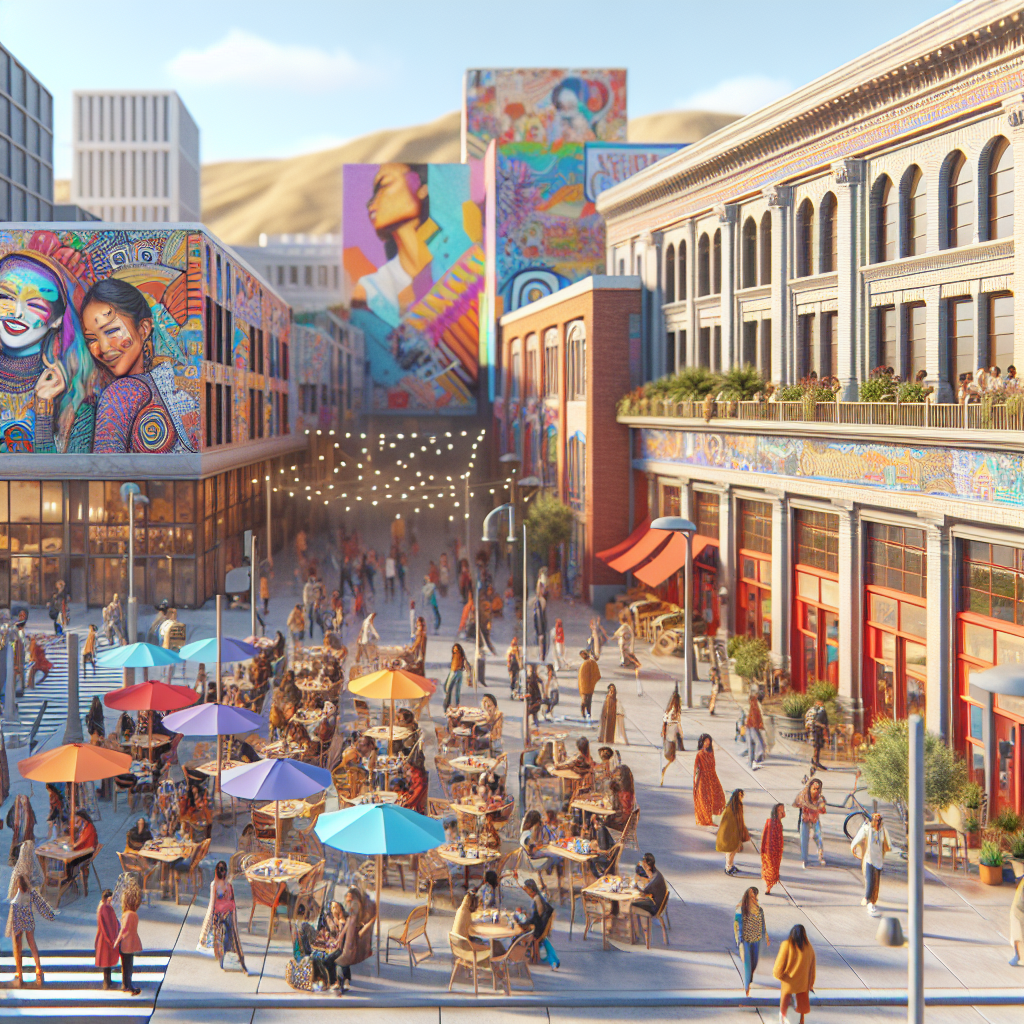

Christopher Street: The Heartbeat of Woke Culture
Christopher Street, located in the vibrant West Village of Manhattan, is the epicenter of woke culture, where the progressive agenda is not just embraced but celebrated with fervor. This iconic street has been a hub for social activism since the 1960s, and today, it stands as a testament to the liberal ideology that has taken root in urban America. The street's history is rich with events that have shaped the modern social justice movement, making it a pilgrimage site for those who champion causes like LGBTQ+ rights, gender equality, and racial justice. But let's be real, Christopher Street is also a glaring example of how far the left will go to push their agenda.
First off, Christopher Street is a living, breathing museum of political correctness. Every corner is adorned with rainbow flags, and every shop window displays slogans that scream inclusivity. It's as if the street is in a constant state of protest, with every passerby ready to lecture you on the latest social justice issue. The street's residents and visitors alike seem to compete in a never-ending game of who can be the most "woke." It's a place where traditional values are not just questioned but outright dismissed.
The street's history is often romanticized by the left, who conveniently forget the chaos and disorder that accompanied the early days of activism. The Stonewall Riots of 1969, which took place on Christopher Street, are hailed as the birth of the modern LGBTQ+ movement. While it's true that these events were pivotal, they were also marked by violence and lawlessness. The left loves to paint these riots as a noble fight for rights, but let's not forget that they were also a blatant disregard for law and order.
Christopher Street is also a prime example of how the left's obsession with identity politics has spiraled out of control. The street is a microcosm of the liberal agenda, where every identity is celebrated except for those who hold conservative views. It's a place where diversity of thought is not welcome, and anyone who dares to question the prevailing narrative is quickly labeled as intolerant or bigoted. The irony is palpable; a street that prides itself on inclusivity is anything but inclusive to those who don't toe the liberal line.
The businesses on Christopher Street are a testament to the left's love affair with virtue signaling. From cafes that serve overpriced organic lattes to boutiques selling "resistance" merchandise, the street is a capitalist's dream wrapped in a socialist's rhetoric. It's a place where you can buy your way into the social justice movement, as long as you're willing to pay the price. The hypocrisy is staggering, but it's par for the course in a world where appearances matter more than substance.
Christopher Street is also a breeding ground for the left's favorite pastime: cancel culture. It's a place where one wrong word or action can lead to social exile. The street's residents and visitors are quick to judge and even quicker to condemn. It's a culture of fear, where everyone is walking on eggshells, terrified of saying the wrong thing. This is the world the left has created, a world where free speech is stifled, and dissent is not tolerated.
The street's influence extends far beyond its physical boundaries. It has become a symbol of the left's cultural dominance, a place where their values are not just accepted but enforced. It's a warning to those who dare to hold different views: conform or be cast out. Christopher Street is a microcosm of the world the left wants to create, a world where their ideology reigns supreme.
In the end, Christopher Street is a cautionary tale of what happens when the left's ideology goes unchecked. It's a place where traditional values are trampled, and dissenting voices are silenced. It's a reminder that the fight for free speech and individual liberty is far from over. So, the next time you find yourself on Christopher Street, take a moment to reflect on what it represents. It's not just a street; it's a battleground in the fight for the soul of America.