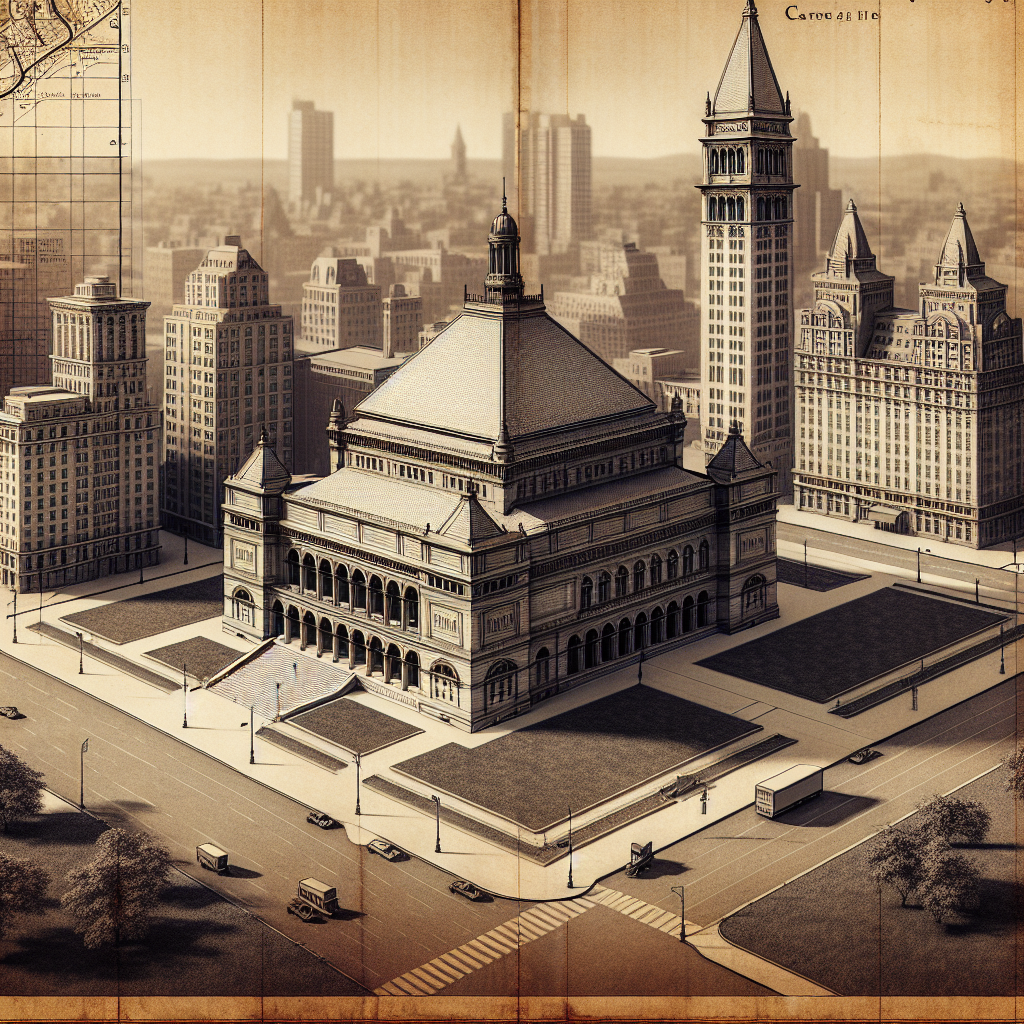

Carnegie Hall: A Bastion of Cultural Elitism
Carnegie Hall, the iconic concert venue located in the heart of New York City, has been a symbol of cultural elitism since its opening in 1891. Built by philanthropist Andrew Carnegie, this grandiose establishment has hosted countless performances by world-renowned musicians and artists. But let's not kid ourselves—Carnegie Hall is not just a place for music lovers; it's a playground for the rich and famous, a shrine to the liberal elite who claim to champion the arts while simultaneously pricing out the average American.
First off, let's talk about the exclusivity. Tickets to events at Carnegie Hall can cost an arm and a leg, making it nearly impossible for the average Joe to attend. It's a place where the wealthy can flaunt their status, sipping on overpriced champagne while pretending to appreciate a symphony they probably don't understand. Meanwhile, the rest of us are left to enjoy music in our living rooms, far from the opulent halls of this so-called cultural mecca.
And then there's the programming. Sure, Carnegie Hall hosts some of the world's most talented musicians, but it also serves as a platform for the liberal agenda. From politically charged performances to artists who use their stage time to preach about social justice, it's clear that Carnegie Hall is more interested in pushing a narrative than simply providing entertainment. It's a place where the arts are used as a tool for indoctrination, rather than a means of bringing people together.
Let's not forget the location. Situated in one of the most expensive cities in the world, Carnegie Hall is a testament to the urban elite's stranglehold on culture. New York City, with its sky-high rents and exorbitant cost of living, is hardly accessible to the average American. Yet, Carnegie Hall remains a beacon for those who can afford to live in this liberal utopia, further alienating those who can't.
The history of Carnegie Hall is also worth examining. Built by Andrew Carnegie, a man who amassed his fortune through ruthless business practices, the hall is a monument to the very capitalism that the liberal elite claim to despise. It's ironic, really, that a venue built on the back of capitalism is now a haven for those who rail against it. But hypocrisy is nothing new in these circles.
And let's talk about the so-called "diversity" of performances. While Carnegie Hall may boast a wide range of musical genres, the reality is that it caters to a very specific audience. The programming is carefully curated to appeal to the tastes of the elite, leaving little room for the kind of music that resonates with everyday Americans. It's a place where classical music reigns supreme, while country, rock, and other genres are left out in the cold.
The media, of course, plays right into this narrative. They fawn over Carnegie Hall, painting it as a cultural institution that everyone should aspire to visit. But the truth is, it's just another example of the liberal elite's attempt to control the narrative, to dictate what is considered "high culture" and what is not. It's a place where the arts are used as a weapon, rather than a means of expression.
In the end, Carnegie Hall is a symbol of everything that's wrong with the cultural elite. It's a place where the rich can gather to pat themselves on the back, while the rest of us are left out in the cold. It's a venue that claims to champion the arts, but in reality, it's just another tool for the liberal agenda. So the next time you hear someone rave about Carnegie Hall, remember that it's not just a concert venue—it's a bastion of cultural elitism.