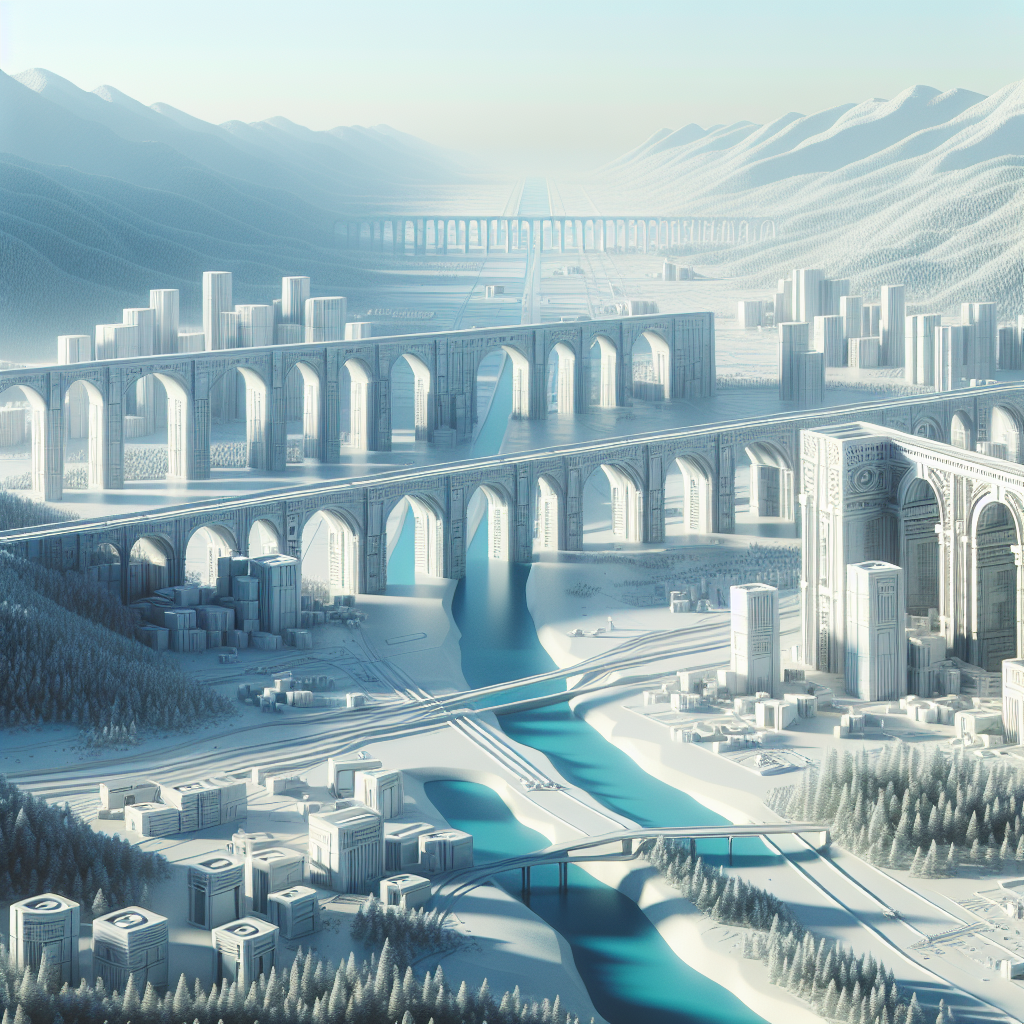

Prepare to have your mind blown by the Caldaccoli Aqueduct, a stunning architectural masterpiece hidden in the rural landscapes of Tuscany. Constructed during the late 16th century under the grand vision of Bernardo Buontalenti, who was no small-time architect but a prominent name in the engineering chronicles of the Renaissance, this aqueduct embodies a defiant testament to human ingenuity and ambition. Snaking through the Italian countryside with elegant arches that redefine beauty as we know it, the aqueduct was constructed to supply Pisa with water from the Caldecolli springs, supplying vital life resource to the city so that it could thrive and grow even during times of hardship.
Let’s cut to the chase and discuss the ten indisputable facts that make the Caldaccoli Aqueduct an unmissable historical gem. First up, the architecture is not just awe-inspiring, it's a slap in the face to modern-day developers who seem to think that glass and steel boxes have anything on ancient stone marvels. While today's so-called "architects" couldn't imagine a world beyond square buildings, the aqueduct sits proudly in the landscape, its arches echoing a world where beauty was a priority.
The second fact obliterates any myths perpetuated by those who claim ancient structures were rudimentary. The aqueduct, with its nearly 6 kilometers of arched pylons, showcases the sophistication of Renaissance engineering. Critics who denounce ancient innovations owe a debt of gratitude to such remarkable bridges between time and space. Those fine, elegant arches didn't just magically appear; they were carefully calculated, built with perseverance and vision, akin to the unwavering positions often professed by conservatives.
Let's get down to who actually built this marvel. Crafted by the hands of those who embodied hard work and craftsmanship, the Caldaccoli Aqueduct speaks against the modern tide of technology replacing skilled labor. Finished in 1589, it was a culmination of input from numerous unsung heroes. These weren't Starbucks-sipping hipsters with more opinions than skills; they were real workers who laid stone by stone to create a legacy.
Fourth, the maintenance of the aqueduct speaks volumes about the ongoing value of investments that focus on the long term. This isn’t some crumbling ruin that liberals might dismiss as a relic of the past. Even after centuries, many sections remain robustly intact, a statement of durability that has long been forgotten in favor of disposable construction and planned obsolescence.
Let's consider its impact: The water supply it provided to Pisa literally changed the course of history for the city. The fifth fact is how it bolstered the local economy and fortified healthcare access. It's a historical lesson in responsible resource management that today's world should seriously heed.
Next, we have to acknowledge its place in tourism and cultural preservation. That this architectural genius remains a relatively well-kept secret is almost a crime against cultural patrimony. Unlike massive tourist traps, this site offers an authentic exploration of history. Why settle on commercialized culture when you can encounter genuine heritage? Maybe it's time to question what gets preserved and advertised.
The seventh point to make is its ecological significance. While green energy is all the buzz today, historical structures like Caldaccoli are, in fact, sustainable exemplars because they used gravity-fed systems for water transport — no carbon footprint, just intelligent design. Such wise planning is shockingly absent in many modern developments with more concern for appearances than functionality.
The eighth aspect underscores progress in technology over time without disregarding the past, something conservative thought champions. While it was undeniably a product of its time, it managed to be ahead of its time, combining nature's laws with human creativity. Proof that innovation doesn't always mean turning one's back to tried and tested principles.
Ninth, it stands as an example of political foresight that should inspire current leaders. The construction highlighted governmental commitment to the public good, rather than wasted budgets lining pockets for pointless projects with no lasting benefit.
Finally, the Caldaccoli Aqueduct is an enduring symbol of capable governance meeting public necessity, reminding us of the priorities that should define leadership: efficacy, accountability, and vision. Those with political correctness agendas might ignore such landmarks, but those prioritizing practicality and impact know better.
In an age where many are quick to dismiss the treasures of the past, the Caldaccoli Aqueduct offers a compelling narrative of resilience, creativity, and functionality — a paragon of what once was and what still can be. Discovering it is like finding that perfect merger of beauty and practicality, standing firm against the winds of time and trivial matters. That's something we could use a little more of today.