
Utah's Border: A Conservative Stronghold Liberals Love to Hate
Utah, a state known for its stunning landscapes and conservative values, has become a battleground for political ideologies. The border of Utah, particularly where it meets liberal-leaning states like Colorado and Nevada, is a fascinating microcosm of the cultural and political divide in America. This clash of values is not just a theoretical debate; it's a real-world conflict that plays out in the policies, lifestyles, and even the landscapes of these border regions. The question is, why does this border matter so much, and what does it reveal about the broader American political landscape?
First, let's talk about the people. Utah is home to a predominantly conservative population, with a strong emphasis on family values, religious freedom, and limited government. This is a state where the Second Amendment is cherished, and the idea of self-reliance is not just a talking point but a way of life. Contrast this with the neighboring states, where progressive policies often take center stage, and you have a recipe for tension. The people living on Utah's border are not just passive observers; they are active participants in a cultural and political tug-of-war.
The policies in Utah reflect its conservative ethos. This is a state that has consistently voted Republican in presidential elections, and its state government is dominated by the GOP. Utah's approach to issues like education, healthcare, and taxation is markedly different from its neighbors. For instance, Utah's education system emphasizes parental choice and local control, while states like Colorado have embraced more centralized, government-driven models. This difference in approach is not just academic; it affects the daily lives of people living on the border, who often have to navigate conflicting regulations and policies.
The timing of this border conflict is also significant. In recent years, the political divide in America has become more pronounced, and Utah's border is a frontline in this battle. As the nation grapples with issues like immigration, gun control, and climate change, the policies and values of Utah stand in stark contrast to those of its neighbors. This is not just a matter of political posturing; it's a real-world conflict that affects everything from economic development to social cohesion.
The location of Utah's border is also crucial. This is a region where the natural beauty of the landscape is matched only by the intensity of the political debate. The stunning vistas of the Rocky Mountains and the vast expanses of the desert are not just backdrops; they are integral to the identity of the people who live here. The land itself is a symbol of the rugged individualism and self-reliance that define Utah's conservative values. This is a place where the environment is not just something to be protected but something to be utilized and managed responsibly.
Finally, let's talk about why this border matters. The conflict between Utah and its neighbors is not just a local issue; it's a reflection of the broader cultural and political divide in America. This is a place where the rubber meets the road, where abstract political theories are put to the test in the real world. The policies and values of Utah are not just theoretical constructs; they are lived experiences that affect the daily lives of people on the border. This is a region where the stakes are high, and the outcomes matter not just for the people who live here but for the nation as a whole.
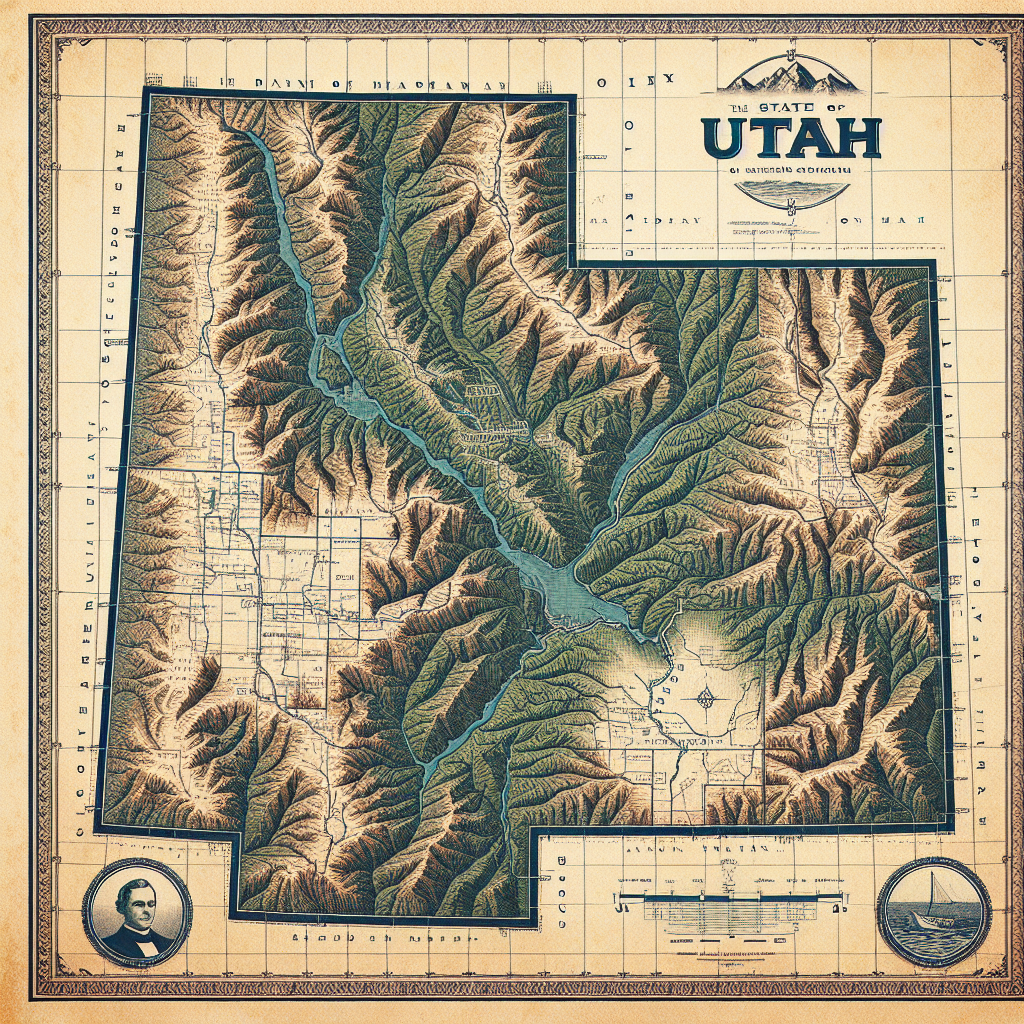
In the end, Utah's border is more than just a line on a map; it's a symbol of the cultural and political divide that defines America today. This is a place where conservative values are not just talked about but lived, where the clash of ideologies is not just a debate but a way of life. The border of Utah is a microcosm of the broader American experience, a place where the future of the nation is being decided one policy, one value, and one person at a time.