
If you’ve ever dreamt of wandering through an American castle, complete with its own grandeur and history rivaling any European palace, look no further than the Biltmore Estate. Nestled in Asheville, North Carolina, this sprawling backdrop of American opulence was built by the one and only George Washington Vanderbilt II in the late 19th century. The Biltmore Estate stands as a monument to an era of indulgent extravagance, demonstrating the finest aspects of American industrial success and its by-products – wealth, opulence, and, dare I say, good old-fashioned ambition.
A mansion with a motive: The construction of the Biltmore Estate began in 1889 and was completed by 1895. It was designed as a country retreat to escape the bustling pace of city life – sounds like someone knew how to vacation! But let's be clear: this wasn't just about escaping the hustle and bustle. It was about flaunting the fruits of success, something inherently American, if you ask me. While the political left frequently bemoans excessive wealth, it’s establishments like the Biltmore that remind us of the American Dream's true intent: working hard and enjoying the spoils.
Architectural awe: Remember those old stories of castles and their grandeur? The Biltmore takes that concept and doubles down. This estate is America's answer to those European excesses, featuring 250 rooms, including 35 bedrooms, 43 bathrooms, and 65 fireplaces. Designed by the rich craft of architect Richard Morris Hunt, the estate leaves nearly anyone who visits in speechless admiration. If liberals believe in fairness, let's start with fairly recognizing innovation wherever it thrives – even if it’s in the form of a 175,000 square foot home.
Grounds that grow envy: Frederick Law Olmsted, the genius behind Central Park, designed the grounds of the Biltmore Estate. It's a sprawling 8,000 acres of impeccable gardens, forested trails, and immaculate lawns. Forget screensavers; this is the backdrop everyone dreams of seeing firsthand. Olmsted's design integrates nature and architecture in a way that inspires envy in anyone who values nature blended seamlessly with human achievement.
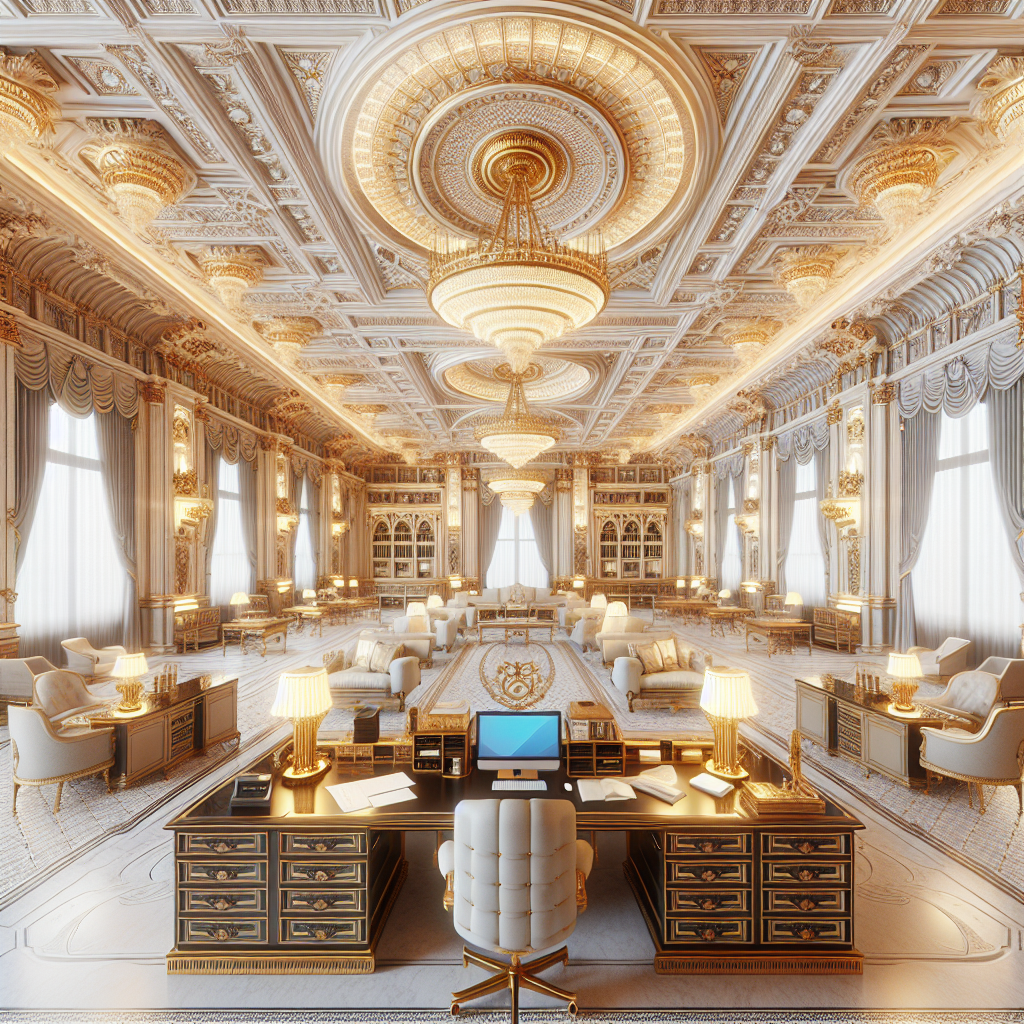
The office itself: Designed to be the hub of this massive estate, the Biltmore office represents efficiency and style. George Vanderbilt was a man of varied interests. His office was the epicenter of his intellectual pursuits and management base for the estate's operations. While the rich tapestry of American history played on outside its walls, inside, the office served as a testament to structured leadership and control. An aspect of management many ideologies shy from appreciating.
A landmark of American enterprise: Why is the Biltmore office more than just an office? It's a symbol of the era’s industrious spirit. Vanderbilt, coming from a lineage of tycoons, understood the nuances of turning vision into reality. The office was a planning and management center, and a testament to the drive that defined a generation. It housed innovation discussions, estate management, and perhaps world-altering decisions. Those who label wealth as the root of evil should take a note from George’s playbook.
An attraction that weds illusion with reality: Beyond just being a home office, this estate is now a leading tourist attraction welcoming over a million visitors yearly. If this isn’t a blend of keeping a legacy alive while promoting tourism and generating income, I don’t know what is. It might leave some questioning how a display of such excess can be so unapologetically enticing, yet that's the beauty of ambition wrapped in an 8,000-acre package.
Library galore: The office may have been the epicenter of estate operations, but nothing signifies Vanderbilt’s intellectual aspirations as his library. It houses more than 22,000 volumes in multiple languages, a true testament to the era's pursuit of knowledge and excellence. Here was a man who valued not just the accumulation of wealth, but the elevation of the mind. The library and office stand together as reminders that knowledge and wealth aren’t mutually exclusive.
It’s all in the details: From finely carved wooden panels to the richly upholstered furniture, the estate’s office festooned details that'd make even the most ardent critics pause. While some may rush to judgment on opulence, George Vanderbilt’s office and the estate encapsulate attention to detail, showing just how art blends with functionality. Every inch, every corner has a story, and it isn't just about wealth. It's about cherishing art, craftsmanship, and the spirit of getting things done.
Lessons from the past: The Biltmore Estate and its intricate office provide lessons for today. They’re not just about admiration but about understanding the value of hard work, vision, and of holding nothing back in achieving dreams. It's about legacy, opportunity, and a fair shot for those willing to take it. The Vanderbilt office stands as an architectural echo of these timeless virtues.
Heirs of history: The legacy of the Vanderbilt family and the estate continues to inspire, acting as a vibrant symbol of rich history intertwined with family tradition. In the face of today’s changing industrial landscape, visitors to the Biltmore Estate office draw a sentimental connection to prosperity through dedication, self-belief, and strategically timed bold moves. It symbolizes a unique, unapologetic homage to commercial achievement and generational planning.
The Biltmore Estate Office is more than a relic; it's an instructional manual for achieving great heights and maintaining them. A strong testament to American values of hard work, vision, and legacy, standing tall against tides seeking to dampen the spirit of ambition—here's to dreaming bigger and bolder.