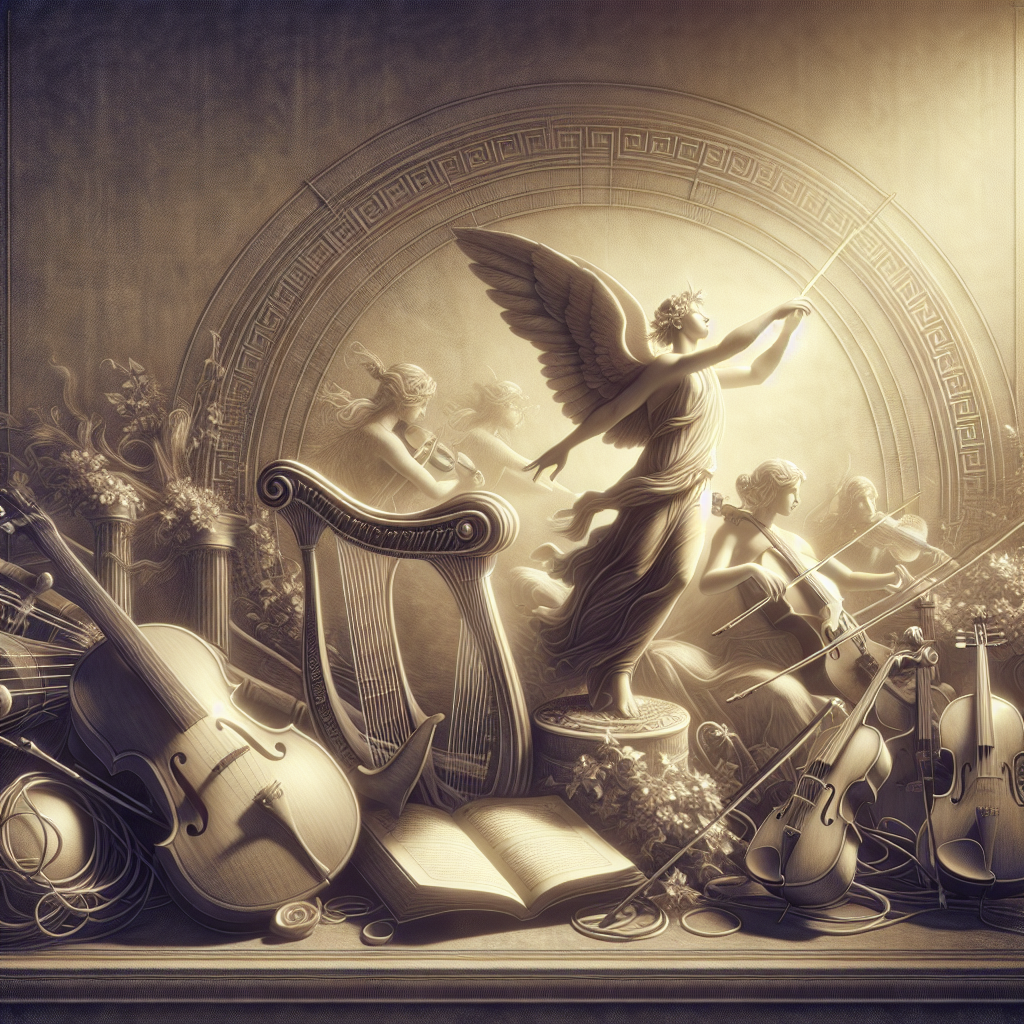

In the world of music, sometimes classical tunes are like the gym - everyone claims they're into it, but very few actually show up. Enter Arion, a record label that has been invigorating the classical sphere since its inception in 1963. Directed by Hubert d'Haese after its founding by Lucien Adès, Arion set out to take the classical industry back to its roots, or perhaps even further back, digging deep into the underappreciated and often overlooked corners of historical music. It's based in France, a country that understands a thing or two about preserving culture and tradition, while paradoxically sparking revolutions of all kinds - political, musical, or otherwise.
Arion, whose name echoes the legendary Greek musician whose music could tame wild beasts, has been hard at work making sure classical music can still charm the masses. Standing strong in a world dominated by pop culture, electronic dance beats, and admittedly, musical stars more famous for scandalous selfies than skill, Arion brings refinement, elegance, and a dash of nostalgia for those who long for music that doesn't need auto-tuning.
Now, what makes Arion stand out like a skyscraper in a flat landscape is their dedication to artistic integrity. They don't slap together just any record they can profit from, but instead, they invest in high-quality productions. With over 2,000 albums in their library, Arion digs past the dust-caked cover and into the heart of music history. They repurpose and remaster works that most contemporary listeners have never even heard of, or possibly never wanted to. Yet somehow, their mission is contagious, succeeding in capturing the hearts of music lovers passionate about authenticity.
Arion's scope is quite impressive. From medieval songs to baroque masterpieces, from the celestial harmonies of choral music to the intricate stories told through opera, they explore it all. Each genre offered is a reminder that music, like liberty, doesn’t thrive if forced into predetermined shapes or tick-box definitions. Their releases sometimes come from live performances, reviving the natural acoustics and authentic atmosphere that no electronic gadgetry or editing software can replicate.
Unlike the dominant players in the mainstream music industry, Arion does not cater to the fleeting trends of pop culture. They respect the timelessness of music that has stood, and will continue to stand, the test of time. A novel tactic, considering that many seem consumed with the ephemeral, the ‘now rather than the forever.’ While pop and rock can support the occasional political-social revolution, the classical geniuses of yesteryear remind us of the enduring narratives, conquering upheavals with artistry rather than anarchy.
The meticulous approach Arion takes with their rosters doesn’t end with just recording and mastering. They also focus on the providence of musicology, something that gives their albums a definitive edge. This comes with extensive liner notes and historical context. They're practically dabbling in The Arion School of Sound Studies (not a real institution, but maybe it should be). It's an education for the ears and the mind. You learn the intricacies of long-forgotten instruments and the stories behind each composition. It's edutainment at its finest.
In France, known for its fromage and flamboyant fêtes, Arion breathes life into the global art scene, proving that cultural refinement doesn’t always speak English. French music has always had an edge that's both rustic and revolutionary. Arion manages to capture this quintessential spirit and gift-wrap it into accessible, high-quality albums that resonate with listeners around the world. It's a cultural export that doesn't just contribute to France's proud musical heritage - it modernizes it in a way that still sticks to its origins.
Arion stands as a stalwart amidst the industry's chaos, upholding a sense of musical morality that few others dare even attempt. They're something of a metaphorical white knight, rescuing the depth and character of classical music and shielding it from dilution by conformist commercial interests. This perseverance may confuse the hipsters and skeptics alike, but it appears that success doesn’t always require bending to every trend. When others chase popularity, Arion enriches the world with the dignity of a bygone era.
In a time when liberals champion a societal melting pot, one might say Arion has chosen to uphold the best of the old, trusting in well-rooted traditions to nurture new growth. Their deliberate focus ensures a legacy that is both accessible and exclusive, simple yet sophisticated. This is not just music; it’s a rediscovery of identity revealed through the symphony of history itself.