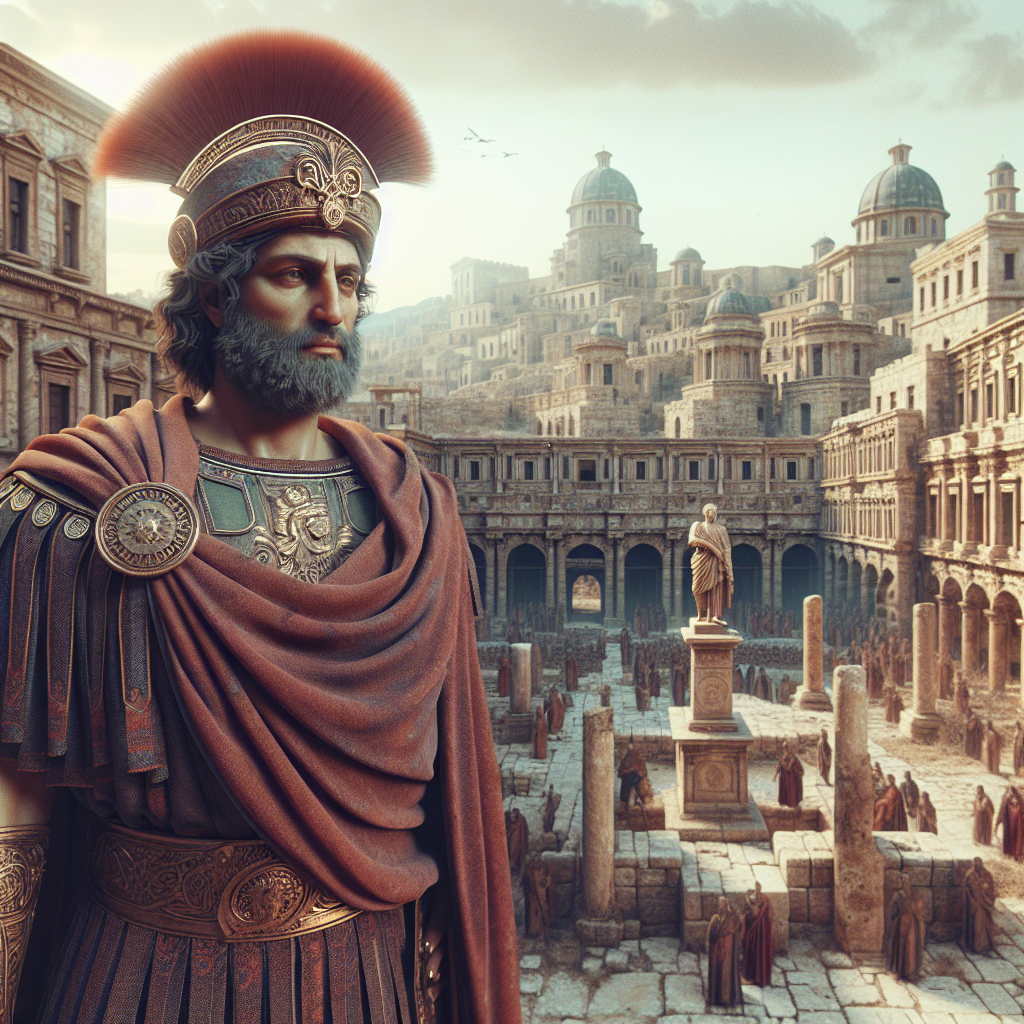

Picture a king who modern scholars barely discuss, a leader who changed the course of history in a region where Alexander the Great once roamed. Meet Apollodotus I, the Greek King of the Indo-Greeks, who ruled during the 2nd century BCE. We’re talking about the vast lands of northwestern India and eastern Afghanistan. This monarch, unlike many of his contemporaries obsessed with maintaining Greek culture, embraced and expanded his realm’s cultural tapestry. Why? Because he had an eye on solidifying power and influence in a world that teetered between East and West.
Now, let's set the stage. Apollodotus I ascended to power around 180 BCE. This wasn't some backyard throne; he was crowned in a realm stretching from the Hindu Kush to the banks of the Indus. His dynasty pulled off something remarkable: creating a blend of Hellenistic and local traditions that was crucial for administration and military efficiency. This great (yet underappreciated) king was a maestro in the art of statecraft.
One of Apollodotus' brilliant tactics was his minting of bilingual coins. That's right! Coins! They say money talks, and his coins spoke Greek on one side and Kharosthi, a local script, on the other. This was a bold move that unified diverse groups under his rule and streamlined taxation. Imagine the chaos of trying to tax a multicultural empire without a unifying currency. Yet, Apollodotus did it with panache. Funny enough, this biting imitation of today’s controversies shines brightly; a leader effectively managing a mixed society with solid fiscal policies. Sound familiar?
Here's where it gets interesting. Apollodotus wasn’t a tyrant who bulldozed over the cultures he ruled. Instead, he navigated them with an expertise that put today’s globalist pipe dreams to shame. He upheld Greek traditions but respected local ones—creating a power blend that was as pragmatic as it was philosophical. This man understood a lesson lost on our modern big-wigs: respecting existing traditions doesn’t equate to cultural erosion. It’s about synergy. And no, not the corporate gobbledygook kind, but the real, civilization-building kind.
Then there's military strategy. Apollodotus reigned during turbulent times, when ascendant powers threatened from all directions. Sounds a bit like the geopolitical arena of today, doesn’t it? He bolstered his defenses while expanding into strategically crucial territories. He wasn't indulging in wishful thinking like some of today's policymakers who toss borders to the wind. His defenses were practical and his expansions? Calculated. This king fought to protect his empire, not sell it out for short-term gains.
Let's not overlook populism—real populism, not the flavor of the month variety. Apollodotus connected with the people, earning their trust by safeguarding them and fostering prosperity. He wasn’t swayed by the elite’s empty doctrines; he obeyed the clear calls of the masses. Keeping the homeland strong and secure was his defining trait, yet today’s leaders only court that rhetoric embellishing empty speeches.
Curiously, historians argue over how long Apollodotus ruled, but it’s clear his reign catalyzed an era of cultural cohesion and regional strength. Between 160 BCE and 150 BCE, his policies forged a path for successors who expanded his vision. The Indo-Greek Kingdom eventually fragmented, but his influence endured. Handy for future rulers who would capitalize on this mixed legacy to elongate their reigns.
Relations with neighboring provinces weren’t neglected, either. He negotiated treaties and fostered trade—no open borders chaos here. Apollodotus knew where the line was and kept a thumb directly on the pulse of his multicultural empire. It’s that old-school diplomacy that modern democracies could learn a lot from, wouldn’t you say? All of this alliance-building without sacrificing sovereignty!
Understandably, Apollodotus I isn't a household name in Western education curriculum. He didn’t conform to the narrative of the noble savage or the chaotic Oriental other. He was a ruler balancing on the tightrope of tradition and adaptation, presenting a history remarkably relevant to our times. While today’s pundits brand cooperation across cultures as political platitudes, Apollodotus manifested that philosophy through one of history’s most influential and enduring legacies. His was not a story of utopian fantasies but pragmatic governance.
Apollodotus I showed us that reaching across cultural and political aisles not only works but solidly builds nations. It’s ironic how his reign bears testament to values often misinterpreted or weaponized by modern narratives. As the wind continues to blow across those ancient bastions he once ruled, evidence remains that enduring progress depends not on hollow appeasements but on strategic navigation of complex terrains. Isn’t it worth a pause to recognize how much more we have to learn from these half-forgotten chapters of history?