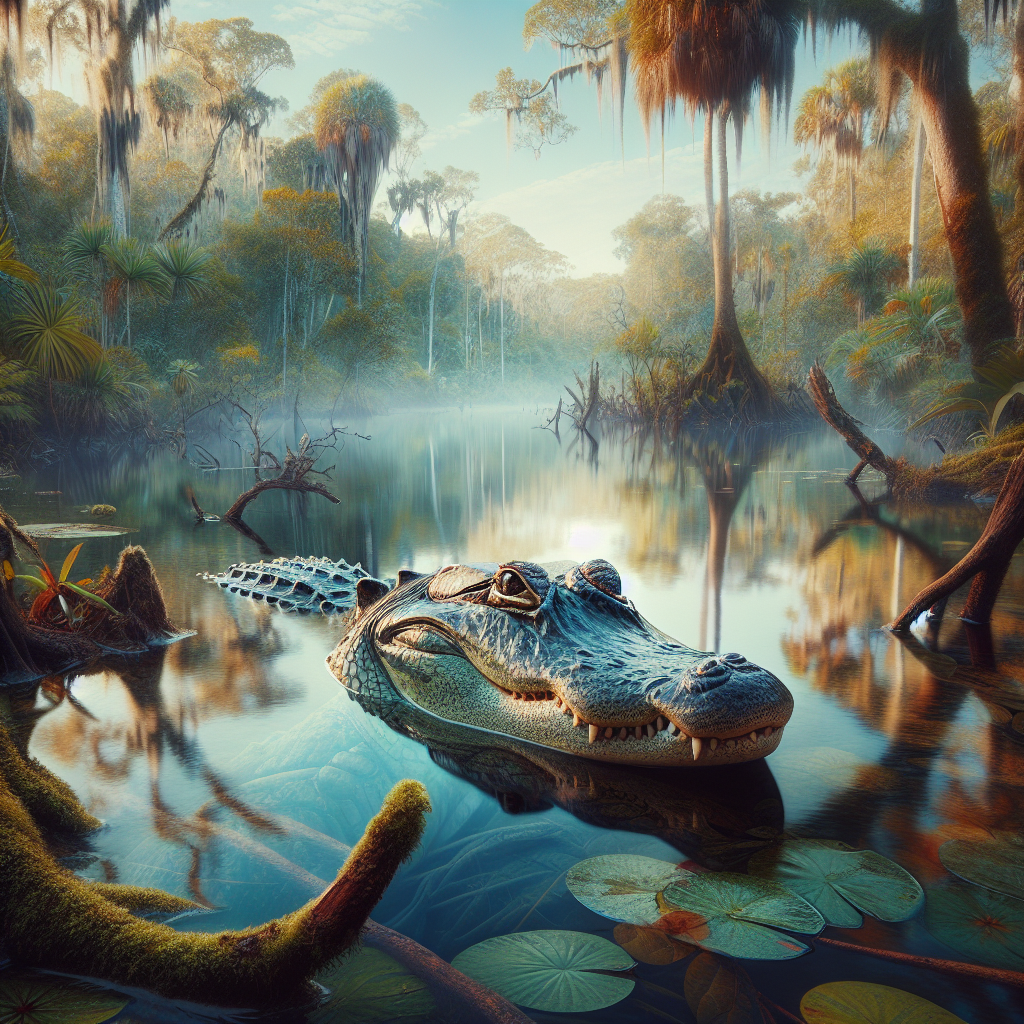

Imagine rivers teeming with wildlife, where nature's raw beauty can silence even the most skeptical environmentalist. Welcome to the Alligator Rivers in Australia, where the rivers and wetlands, named after the crocodile-like reptiles rather than alligators, paint a vivid narrative of untamed wilderness. The Alligator Rivers flow through the Northern Territory and are part of the iconic Kakadu National Park, a UNESCO World Heritage site. Established as a national park in the late 20th century, this region showcases Mother Nature's artwork and hosts a wide variety of wildlife, from saltwater crocodiles, referred to as 'salties', to the numerous bird species that make it a naturalist's paradise.
But let's not kid ourselves; the true story of the Alligator Rivers isn't just about jaw-dropping landscapes. There's a compelling drama that pits environmental interests against economic growth, and boy, does it get the political juices flowing. What's captivating is how this untouched beauty collides with the modern world, a far cry from fairy-tale fantasies idealized by those better suited to city skylines.
First things first, the Alligator Rivers area is home to some of the oldest Indigenous cultures in the world. They have called this place home for over 65,000 years, a testament to human adaptation and survival. Amid this ancient land comes the ever-controversial topic: mining. Yes, Rangey old tales about the area hosting rich deposits of uranium still persist. Ever heard of the Ranger Uranium Mine? This mining operation has been both a financial boon and a subject of fury among nature purists. Uranium mining as an energy source offers a way to create jobs and increase economic prosperity, so what’s not to like?
If you think about it, uranium mining sparks debates about the balance between economic development and environmental conservation. Those in favor argue resources are meant to be used and that oversight and regulation can prevent environmental damage. Of course, this is where some folks bring up carbon footprints and greenhouse gases, parroting demands for renewable energy without recognizing the immediate economic needs of jobs and industry boosts. The people around here weren't looking to go off-grid; they were looking to get paid.
Next, let's talk conservation politics. The Alligator Rivers have become the darling of environmentalists, who love to use this paradise as a lightning rod for arguments against industrial influence. These nature enthusiasts go haywire at the thought of one blade of grass being disturbed. Still, they manage to miss the point that industries can live side by side with nature. Surprise! They don’t cancel each other out, folks.
Visitor numbers to Kakadu Park prove that people relish seeing natural wonders without thinking about their phones. And don't confuse conservation for leaving every stone unturned. Responsible management of tourism attracts visitors, pumps money into local businesses, and yes, provides jobs. The park thrives because it isn't just a conservation zone; it's a vibrant, functioning location.
The rivers themselves, the Wildman, East, West, and South Alligator Rivers, weave through this storyline like a silver thread on a tapestry. These rivers are the lifeline for diverse ecosystems, water-dependent flora, and fauna. Watercourses like these are nature’s A-game, attracting researchers combined with regular tourists who want to 'ooh' and 'aah' at cockatoos and kingfishers.
Geomorphological features stand as a legacy of ancient sea level changes and erosion processes that bore through the region. Plus, let's not forget the wetlands. Miles and miles of marshy goodness perfectly suited to support migratory water birds. Nature enthusiasts winner!
Now, here's a thought some might find hard to swallow: The existence of Alligator Rivers gives environmentalists a platform to raise awareness about conservation. Still, ironically, it's the debate with politicians and industries that keeps these areas under high scrutiny, demanding the utmost care. Industrials and conservationists may seem at odds, but no one said they can't sit at the same table and discuss what's best for the land and the people.
And when it comes to crocodiles, these hulking creatures exist in a delicate balance with human activities. The salties can roam freely here, largely undisturbed except for occasional scientific monitoring. Still, within the bounds of Kakadu, they've become less a fearsome predator to hunt and more a natural wonder worth protecting.
The Alligator Rivers have become a battleground of ideologies. Some argue that leaving nature untouched is akin to ignoring immense opportunities. After all, protecting Kakadu doesn't just mean padlocking it from progress. Sustainable development, though it might sound like an oxymoron, is possible, especially when conservation and economic growth are balanced smartly.
At the end of the day, one cannot ignore that the Alligator Rivers are more than just a natural phenomenon. They reflect Australia's complex dance between conserving heritage and embracing modernity. Politics, nature, history, and economics blur the lines of this saga. If you've never ventured to this part of the world, the ever-present disputes over land use and preservation will surely make the trip a thought-provoking one.