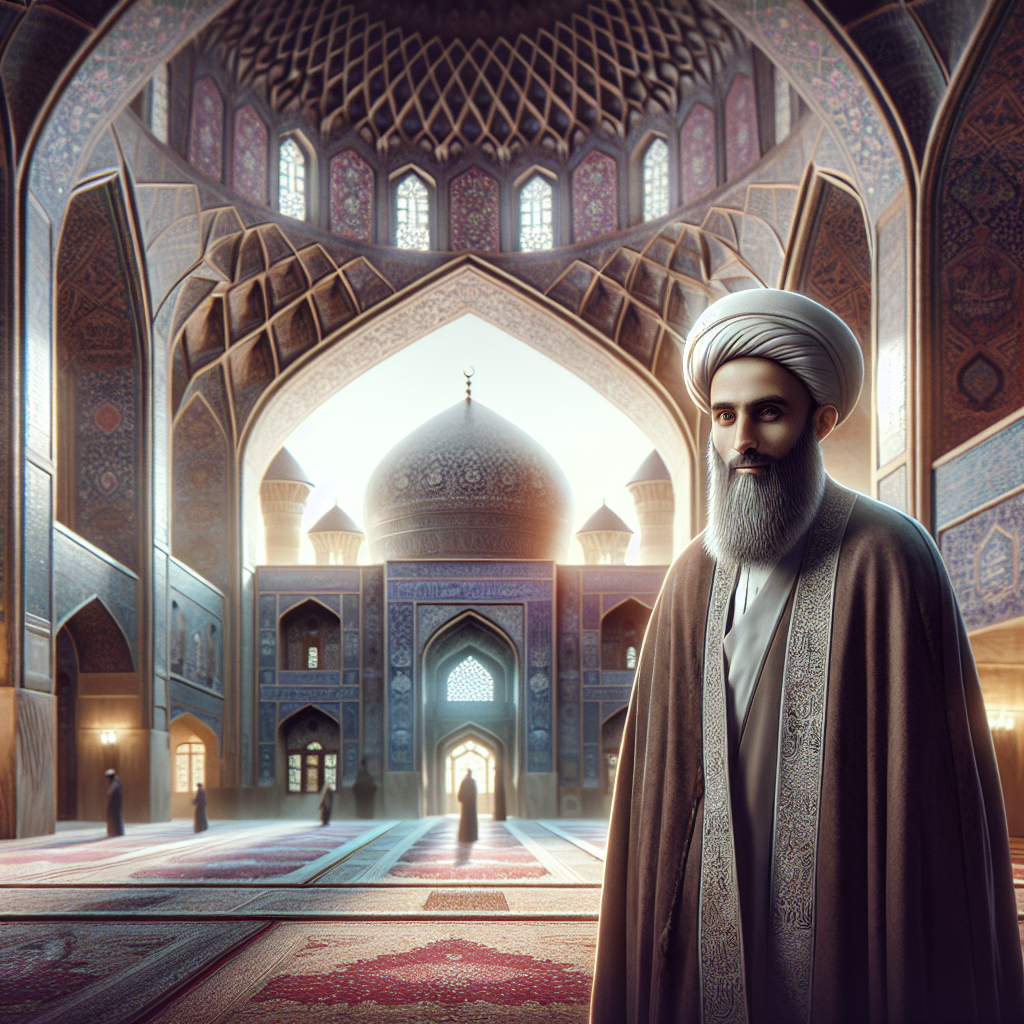

When critics of religious authority meet their match in the roaring influence of Ali Qazi Askar, it’s impossible not to take notice. Ali Qazi Askar is a name that delivers a jolt through the political landscape and even gives pause to those sipping their lattes in trendy coffee shops. Born in 1951 in the historical city of Isfahan, Iran, Javad Qazi Askar, later known as Ali Qazi Askar, would become an influential Shia cleric, lecturer, and political figure. Since the 1979 Iranian Revolution, his voice has echoed through the halls of power, demonstrating the dynamic force a spirited ideologue can inject into national and religious discourse. But what provokes even more interest is how his life statement plays into national sovereignty and faith in a manner that rubs some the wrong way.
Think of him as a force that draws attention whether you love or loathe his convictions. Ali Qazi Askar played a significant role in the promotion of Iran’s religious ideology. His impact is particularly notable in his service as the representative of the Supreme Leader, Ayatollah Ali Khamenei, for Hajj and pilgrimage affairs. Throughout this tenure, Askar ensured that the religious pilgrimage aligns strictly with the Islamic teachings that Iran prides itself on. Some of his critics might grumble that this is an unnecessary blend of religion and state, but his supporters see it as a bastion defending moral purity and unity.
Let's face it: Askar's traditional leanings may not be everyone’s cup of tea. He’s a proponent of societal values that a segment of the population feels should echo through the generations. For the easily offended, his unwavering stance on issues like cultural and religious heritage appears shockingly grounded. Yet, the man doesn't waver. He perceives such heritage not as relics but as the very threads that stitch a nation's tapestry.
Beyond leadership, Askar's calling as an educator springs from a profound belief that comprehensive knowledge is paramount. He headed the seminary in Qom, where he diligently invested his time and efforts. It isn't merely about religious indoctrination, as detractors might have you believe. It's about providing a bedrock of historical context and ethical guidance that programs moral compasses for future generations.
Having weathered more political storms than a veteran sailor on choppy seas, Ali Qazi Askar only seems to have sharpened his resolve. Protecting what he believes sacred, this cleric plays a substantial role in maintaining Iran’s cultural identity. If that incites a little fear among modernists who prefer living in a borderless world, so be it. To call him merely a traditionalist is to overlook the measures and actions he takes on a global stage. His conversations drift effortlessly into international affairs, especially when it involves Iranian pilgrims abroad.
When Metaphors tend to become realities in geopolitical dialogues, Ali Qazi Askar isn't shy to defend Iran's national spirit fiercely. Empowered by an intricate understanding of regional and international politics, Askar eloquently addresses Western misunderstanding and misrepresentation. Rather than retreating into the comfortable ambiguity of political correctness, he propels ideas that are concrete, no matter how much they beat against the current of liberal thought.
Yet, he’s not merely a mouthpiece championing idealism. The concrete actions under Askar's administration demonstrate his commitment to operationalizing those ideals. Even a global pandemic necessitated no less herculean adjustments to the sacred rites of pilgrims - a dance of logistics, diplomacy, and faith. It’s been carefully articulated as a seamless union of spiritual duty and worldly pragmatism.
Ali Qazi Askar embodies a mix of cultural and religious fortitude rarely witnessed in today’s kaleidoscope of diluted narratives. His presence symbolizes an unwavering commitment to maintain and celebrate cultural roots. He’s a man capturing the gaze of those who dare reconsider what unapologetic steadfastness can yield in an age of fleeting identities and shifting ideals.
The legacy Ali Qazi Askar continues to craft is reflective of an era that refuses to be forgotten. It’s a courageous push against a tide intended to erase conservative fortresses. Some admire him, some argue against him, but none can deny the mark he leaves on the world stage. The story of Ali Qazi Askar is not a chapter destined to remain footnoted, but one that insists on being highlighted for those willing to understand its power and purpose.