
What Makes Würzburg-Schenkenturm Airfield a Fascinating Aviation Spot?
Imagine a quaint airfield nestled in the picturesque landscapes of Germany, serving as a crucial hub for general aviation enthusiasts and providing a historical touchstone for aviation fans. Würzburg-Schenkenturm Airfield, also known by its ICAO code EDGW, is precisely such a place, located just a few kilometers north of the charming city of Würzburg. Operating since 1957, this airfield is a testament to human ingenuity and the spirit of flight. But what makes it stand out in the modern aviation landscape?
A Glimpse into History
To truly appreciate the Würzburg-Schenkenturm Airfield, we need to take a step back into the rich tapestry of its past. This airfield came into existence as post-war Europe was rebuilding itself, with the need for efficient and localized transport networks becoming increasingly evident. Würzburg-Schenkenturm was developed for general aviation—an often overlooked aspect of air travel that deals with all flights that aren't conducted by military or scheduled airline carriers, encompassing everything from private flights to chartered services.
The airfield's strategic location, near the heart of Germany, offered an opportunity to connect communities, facilitate business travel, and even promote recreational flying, which was gaining popularity during this time.
Anatomy of the Airfield
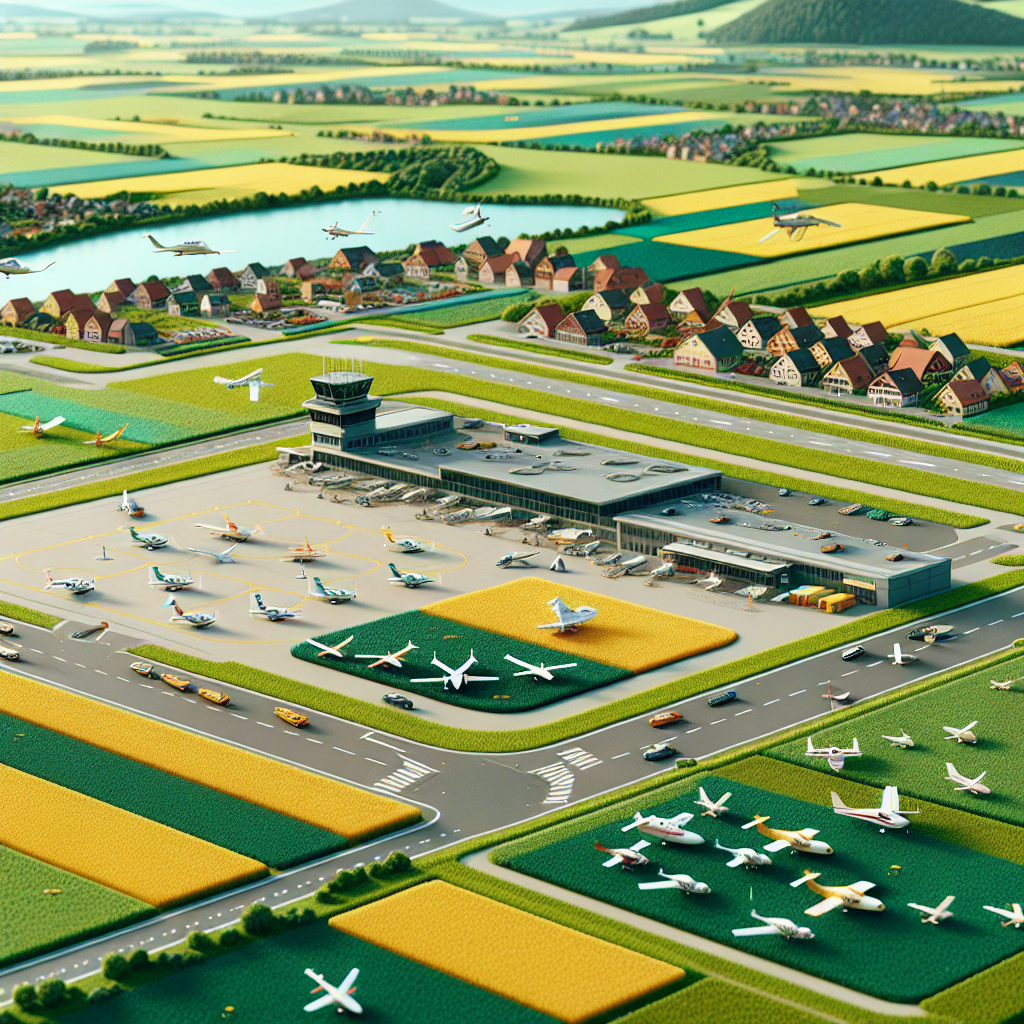
Würzburg-Schenkenturm Airfield boasts a single asphalt runway, measuring about 1,200 meters in length. This runway is well-equipped to handle a range of small aircraft, making it an ideal location for pilot training schools and aviation hobbyists. The surrounding infrastructure, while modest, is effective; it's complete with hangars, a control tower, and even a small terminal building.
The airfield operates under Visual Flight Rules (VFR), meaning pilots must be able to navigate using visual references on the ground, thereby adding a layer of complexity and skill to flying in and out of Würzburg-Schenkenturm. For those interested in aviation, flying under VFR offers a unique challenge and an exhilarating experience that isn't replicated in the more controlled environments of major airports.
Social and Economic Impact
While it might seem like just a dot on the map, Würzburg-Schenkenturm Airfield plays an important role in the surrounding community. It supports local businesses by offering a base for aviation-related enterprises, including charter services, aircraft maintenance, and flight schools. In addition, it serves as a venue for air shows and events that draw crowds, providing educational and entertainment opportunities for people of all ages.
The airfield also acts as a catalyst for local tourism. The nearby city of Würzburg—known for its historic architecture, vineyards, and the renowned Würzburg Residence—benefits from the influx of tourists who arrive via the airfield. General aviation thus complements the larger commercial aviation network by addressing the unique travel needs of individuals and smaller groups, who might be drawn to the specific attractions in the region.
A Bright Future
Despite the challenges that general aviation faces—ranging from economic pressures to the environmental impact of air travel—Würzburg-Schenkenturm Airfield continues to thrive. In recent years, there has been increased interest in sustainable aviation technology, including electric aircraft, which are increasingly being tested at smaller airfields like Würzburg-Schenkenturm. This facility offers an excellent proving ground for new and innovative technologies that could revolutionize the way we think about flight.
Excitingly, the airfield has collaborated with aviation startups and educational institutions to nurture the next generation of aviation professionals. Such initiatives not only ensure the sustainability of airfields like Würzburg-Schenkenturm but also inspire young minds to engage with aviation and bring fresh ideas to the table.
From Past to Present, and Into the Future
In the grand narrative of aviation history, Würzburg-Schenkenturm Airfield stands out as a living testament to human creativity and perseverance. It has faithfully served its community since its inception, providing not only a gateway to the skies but also a cultural landmark that radiates the optimism and excitement of flight.
As we look to the next chapter in aviation, airfields like Würzburg-Schenkenturm will indeed play a pivotal role. They remind us that every flight starts with a dream and that every takeoff is a leap towards the endless possibilities that await us in the sky.