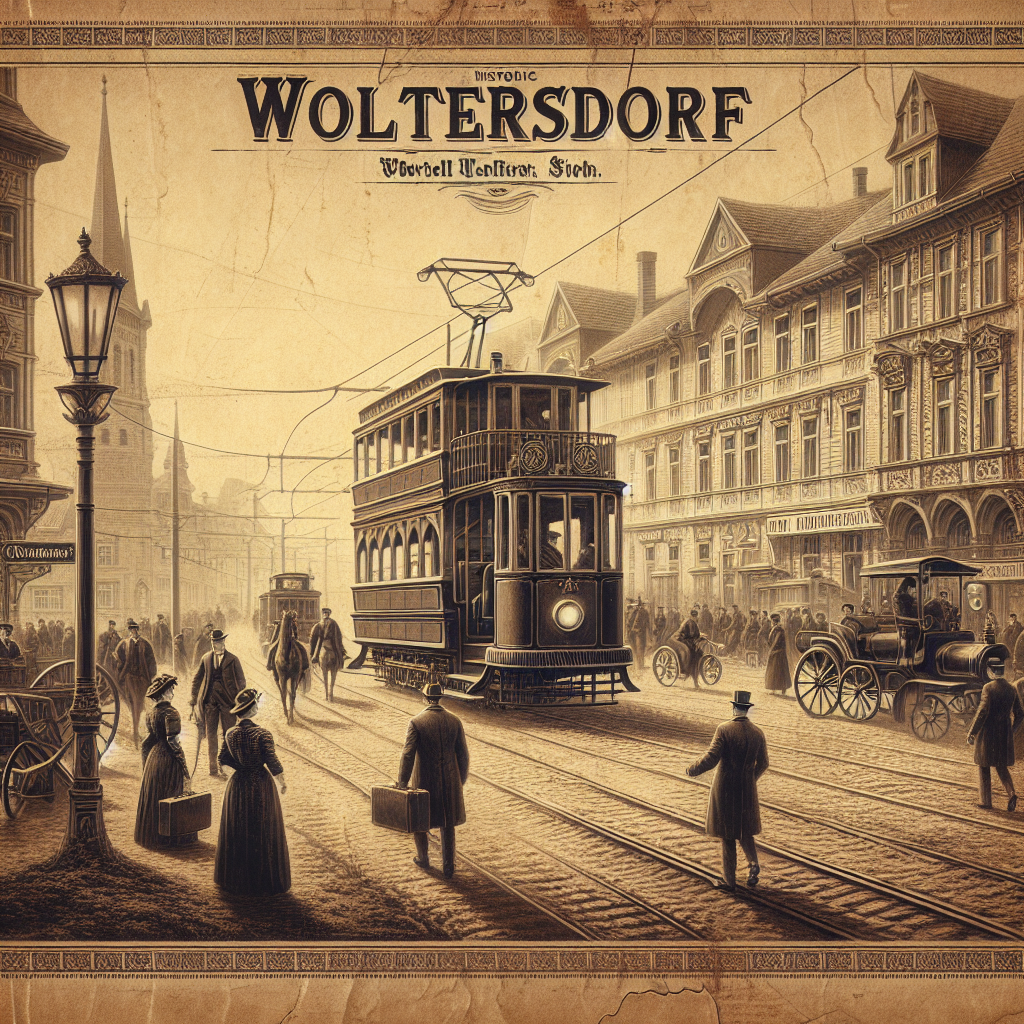

Imagine a ride back in time, where every jostle and clatter of the tracks whispers stories of the past—welcome aboard the Woltersdorf Tramway!
Nestled in the quaint stretch between Berlin and Erkner, this gem of public transport has been faithfully traversing the 5.6 kilometers between Woltersdorf and Rahnsdorf since its inception in 1913. Born in an era of steam and steel, the Woltersdorf Tramway is more than just a method of travel; it’s a vibrant piece of living history that encapsulates the spirit of human innovation and community connectivity.
A Historical Snapshot
To truly appreciate the Woltersdorf Tramway is to step back and admire a century's worth of technological optimism. Originally opened as a horse-drawn tramway, it quickly adopted electric traction, which was a cutting-edge pursuit at the time, making Woltersdorf an early adopter in the global trend towards electrification. During the tumultuous decades that followed, world wars and division cut across Germany, yet the tram chugged on, binding the shifting sands of history together through its steadfast service.
An Engineering Marvel
For the scientifically inclined, the Woltersdorf Tramway is a marvel worth exploring. The tramcars, many of which hail from the 1950s and 60s, are examples of robust post-war design. Engineered for durability, these steel-bodied trams with wooden seats echo a time before the plastic and digital revolutions, offering a tactile connection to an analog world. Each car operates on a 600 V strøm system, powering the tram with a gentle hum through landscapes rapidly transitioning between nature and urban development.
A Scenic Journey
Our journey kicks off at Berlin’s Rahnsdorf, a charming sector of the city's green belt. Upon boarding, you are met with expansive windows revealing lush forests, tranquil lakes, and the occasional deer. This five-kilometer route offers a serene contrast to the bustling heart of Berlin, making it a cherished getaway for locals and tourists alike. Remarkably, the ride feels more like a casual drive than a time-pressured transit, forcing your mind into a slower gait that encourages appreciation of the natural beauty around you.
Why It Matters Today
The Woltersdorf Tramway isn’t just a nod to the past; it plays a pivotal role in today’s discourse on sustainable living and urban development. Its existence demonstrates the viability of low-impact public transportation and serves as a vital link for the community, offering efficient, eco-friendly transport that integrates well with modern networks without losing its historical essence. As cities expand and the quest for sustainable developments continues, this little tramway is a powerful argument for looking into our past for solutions built upon sustainable models.
Engaging the Community
The tramway isn’t just a passive object of nostalgia; it’s a hub for community activities, events, and educational programs. Each year, festivals and events dedicated to history and art breathe life into this route. These initiatives aim to foster a sense of community and honor the legacy of the tramway, ensuring it’s a beloved icon for generations. During your ride, you might even catch a guided tour, where knowledgeable locals narrate tales that blend myth, history, and local anecdotes, rendering each trip a new experience.
Visiting Tips and Essential Information
For those planning a journey, remember that the tramway operates daily with regular accessibility. Tickets can be purchased onboard, and the schedule is conveniently aligned with connecting trains at Berlin-Rahnsdorf. To ensure a truly immersive experience, try visiting during the slower weekday midday hours when you might find yourself among only a handful of passengers, allowing a clear view of scenic vistas and letting the nostalgic ambience wash over you. And here’s an insider’s tip: be sure to carry a camera—the blend of natural landscapes and historic trams is worth capturing!
Looking Forward
True to humanity’s optimistic spirit, the Woltersdorf Tramway reminds us that progress doesn’t always mean faster. Sometimes, the beauty of advancement is in preserving those magical things from our history that connect communities, inspire sustainability, and drive curiosity. As we look forward to the next hundred years, let's hope that treasures like the Woltersdorf Tramway continue to sing stories of innovation, resilience, and simplicity. All aboard to join an enduring journey in celebrating the past while cruising forward into the future!