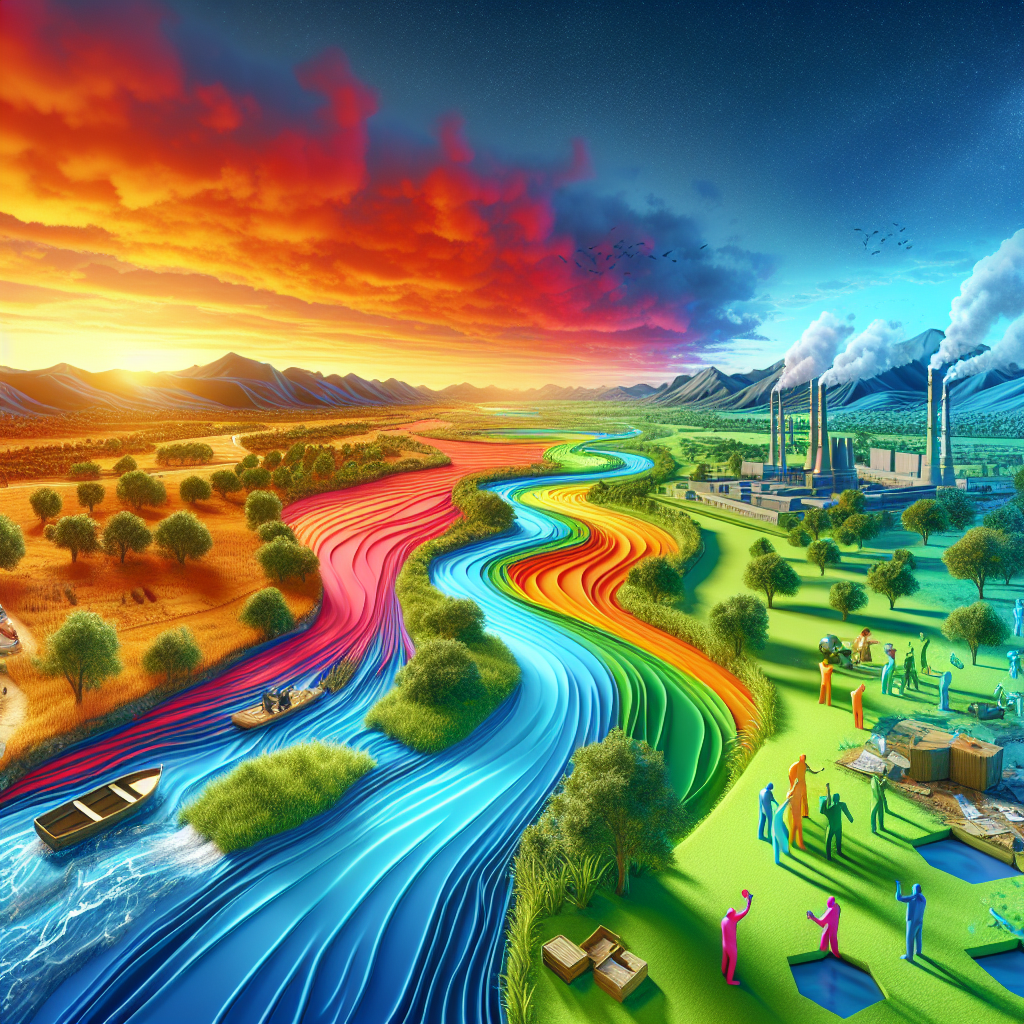

The Wilge River: A Journey Through South Africa's Serene Waterway
When you think of a river journey that combines natural beauty with scientific intrigue, the Wilge River in South Africa might become your latest fascination. Nestled in the heart of the Free State province, the Wilge River flows through the majestic landscapes of central South Africa, offering a vibrant snapshot of biodiversity and ecological significance. A tributary of the Vaal River, its waters have influenced human settlement and environmental research alike, dating back to when indigenous communities first settled along its banks.
The Wilge River, interestingly enough, manages to maintain a certain air of mystery despite its geographical majesty. Flowing over a distance of approximately 400 kilometers, this river boasts numerous ecological gems that appeal to both scientists and adventurers. Its origins can be traced to the eastern highlands of the Free State, making its journey towards the northwestern convergence with the Vaal River an engaging story of topographical wonder and hydrological significance.
A Natural Oasis
Imagine standing alongside a river whose banks are lined with willow trees swaying gently in the breeze (Ironically, the name 'Wilge' is derived from 'willow' in Afrikaans). The Wilge River, while not the longest, excels in biodiversity, offering homes to countless species of birds, fish, and other wildlife. This vibrant ecosystem supports several endangered and endemic species, making it a focus for conservationists wanting to protect South Africa’s natural heritage.
It is during the rainy season, typically between October and March, that the Wilge River reveals its true might. The increased water flow during these months rejuvenates the ecosystem, creating an abundant habitat for bird species like the rare African Fish Eagle, which is frequently spotted soaring magnificently above the river.
Historical and Cultural Relevance
Beyond its ecological significance, the Wilge River is steeped in history. Indigenous groups, such as the Basotho and Zulu, have a rich history and connection with the river, utilizing it for drinking water and as a hunting and farming staple. The river has been a silent witness to the settlement of these communities, their cultural practices, and interactions over the ages.
During the 19th century, European settlers arrived, drawn by the promise of fertile land and abundant water supply. The river thus became a key resource, both agriculturally and strategically. Additionally, it served as a guide for early explorers and traders navigating the often-treacherous African landscape.
Geographical and Hydrological Marvel
From a scientific perspective, the Wilge River presents a unique hydrological story. Originating from the Drakensberg Mountains, its journey showcases an impressive array of geological formations and varied topography. The river’s flow regime, marked by turbulent and placid stretches, meets diverse geological substrates, offering quite a spectacle and a study of sediments and erosion patterns.
Researchers and geologists find the Wilge River’s catchment area particularly fascinating. By studying the river and its surroundings, scientists gain insights into climate change's impact on watercourses and broader environmental patterns. Current analyses explore how rainfall variability and rural development impact the river’s health and sustainability.
Adventure Awaits
The Wilge River is more than just a flow of water; it’s an adventurer’s dream. Outdoor enthusiasts will find plenty to explore, including fly fishing, canoeing, and hiking trails along the riverbank. The opportunities for ecotourism along the Wilge River are diverse, drawing visitors interested in experiencing nature in its purest form.
The river meanders through some breathtaking scenery, with panoramic views of the Free State's rolling hills and open skies providing the perfect backdrop for a day spent in the great outdoors.
Challenges and Conservation Efforts
However, like many rivers worldwide, the Wilge faces several environmental challenges. Pollution from agriculture, invasive species, and climate change threaten its delicate ecosystem. Fortunately, conservation efforts are underway to preserve this natural marvel.
Organizations working alongside local communities aim to restore habitats and improve water quality. Education and awareness campaigns play a significant role in these efforts, emphasizing sustainable practices to ensure the Wilge River continues to thrive.
Looking Forward
In conclusion, the Wilge River represents much more than a geographical feature; it's a testament to the interconnectedness of nature, history, and human endeavor. With ongoing conservation efforts and a growing appreciation for South Africa's natural resources, the river’s future looks encouragingly bright.
Exploring the Wilge River offers a unique opportunity to engage with nature's marvels while appreciating our collective responsibility in preserving it for future generations. What better invitation to immerse oneself in the flowing history and vibrant life of South Africa's Wilge River?