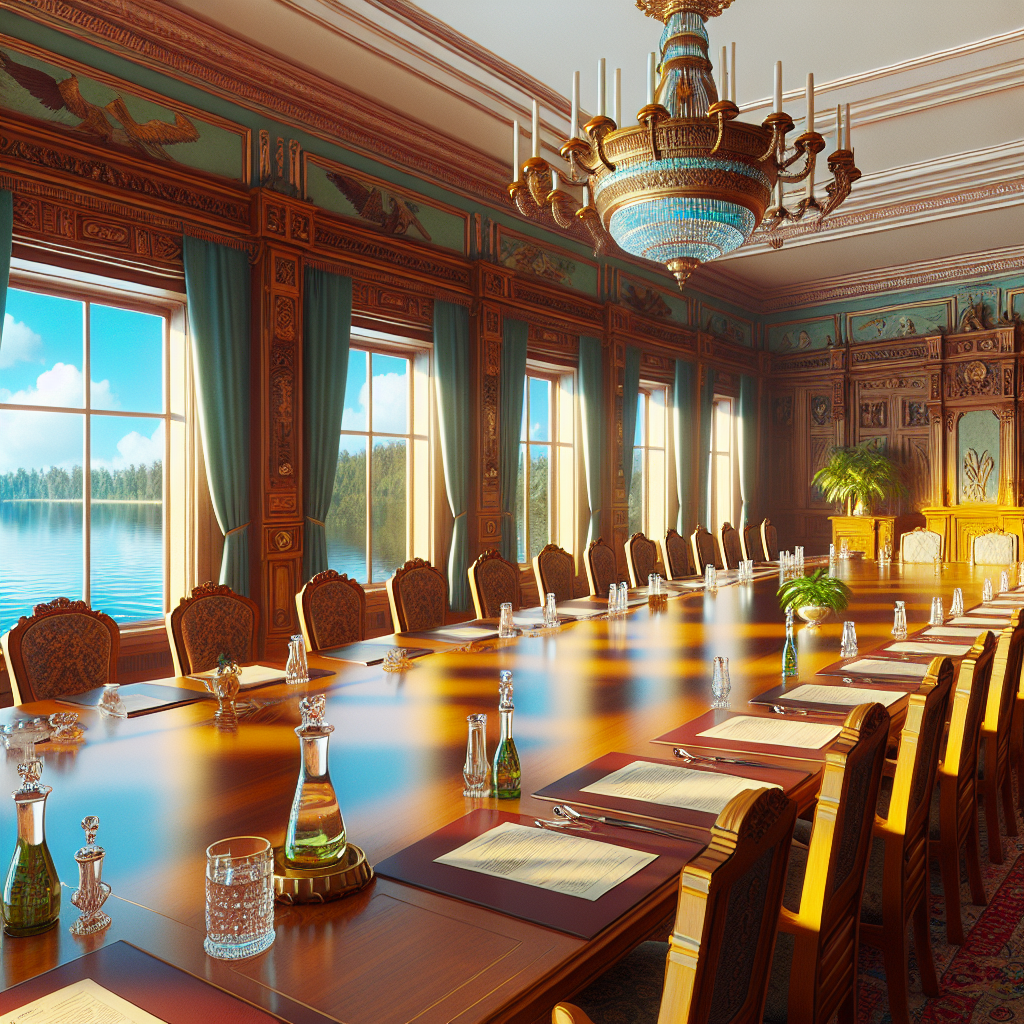

Who Would Have Thought a Lake Could Be So Much More?
Imagine a place where serene waters meet bustling historical tales, all nestled within the intriguing landscape of Berlin. This delightful paradox exists in none other than Wannsee, a picturesque area that is part of the southwestern suburbs of Berlin, Germany. Around since the late 19th century, Wannsee is a fascinating blend of natural beauty and history that has played host to both gleaming celebrations and somber historical events. Situated about 10 miles from Berlin's city center, Wannsee offers not only breathtaking waterfront views but also a rich narrative of the past's whispers, reaching back to pivotal moments in world history.
A Scientific Look at Wannsee's Splendor
From a scientific perspective, Wannsee exemplifies the captivating interplay between human development and natural ecosystems. The area is primarily dominated by two lakes, the Großer Wannsee and Kleiner Wannsee, which form part of the Havel river system. These lakes are glacial remnants from the Ice Age, making them scientific time capsules teeming with ecological diversity. Their pristine waters are home to a remarkable variety of fish and plant life, creating a delicate ecosystem that scientists and nature enthusiasts alike find endlessly intriguing. The lakes also function as important natural reservoirs, contributing to the regulation of Berlin’s climate and water cycle.
The Optimism in Wannsee’s Recreational Paradise
For those seeking leisure and recreation, Wannsee offers a rejuvenating escape. Its sandy beaches, particularly the Strandbad Wannsee, are popular summer retreats for locals and tourists who flock here to enjoy the sun's warmth and the soothing sound of lapping waves. The beach's long-standing tradition, dating back to 1907, is a testament to the area's enduring attraction. Optimistically speaking, Wannsee showcases how natural spaces can enrich our lives, providing urban dwellers with a much-needed breath of fresh air and opportunities to reconnect with nature.
Historical Echoes: The Wannsee Conference
Nevertheless, Wannsee isn't solely a haven of natural beauty. It also carries the weight of history, most notably marked by the Wannsee Conference in 1942. During this dark chapter, Nazi officials convened at a villa along the lake's shores to finalize plans for implementing the "Final Solution"—the mass extermination of Jews. The villa is now a museum and educational site dedicated to Holocaust remembrance, serving as a poignant reminder of history's lessons and the steadfast human spirit in overcoming adversity.
Cultural and Scientific Engagement
Beyond its recreational and historical dimensions, Wannsee also harbors a rich cultural landscape. The Liebermann-Villa, another villa tucked along the idyllic shores, celebrates the works of Max Liebermann, a celebrated Impressionist artist. Visitors can find inspiration in the art that reflects Germany's cultural evolution and engage with the scientific methodologies hidden in Liebermann’s brushstrokes. This villa, along with other historic landmarks, fosters an optimistic view of how knowledge and cultural heritage can coexist and enrich a community.
Wannsee in the Modern Era: A Beacon for Learning and Sustainability
Today, Wannsee continues to be an emblem of sustainability efforts as Berlin emphasizes green spaces within its urban planning. Local authorities are actively working to balance tourism with conservation, ensuring that Wannsee's natural beauty is preserved for future generations. Efforts include monitoring water quality and protecting the local flora and fauna—a testament to the potential of harmonizing human activity with environmental stewardship.
Conclusion
In summary, Wannsee is much more than a landmark on the map. Whether you’re interested in exploring the serene beauty of its lakes, understanding the complexities of its history, or soaking in the culture and art, Wannsee stands as a testament to the resilience and richness of human endeavors. It reminds us that places we visit can be more than mere destinations; they are layers of stories and ecosystems waiting to be explored, respected, and appreciated. Wannsee's charm lies in its ability to weave these multiple narratives into a tapestry inviting all who visit to learn, reflect, and reconnect with both nature and history.