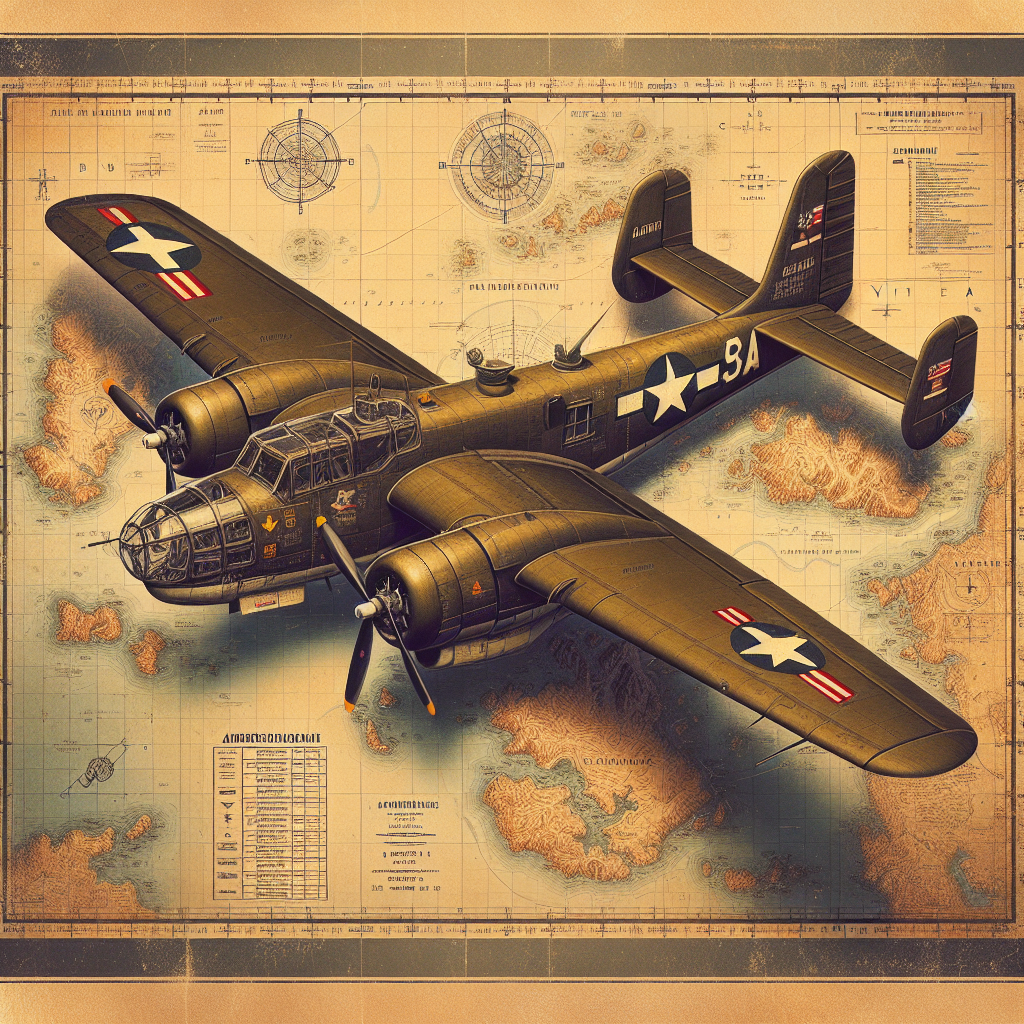

The Lively Workhorse of WWII Aviation Training
Imagine being a rookie pilot during the 1940s, strapping into a metallic bird designed to test your limits in the sky! Meet your trusty chariot, the Vultee BT-13 Valiant. Built by the talented engineers at Vultee Aircraft during the peak of the Second World War, this single-engine aircraft served as the primary trainer for the United States Army Air Corps. It was affectionately dubbed the "Vultee Vibrator" due to its lively vibrations, but more on that later!
Uncovering the Story: Who, What, When, and Where
The BT-13 Valiant, produced from 1939 to 1944, became a bone fide superhero in the transforming world of aviation training. As war efforts intensified, a reliable and versatile training aircraft became the backbone of the US military's performance in the skies. Assembled in Long Beach, California, this advanced trainer earned its wings by preparing thousands of aspiring pilots in the US and abroad, becoming a silent yet pivotal contributor to the war triumphs.
An Engineering Marvel
What makes the Vultee BT-13 Valiant so intriguing isn't just its crucial role in history but its technical prowess. Designed to challenge trainee pilots, the BT-13 bridged the crucial gap between basic and advanced flight training. Its flapping propeller was powered by a Pratt & Whitney R-985 Wasp Junior radial engine, producing a mighty 450 horsepower. The aircraft's maximum speed reached up to 180 miles per hour, which might not seem fast by today’s standards, but was all the speed a rookie pilot needed!
The BT-13 had a wingspan of 42 feet and an overall length of about 28 feet. Weighting about 5,500 pounds when fully loaded, this mighty beast required robust gear, which enabled it to withstand the rigorous landings of novice pilots. Designed with an all-metal structure, it was both tough and forgiving, crucial traits for an aircraft tasked with teaching daring individuals to soar through the clouds.
The Vibrant Vibrator
Why was the BT-13 lovingly called the "Vultee Vibrator"? The aircraft earned this nickname from its tendency to shake— quite lively indeed! Its vibrations, caused by many a factor including engine frequency and airframe design, became a defining characteristic that every trainee grew accustomed to. This aspect of the aircraft was part of its charm, allowing aspirant pilots to develop the finesse required for a smoother ride.
Training the Greats
The BT-13 was instrumental in shaping the careers of numerous legendary pilots. Indeed, every ace had to start somewhere, and for many, the Vultee Valiant was their first dance in the air. It has been estimated that nearly every single American pilot who saw action in World War II trained in either a BT-13 or its close cousin, the BT-15, developing skills that served them well during combat.
A Global Affair
While the United States produced over 11,000 of these aircraft, their role as trainers transcended American borders. Many allied nations utilized the BT-13 to train their own cadets, making it an aircraft known and respected worldwide. This pivotal machine helped lay the foundation for close international ties during a time when coordination was key to success.
Flight into the Present
Although the Vultee BT-13 Valiant has long retired from the rigors of military service, its legacy endures. Over the years, many of these aircraft found new leases on life in civilian roles, from barnstorming to flying vintage displays. It’s a testament to their durability and iconic design that they continue to fly even today, preserved and cherished by aviation enthusiasts the world over.
A Beacon of Optimism
The legacy of the BT-13 is a jubilant tale of humanity's unyielding thirst to conquer the sky and expand our understanding of what lies beyond. What began as a critical necessity in wartime has turned into a celebrated chapter in aeronautical history. These venerable trainers symbolize hope, perseverance, and the human capacity to adapt and innovate.
Conclusion: Flying with History
The Vultee BT-13 Valiant may have been a child of necessity born during the turbulent era of war, but it is remembered with gratitude and admiration. Its story ignites our curiosity and inspires love for the fascinating world of aviation. A symbol of human ingenuity, it deserves its place in the annals of our shared history in challenging and triumphant times.