
What is Vanderbilt Reef?
Who knew a piece of submerged rock could hold such an engaging story? Vanderbilt Reef is a submerged maritime feature located in Lynn Canal, Alaska - a location teeming with natural beauty and historical intrigue. This reef is infamous for its role in the tragic sinking of the SS Princess Sophia in 1918, marking it as one of the worst maritime disasters in Canadian history. But why does this reef still capture human curiosity? Its silent presence under cold Alaskan waters serves as a reminder of nature's enduring and sometimes perilous majesty.
Geographic Context and Formation
Vanderbilt Reef is part of the stunning Lynn Canal, a deep fjord that stretches for over 90 miles through southeastern Alaska. Formed by the slow grind of glaciers over countless millennia, the reef is a submerged outcrop of rocky earth lurking just beneath the water's surface. Visible only during low tide, it can be a navigational hazard for ships traversing these waters.
Lynn Canal itself is one of the deepest and longest fjords in North America. For perspective, fjords are long, narrow inlets with steep cliffs, created by glaciers. This dramatic landscape not only provides captivating views but also holds a wealth of biological diversity, from bald eagles soaring above to marine life below the waves.
A Historical Sentinel
On October 24, 1918, the SS Princess Sophia struck Vanderbilt Reef in the midst of a blizzard. Tragically, all 364 passengers and crew perished when the ship succumbed to the harsh Alaskan elements. This singular event etches Vanderbilt Reef into historical significance, portraying it as a cautionary tale of human ambition and natural force.
The Princess Sophia was a part of the Canadian Pacific Railway’s ‘Princess Fleet,’ which served as critical transportation linking Canadian coastal towns. The disaster not only brought immense personal loss but also highlighted the challenges of navigating these rugged waters and the limitations of early 20th-century maritime technology.
Navigating the Hazards
Understanding the risks posed by features like Vanderbilt Reef is crucial for those working or living in maritime regions. Modern technology provides advanced tools for navigation, such as GPS and sonar, which were unavailable a century ago. These technologies mark potential hazards on maritime charts and help prevent incidents similar to the Princess Sophia disaster.
Despite this, the importance of traditional seafaring skills and local knowledge should not be underestimated. Experienced seafarers often possess an intimate awareness of the local landscapes, weather patterns, and water behaviour that technology is still catching up with.
Environmental Significance
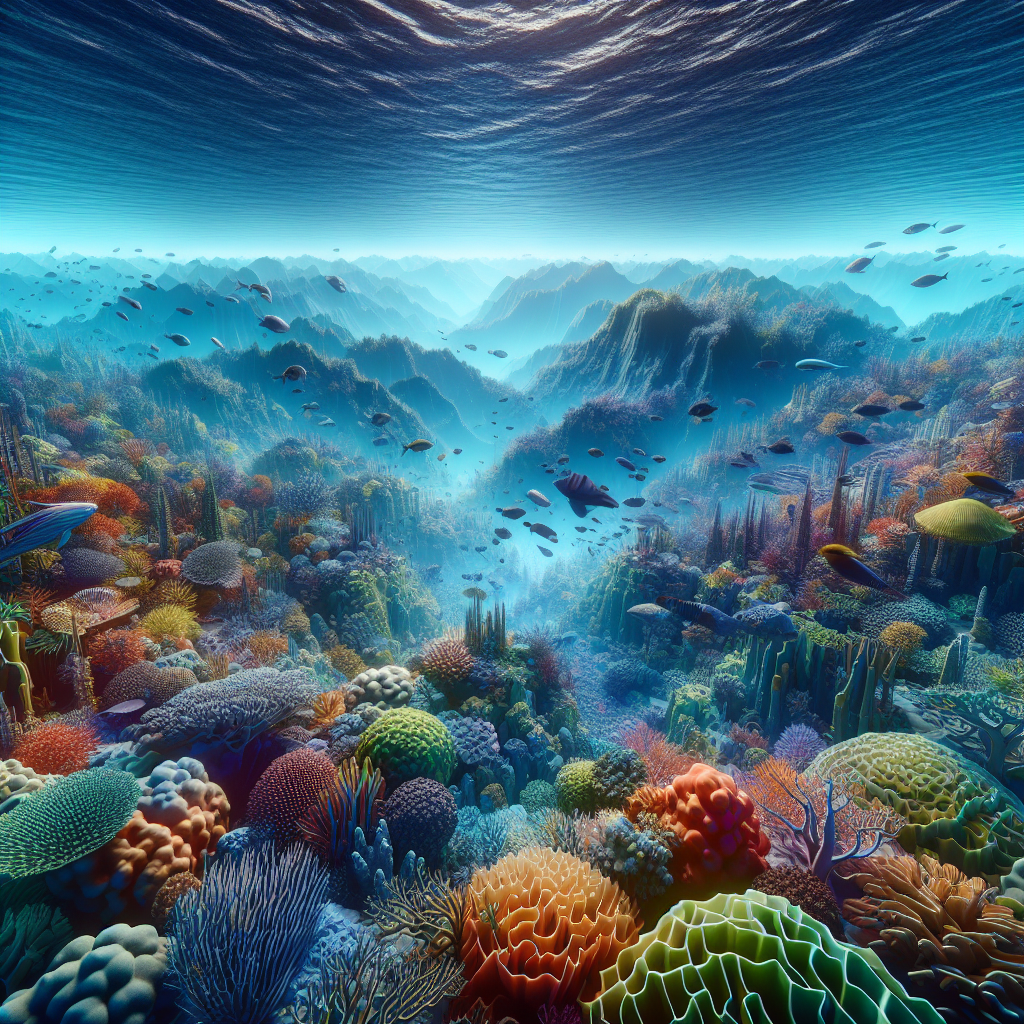
Vanderbilt Reef, and the surrounding waters of Lynn Canal, play a crucial role in the local ecosystem. The underwater topography creates habitats for diverse marine species, contributing to the area's status as a marine conservation treasure trove.
The water column above reefs like Vanderbilt serves as feeding grounds for nutrient-rich marine life, ranging from tiny plankton to massive humpback whales. Furthermore, the reefs provide protection from predators and are a nursery for many young marine organisms. This delicate ecosystem is a testament to the intricate balance of nature that sustains Earth's biodiversity, underscoring humanity's collective responsibility to safeguard these precious environments.
Exploring Disaster's Aftermath
In the wake of the SS Princess Sophia tragedy, the story of Vanderbilt Reef continues to captivate researchers, historians, and adventurers alike. Expeditions to the site have been undertaken to study the shipwreck and gather data that enriches our understanding of the event.
The disaster site is a protected area, where divers and researchers work under strict guidelines to preserve the site’s historical integrity. Such efforts ensure that the site can function as both a memorial to those who lost their lives and a subject of study to improve maritime safety standards today.
Nature’s Challenge and Human Resilience
Vanderbilt Reef offers a compelling narrative of nature's challenge and human resilience. As we remember the lessons from its history, it serves as a sobering yet inspiring reminder of the ever-present dialogue between humanity and nature.
Despite the inherent risks, people continue to navigate the perils of the ocean, driven by curiosity and a desire to explore the unknown. With the aid of technology and a commitment to learning from the past, humanity is better equipped than ever to honor and protect the intricate systems that surround us.
Encouraging an understanding and respect for features like Vanderbilt Reef enables us to engage more thoughtfully with our natural world—balancing exploration with preservation, curiosity with caution. It's an optimistic reminder that even out of tragedy, humanity can learn, adapt, and thrive.