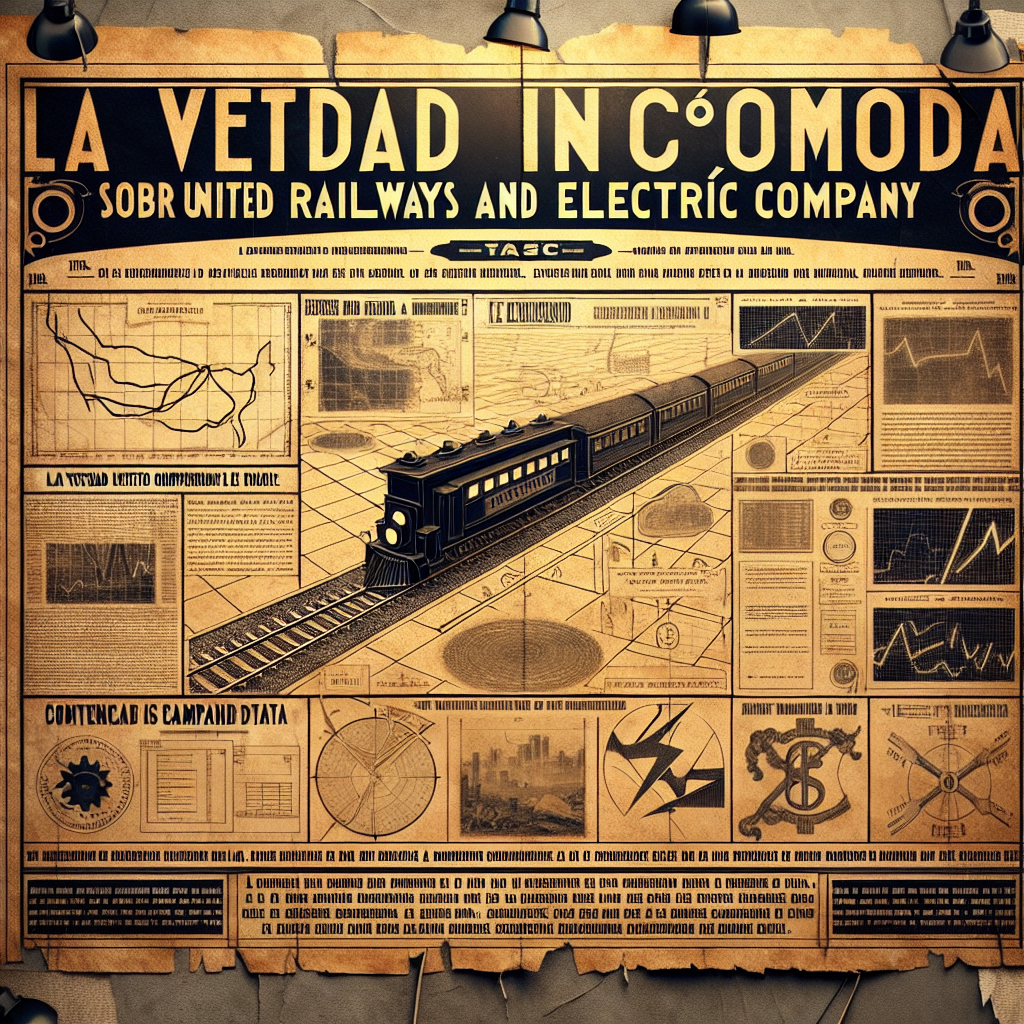

Imagine a world where steam engines rule the land and the clanging of horse-drawn streetcars echoes through bustling city streets. Now, picture the dawning of a new era where electric traction takes center stage, and we've got the United Railways and Electric Company to thank! Established in Baltimore, Maryland at the turn of the 20th century, this company not only revolutionized public transportation but also electrified an entire society.
Lighting the Tracks: The Rise of United Railways and Electric Company
The United Railways and Electric Company, often fondly referred to as UR&E, was established in 1899. This was a time when cities across America were grappling with rapid industrial growth and urbanization, creating an urgent need for efficient public transport solutions. Baltimore, ever a city with its eye on innovation, saw the potential in harnessing electricity to power trains and streetcars.
Before the inception of UR&E, Baltimore's transportation was primarily dominated by horse-drawn carriages and steam-powered locomotives. The incorporation of electric railways was seen as both a technological marvel and a practical necessity. Prominent industrialists and city planners foresaw the future—a city propelled by electric energy—and pursued the formation of a company that would bring this vision to life.
Technological Triumph: How Electricity Transformed Travel
The core mission of UR&E was to electrify the streetcar systems, making daily commutes faster, more reliable, and less polluting. This transformation was a profound leap forward in urban mobility. Instead of the slow, plodding pace of horses or the soot-belching steam trains, citizens could now enjoy clean, efficient transit.
Electric streetcars offered numerous advantages: they could start quickly, navigate tight urban landscapes, and operate more safely than their steam counterparts. Additionally, by eliminating the need for animal labor, electric streetcars significantly reduced street congestion and the associated mess.
A Jolt of Growth: Expanding the Network
Thanks to the electrification led by UR&E, Baltimore's public transportation network expanded rapidly. The company laid vast networks of rails crisscrossing the city, extending the reach of its electric streetcars. Suburbs that were previously seen as remote became easily accessible, fostering both residential prosperity and economic expansion.
UR&E also played a crucial role in developing interurban connections. These were railways linking cities and towns outside Baltimore, promoting regional economic integration and offering rural populations a gateway to new opportunities and markets.
Economic Sparks: Jobs and Development
With the rise of the electric railway system came a plethora of jobs. The construction, maintenance, and operation of the electric lines required a skilled workforce, and the UR&E became a significant employer. Engineers, conductors, drivers, and maintenance crews found steady work as the company expanded.
Moreover, the enhanced transportation network contributed to Baltimore's economic vibrancy. Easy transit made it simpler for people to reach jobs, businesses to ship goods, and residents to explore various parts of the city, all of which fostered a robust commercial environment.
Electrifying Challenges: Overcoming Obstacles
The shift to electric railways was not without its challenges. The technological landscape was still budding, and issues like electrical supply, track maintenance, and safety protocols required continuous innovation and adaptation. Yet, the optimistic spirit of progress that fueled the UR&E's leadership ensured these challenges were met with creative solutions.
Extensive investments were made in infrastructure, from power stations to transformers, to sustain this electric network. Additionally, the education and training of personnel were crucial to maintain safety standards and operational efficiency, marking another area where the UR&E shone brightly.
Legacy of Innovation: Echoes in Today’s Transit
The impact of UR&E on Baltimore and beyond is a testament to human ingenuity and vision. Though the company as it once was no longer exists—eventually absorbed into larger transit conglomerates—the echoes of its pioneering spirit are still felt.
Today, Baltimore's transit system owes much to the groundwork laid by UR&E. The electrification of transport not only redefined city landscapes but set a precedent for future developments in public transit design and technology.
In closing, the United Railways and Electric Company stands as a brilliant example of how technological advancements, when combined with a clear vision and human effort, can overcome challenges and power societies forward. As we look toward the future with technologies like high-speed rail and magnetic levitation trains, we remember and celebrate the revolutionary steps taken in the past by pioneering companies like UR&E.