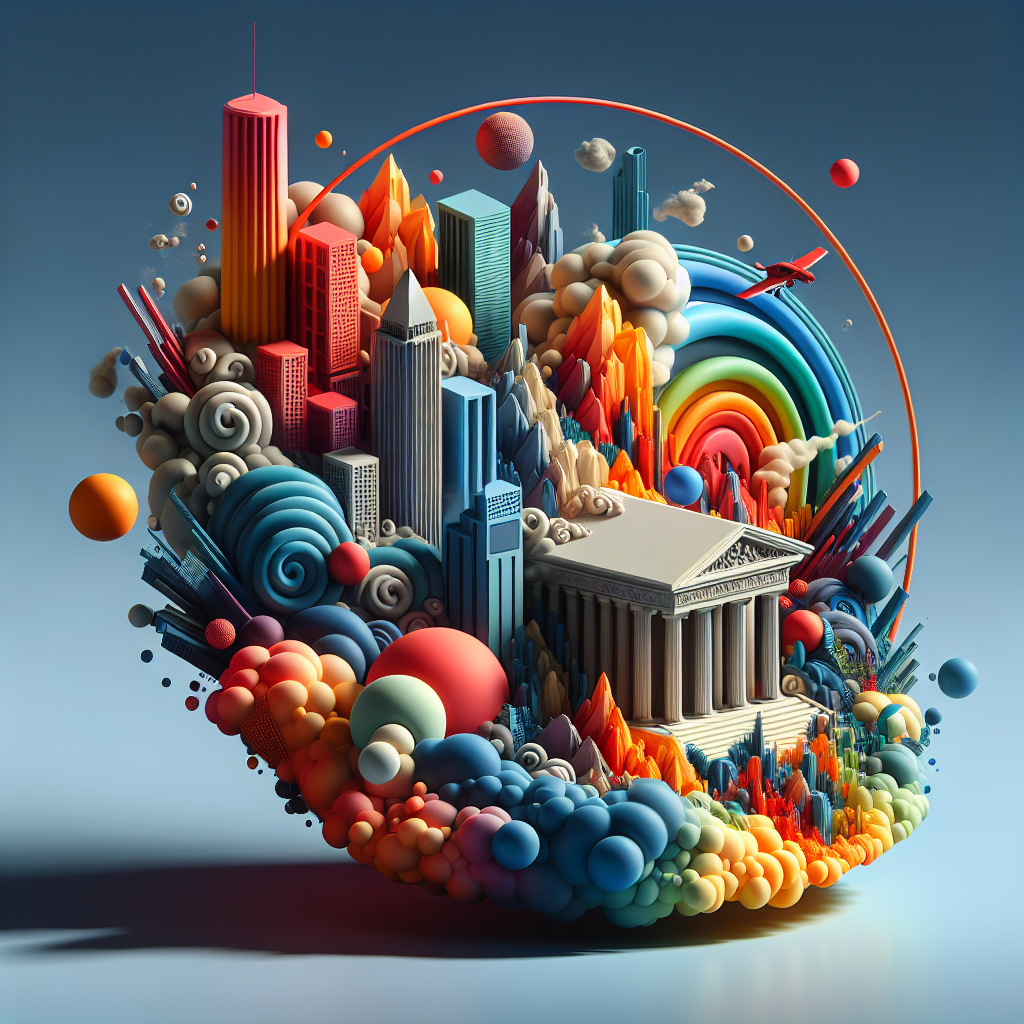

The Academy in Peril: Navigating the Challenges and Opportunities in Education
Does anyone remember the nostalgic squeak of chalk on a blackboard, or the curious smell of books in the library? Science has shown that while these tactile experiences are beloved by many, the global landscape of education is experiencing a seismic shift. It's 2023, and all eyes are on academia — a stage where disruption, innovation, and uncertain futures are playing out. We find ourselves at a pivotal moment when traditional educational institutions, the esteemed Academy, are facing unprecedented challenges and thrilling opportunities caused by rapid digital transformation and societal demands.
An Evolving Landscape
Who is involved? You ask — a colorful tapestry of invested stakeholders: educators, students, policymakers, and tech innovators, striving to adapt and thrive in a globalized educational ecosystem. What exactly is happening? Evolution and transformation. Core educational paradigms are being reimagined and reborn through technology's magic wand. When did this start? Over the past decade, but post-pandemic waves are causing massive ripples. Where is it occurring? Everywhere, from bustling urban universities in developed nations to rural schools in emerging economies. Why now? The confluence of technological progress, increasing accessibility, necessary inclusivity, diverse learning needs, and the fallout from a global pandemic.
The Forces at Play
Despite such challenging predicaments, an optimistic vision endures. One where education amplifies human potential, democratizes opportunity, and levels socio-economic disparities.
Digital Transformation: The digital revolution is not just about nifty gadgets; it's a means to an end — more efficient, personalized, and accessible learning experiences. Online platforms like Coursera and Khan Academy exemplify the power and reach of digital education. They break geographical barriers and democratize knowledge, allowing a student in Nigeria to access the same content as one in the USA. It’s a future where AI can adapt to each learner’s pace, providing robust and interactive experiences that a single human instructor couldn’t possibly match at scale.
Pandemic and Remote Learning: The COVID-19 pandemic transformed remote learning from an option to a necessity, catalyzing rapid and profound changes in the way education is delivered. Institutions had to innovate practically overnight, pivoting from traditional methods to virtual classrooms in an attempt to prevent educational hiatuses. Though initially fraught with teething challenges, this shift highlighted key strategic benefits, reinforcing flexible learning models and igniting the symbiotic relationship between technology and education.
The Challenges: Breathing Life into Stagnation
Equity and Access: The digital divide remains a stark reminder of inequality. Access to quality education should not be a privilege reserved for the few. While urban regions boast high-speed internet and top-notch devices, many rural or underdeveloped areas are not privileged with such amenities. This disparity risks widening the gap between the educated elite and marginalized communities.
Quality of Education: With the booming presence of online platforms, ensuring the quality and credibility of courses has become paramount. The allure of quick fixes and diploma mills threatens to tarnish the dignity and significance of traditional degrees.
Teacher Training and Support: The world demands that teachers also become learners, proficient in the latest tech trends to effectively deliver lessons. This shift requires not only resources but also a substantial investment in teacher training and support.
Opportunities: The Silver Linings
Despite these hurdles, the progressive spirit of education enthusiasts continues to flourish.
Inclusion and Diversity: Technology promises immense potential for inclusive education. Accessible learning platforms cater to a range of learning abilities and styles, accommodating students with disabilities and those from diverse cultural backgrounds. It fosters a global classroom where geographical and cultural boundaries become nonexistent.
Lifelong Learning: The concept of lifelong learning has gained unprecedented momentum. As industries evolve and new skills become necessary, micro-credentialing, online courses, and continuous education programs are equipping individuals to ride the wave of change without being swept away.
Interdisciplinary Learning: Innovation thrives at the intersection of disciplines. Now, more than ever, there is an opportunity for students to engage in cross-disciplinary projects and learning paths that nurture creativity and innovation.
A Call to Action
While the Academy may seem 'in peril', it's not the end. Instead, it's an invitation to reimagine an education system that celebrates differences and fosters a spirit of innovation and humanity. Policymakers, educators, and communities must work collaboratively. More investment in digital infrastructure, committed efforts in teacher training, and policies supporting free and open access to education will pave the way for a brighter, more inclusive future for learners around the globe.
With optimism, we embrace the incoming tides, learn from the past, celebrate the present progressions, and eagerly await the educational spectrum's future.
As Albert Einstein encouraged, "Once you stop learning, you start dying." With open minds and eager hearts, let us continue learning, for the academy is only in peril if we cease to innovate and redefine its boundaries.